

Slow living is a way of life that emphasises ‘less is more’ and aims for greater balance in every area. Sustainable living likewise involves consuming less, using what already exists and returning to nature so that nature can support us. Both are rooted in choosing quality over quantity and giving time and effort to what truly matters. It is therefore easier to bring them into your life together rather than separately. There is no need to rush into changing your whole lifestyle overnight and create unnecessary stress. Start preparing for change with the suggestions we have gathered.

A Slower, More Sustainable Life Is Possible
Embracing a slower, more sustainable way of life can be an enjoyable journey, beginning with small changes to your mindset, habits and behaviour.
Keep a Healthy Distance from Technology
Keep a healthy distance from social media, email, phone notifications and other digital communications. Spend time with family and friends, read or take up other hobbies instead. Taking regular breaks from technology can reduce stress and anxiety, support mental well-being and make more room for meaningful connections and activities.
A good first step is to set clear boundaries around when and how often you use technology.
- Avoid checking email outside working hours and the time immediately around them, and set limits on social media use.
- On weekends and holidays, keep technology use within particular hours of the day.
- Constant notifications can be distracting and overwhelming. Turn them off for non-essential apps.
- Try silencing your phone during meals and other social activities.
- Find enjoyable activities that do not involve technology, such as reading, writing, making art or spending time in nature, and make more time for those you already enjoy.
These steps also support a more sustainable lifestyle. Bringing technology use under control reduces energy consumption and your digital carbon footprint. Remember that every email, every piece of data stored online, every item of content consumed through online services and every film watched is stored on large, energy-intensive servers and delivered using further energy.
Simplify Your Life
Living simply means different things to different people. At its heart, however, it is about reducing the clutter and distractions that take up space in your life and consume valuable time. Bring a minimalist approach to your possessions, daily routines and even your thoughts. Keep only what you truly need or value, and let go of anything that no longer serves a purpose.
Establishing routines for everyday tasks such as cleaning, cooking and exercise can simplify daily life and reduce decision fatigue. Learn to say no to commitments or activities that do not align with your priorities or values. This can reduce stress and free up time for more meaningful pursuits. Avoid taking on unnecessary obligations, and decline those that do not match your priorities. Allow a more comfortable amount of time for daily tasks and activities, and resist the urge to rush through them.
Slow Down Your Schedule
Do not try to do everything at once. Prioritise your commitments and allow yourself time to relax, breathe and enjoy life. Make room for rest and activities that bring joy and fulfilment. Practise mindfulness and focus on the present rather than constantly worrying about the future or dwelling on the past.
Eat Locally and Sustainably
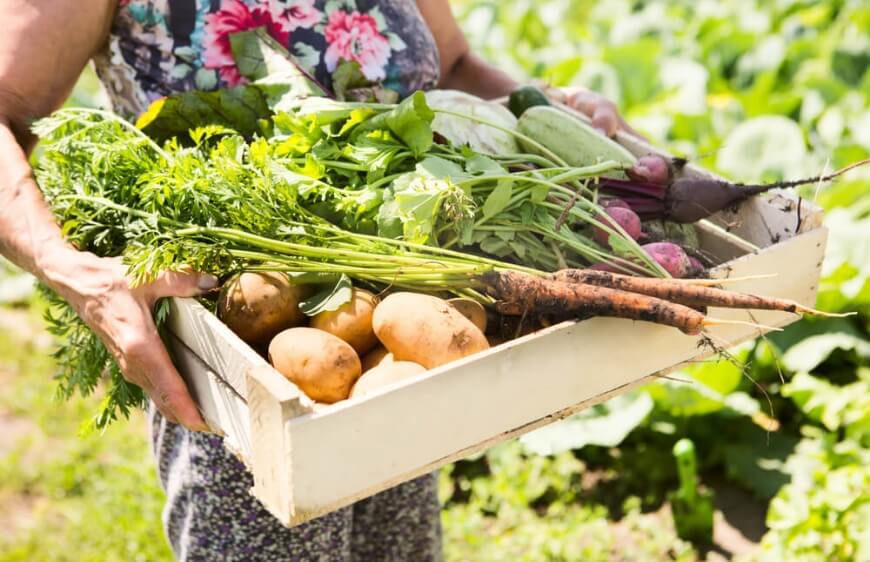
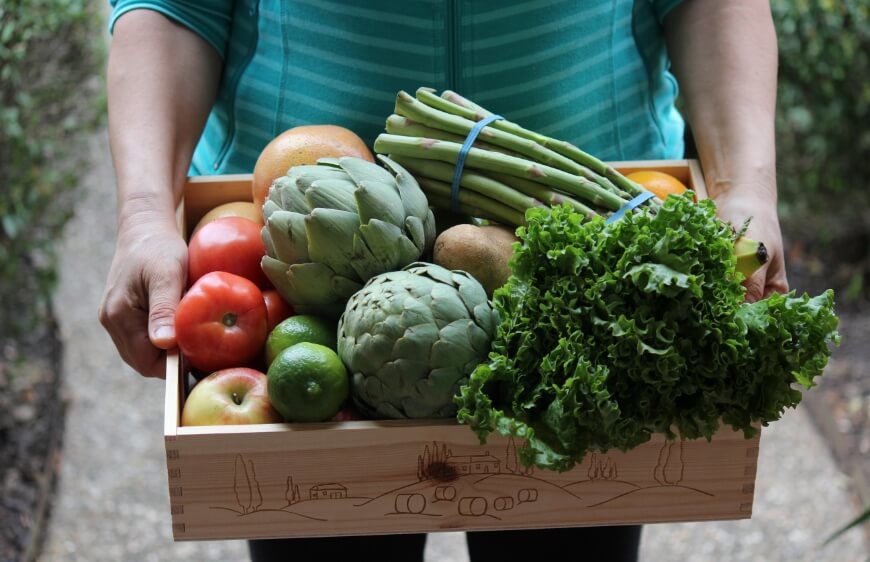
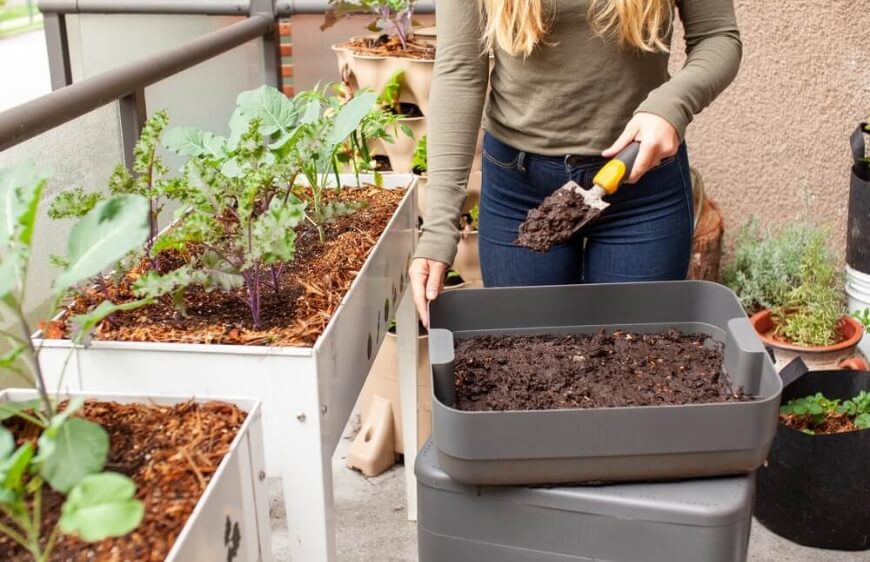
Choose locally grown, seasonal food. This supports local producers and reduces the carbon footprint associated with transporting food over long distances. Consider placing greater emphasis on plant-based eating. A plant-based diet can reduce greenhouse gas emissions and help conserve natural resources such as water and land. Seasonal fruit and vegetables are more likely to have been grown locally and require fewer resources to transport.Look for certified organic products or food grown using sustainable practices.Plan your meals and shop with a list to avoid buying more than you need. Explore ways to use leftovers; for example, compost food scraps and use the compost to support edible plants grown at home.

Reduce Waste
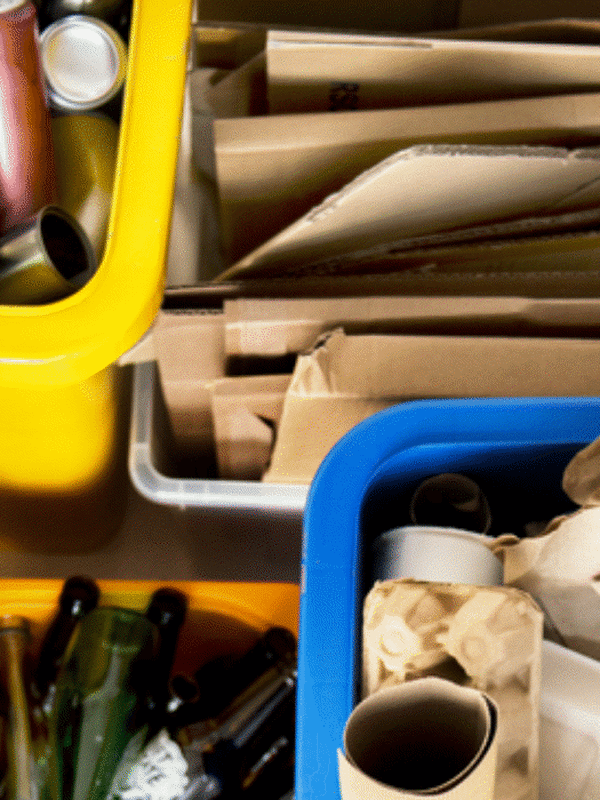
Reducing waste is an important part of a sustainable lifestyle. It can also support emotional well-being through a sense of satisfaction and a clearer conscience. Instead of single-use plastic bags, bottles and cups, choose reusable products made from materials such as glass, stainless steel or silicone. Compost food scraps and other organic waste rather than throwing them away, turning them into nourishment for plants in pots or the garden. When something breaks, have it repaired or explore ways to repurpose it before buying a replacement. Try to move away from the thought, ‘For the cost of repairing it, I could buy a new one.’Find out which materials can be recycled locally and where collection points are located. Before taking items for recycling, check the requirements for each material and prepare them accordingly.

Choose Sustainable Transport
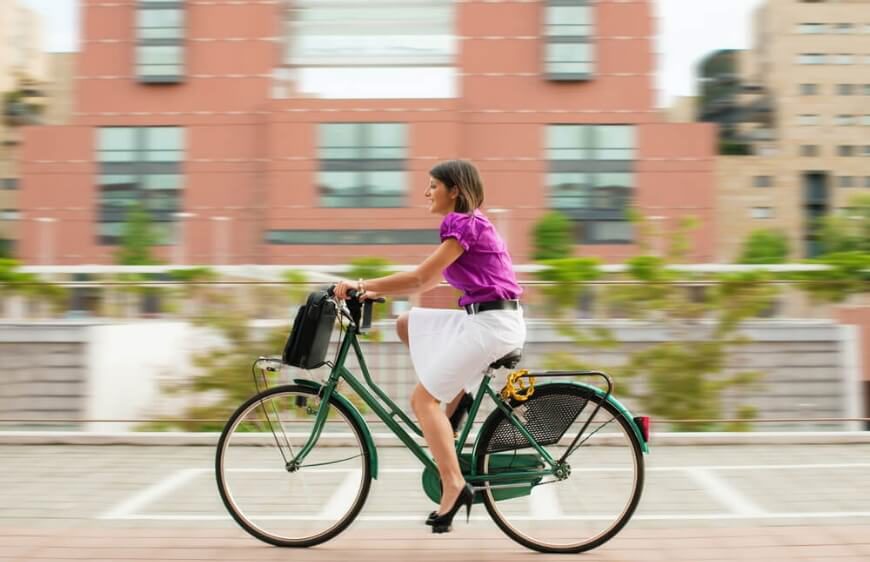
Choose forms of transport with a lower environmental impact than travelling alone by car. Walking and cycling produce no direct emissions and do not rely on fossil fuels; they also offer a wonderful opportunity to exercise, enjoy fresh air and support mental well-being. Public transport, such as buses, trains and the metro, can also be a sustainable choice. By taking more people to their destinations in fewer vehicles, it can help reduce congestion and greenhouse gas emissions.
Connect with Nature
Spending time in nature can offer many benefits for physical, mental and emotional well-being, including reduced stress, greater creativity, an improved mood and better overall health.From a sustainability perspective, connecting with nature—as in the Scandinavian way of life known as friluftsliv—can also help us appreciate the natural world and understand the importance of protecting it. Time outdoors can nurture a sense of connection and responsibility towards the environment, encouraging more sustainable behaviour in other areas of life.Remember, embracing a slower, more sustainable lifestyle is a process, not an overnight change. Start small, set achievable goals and gradually introduce sustainable changes into your daily routine.