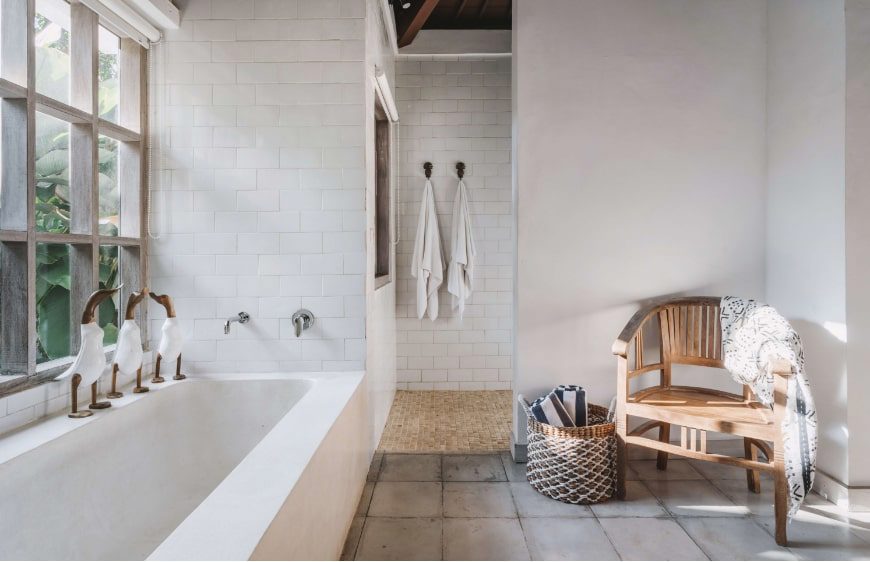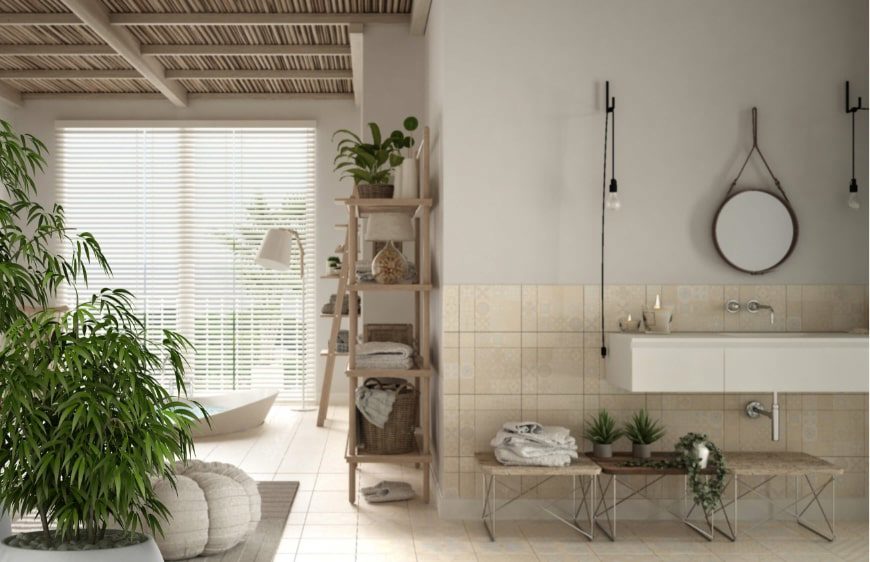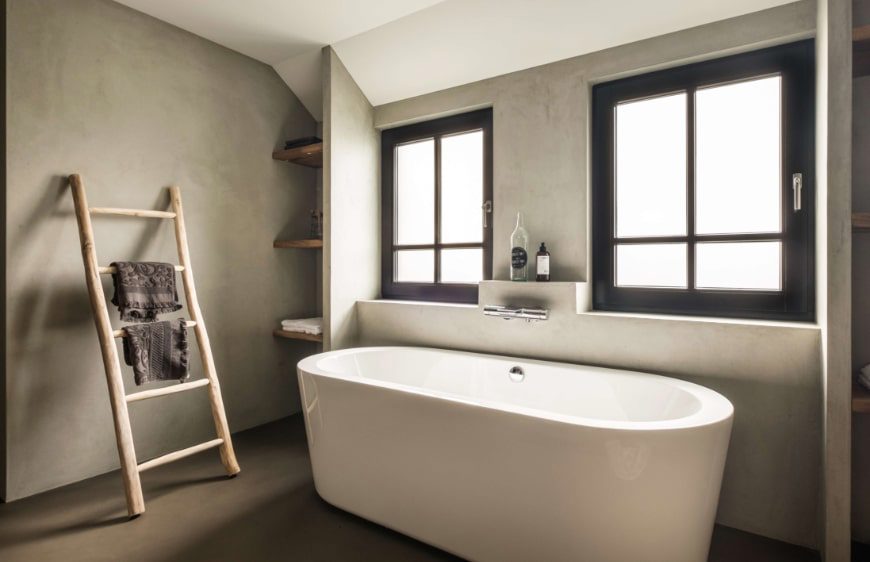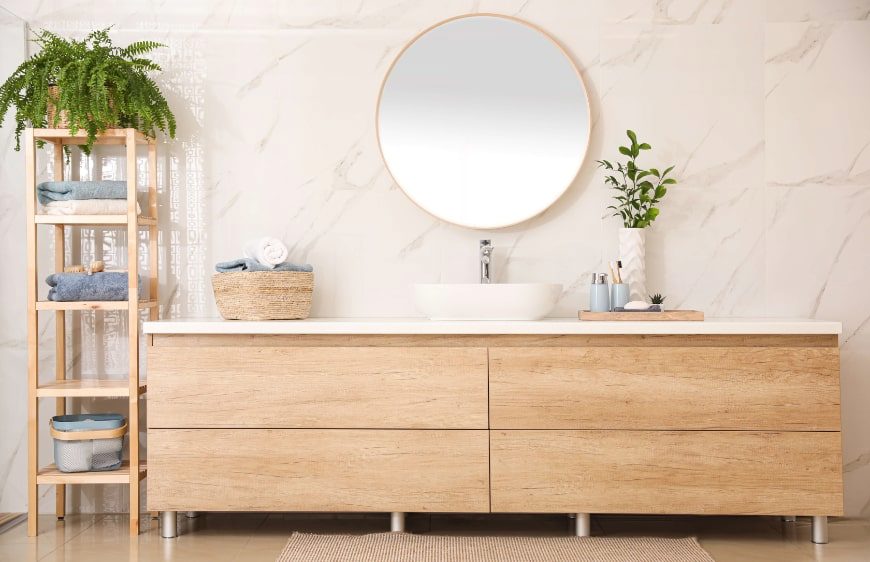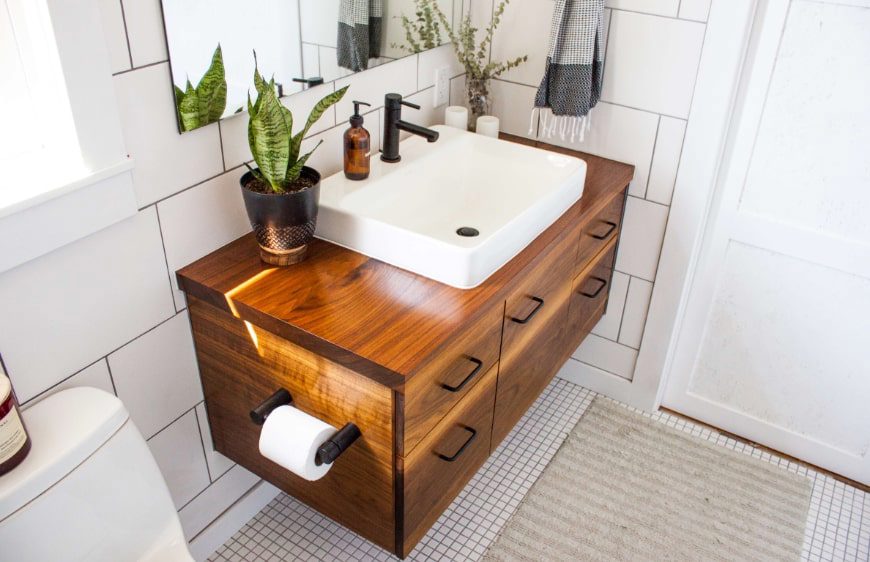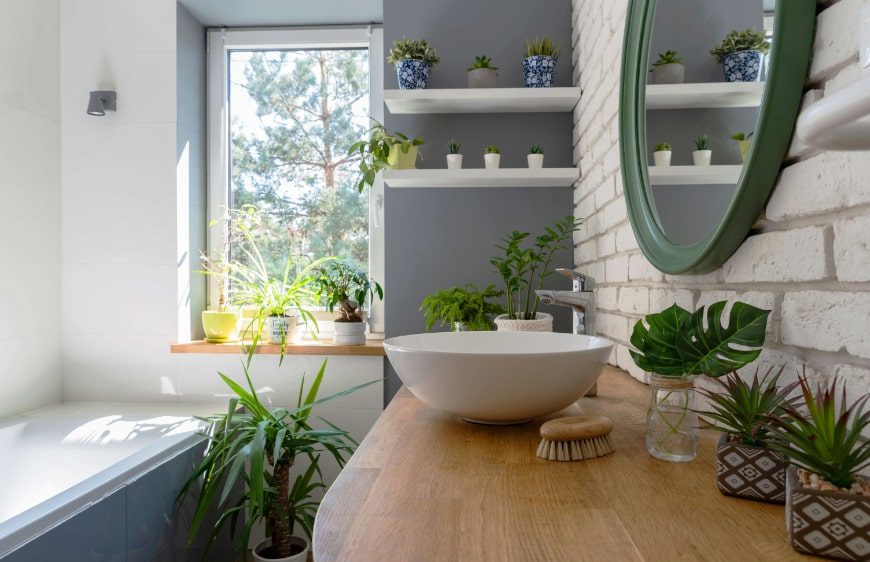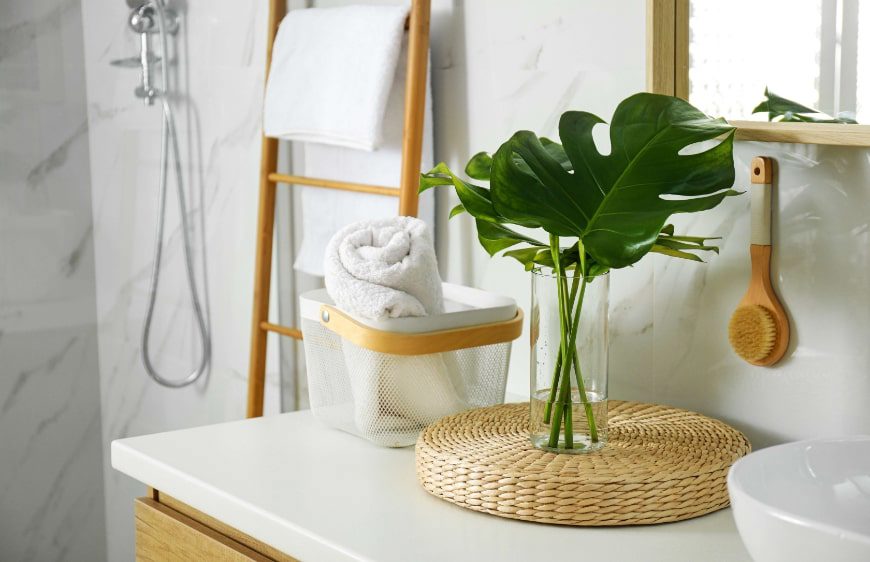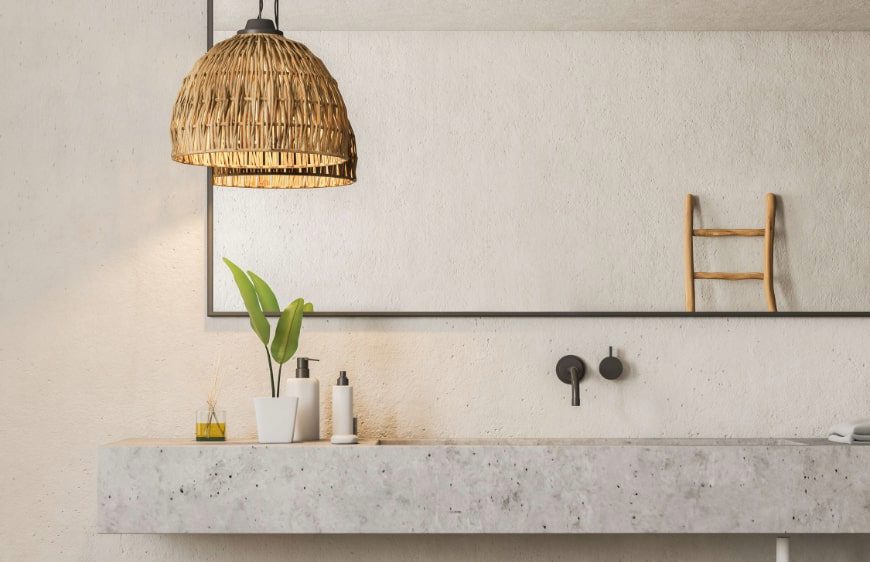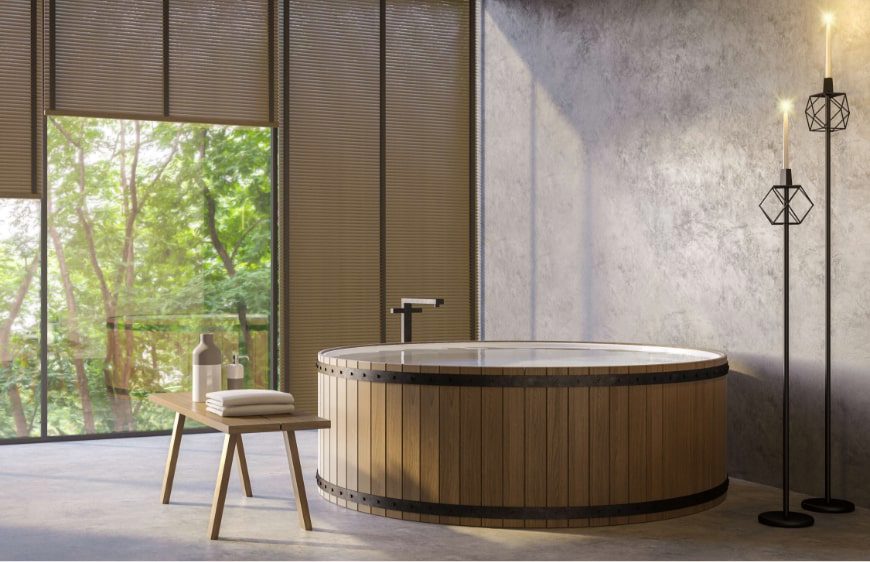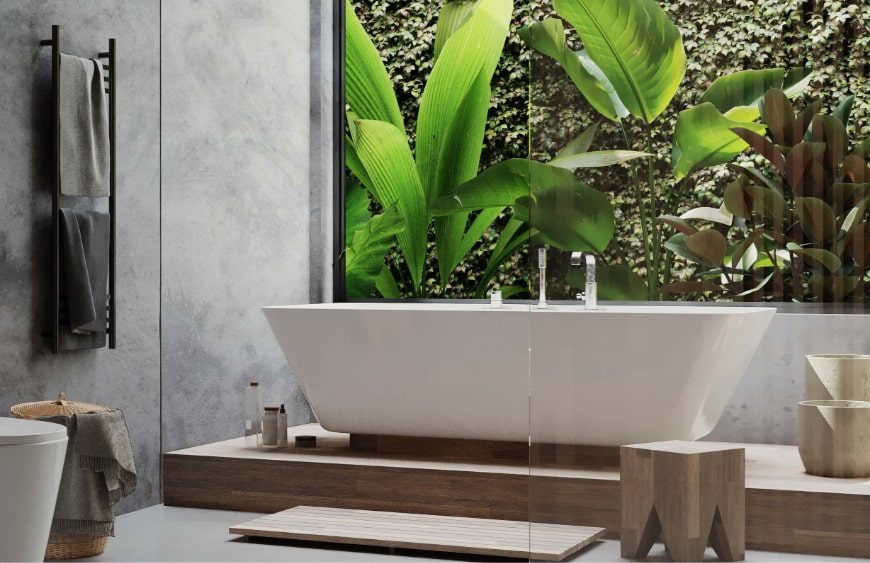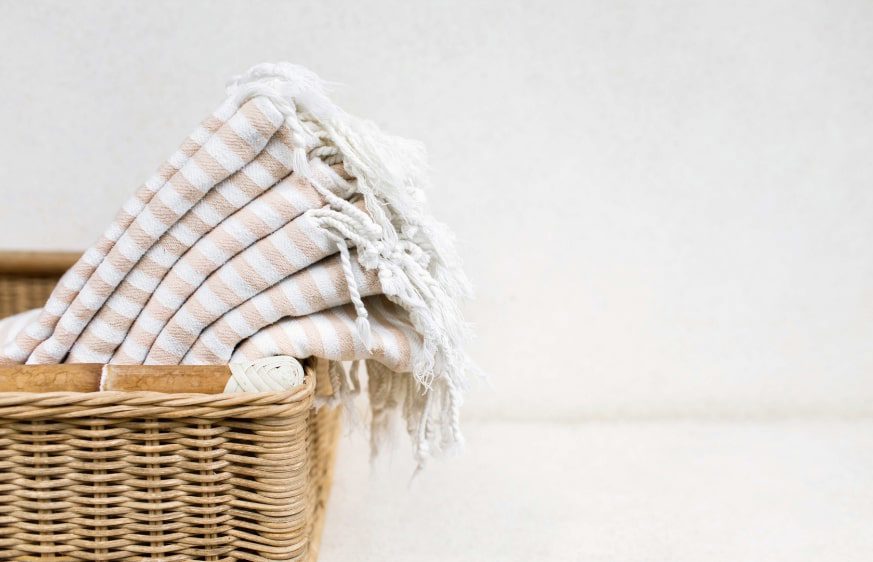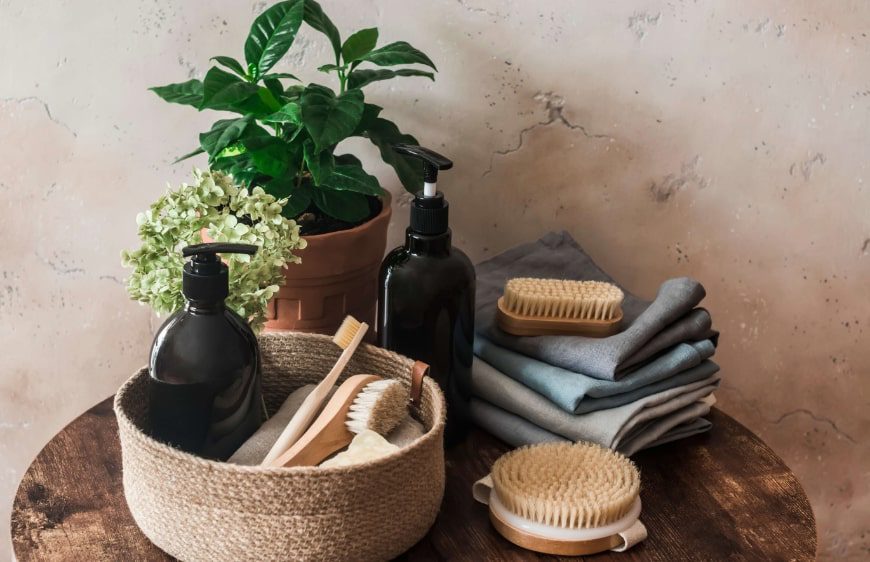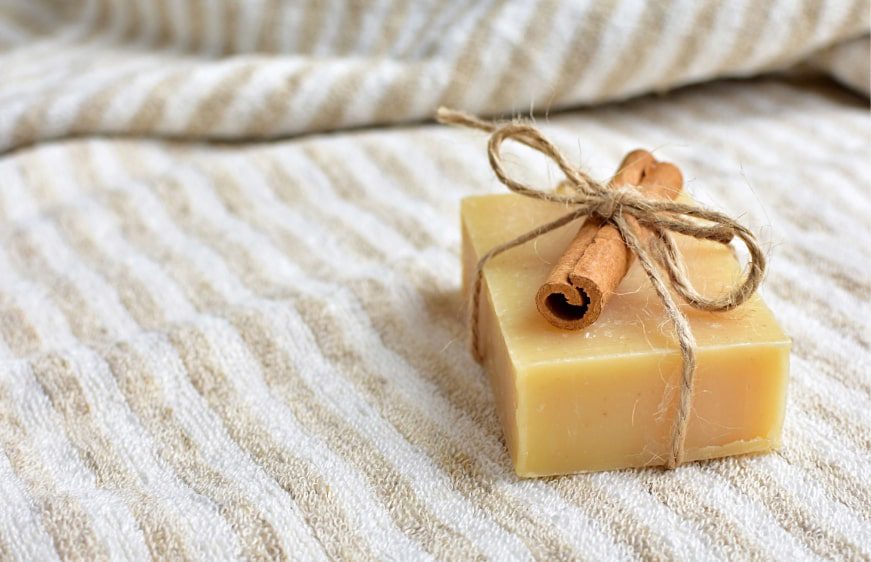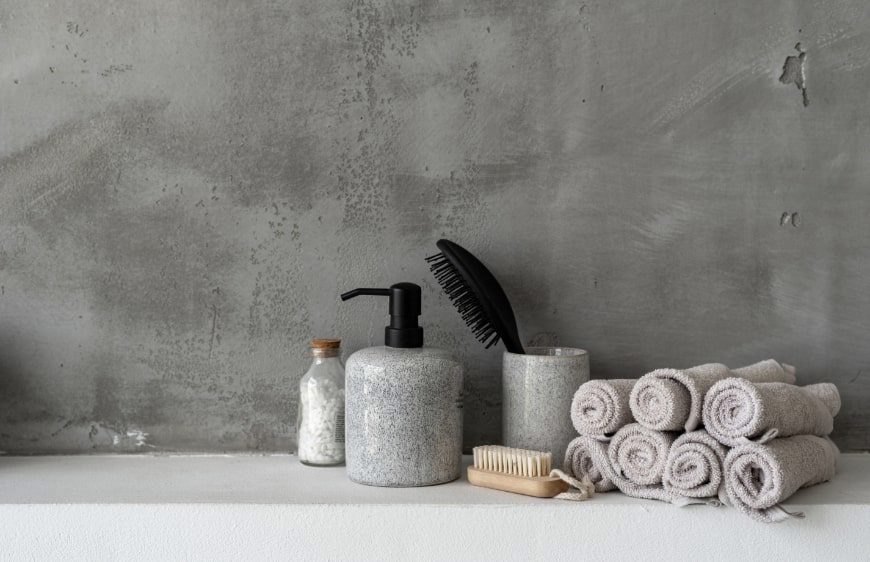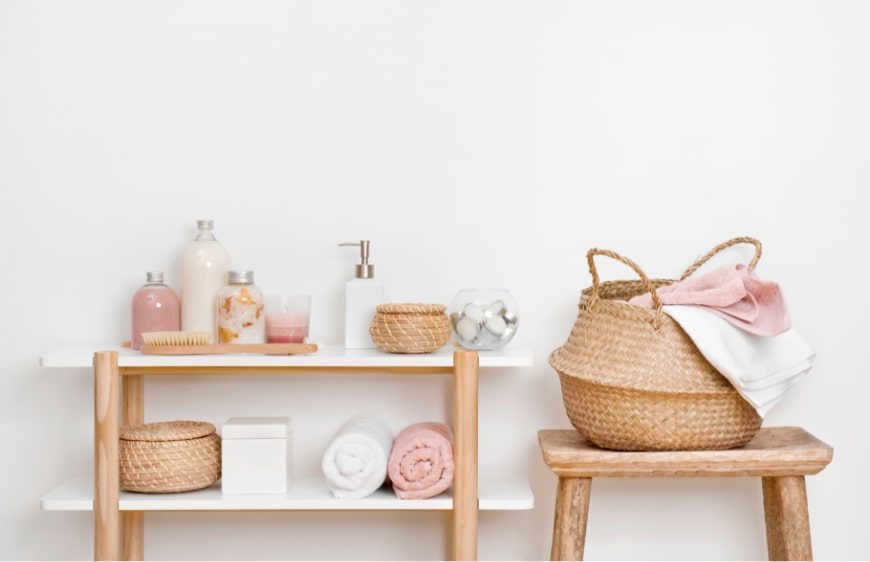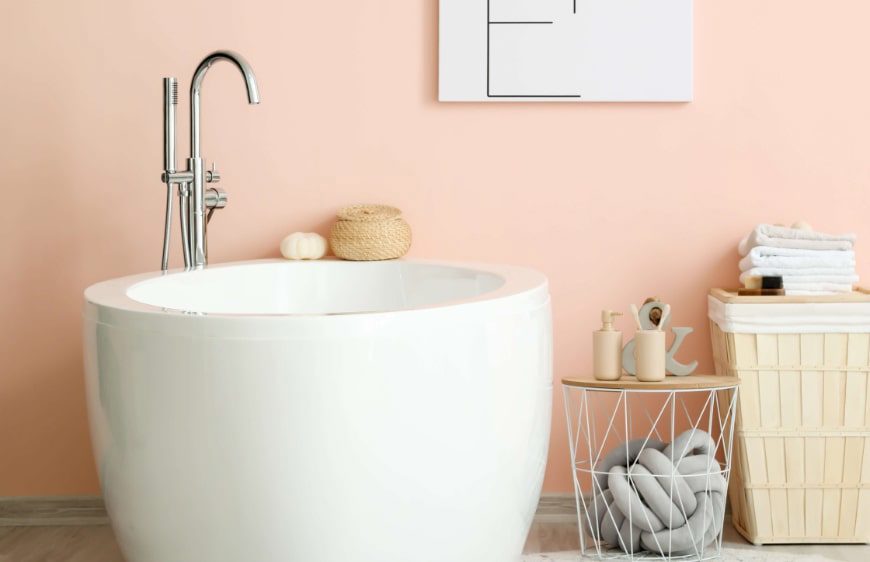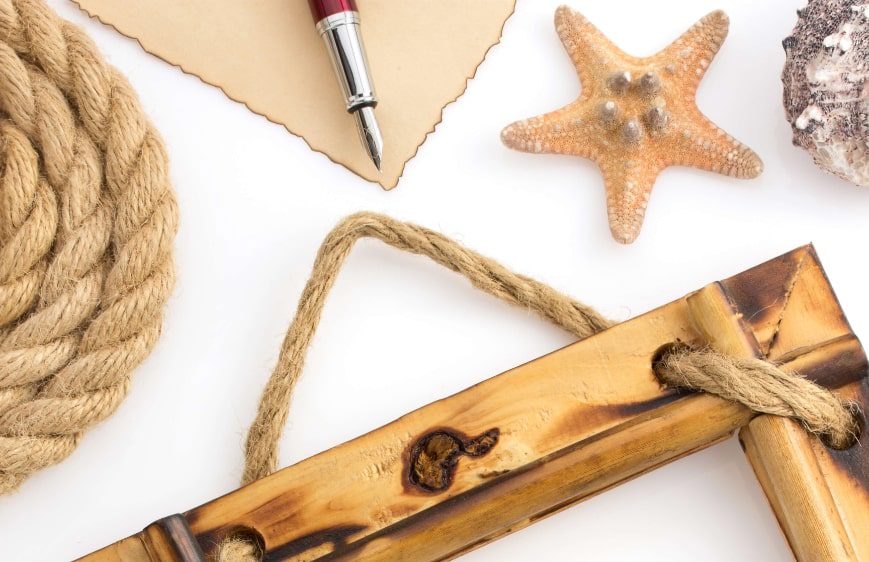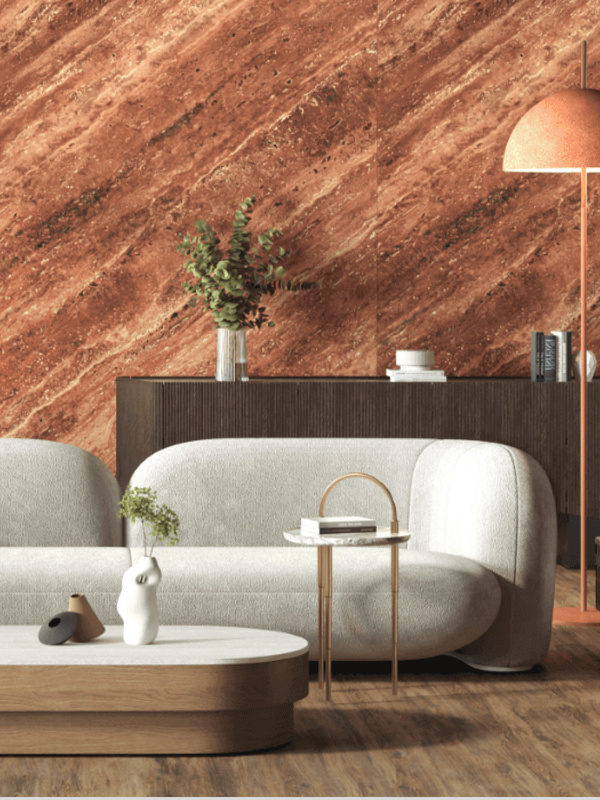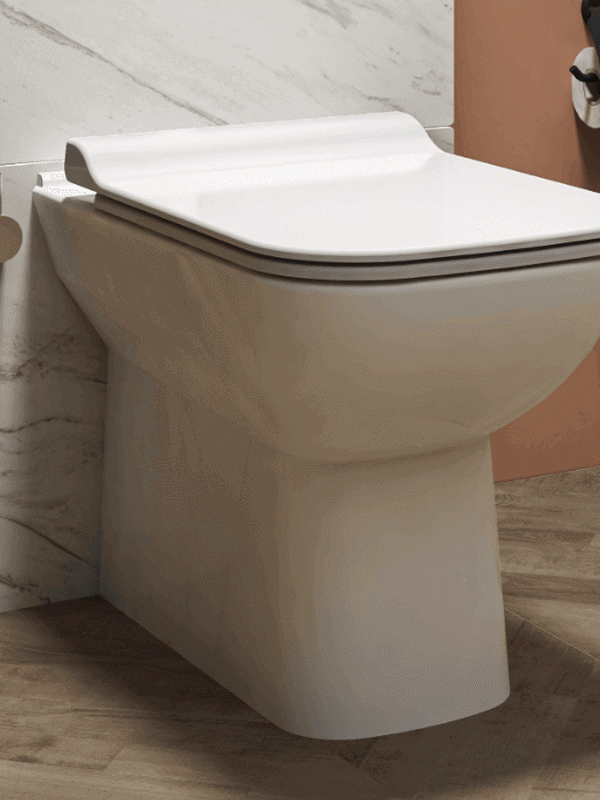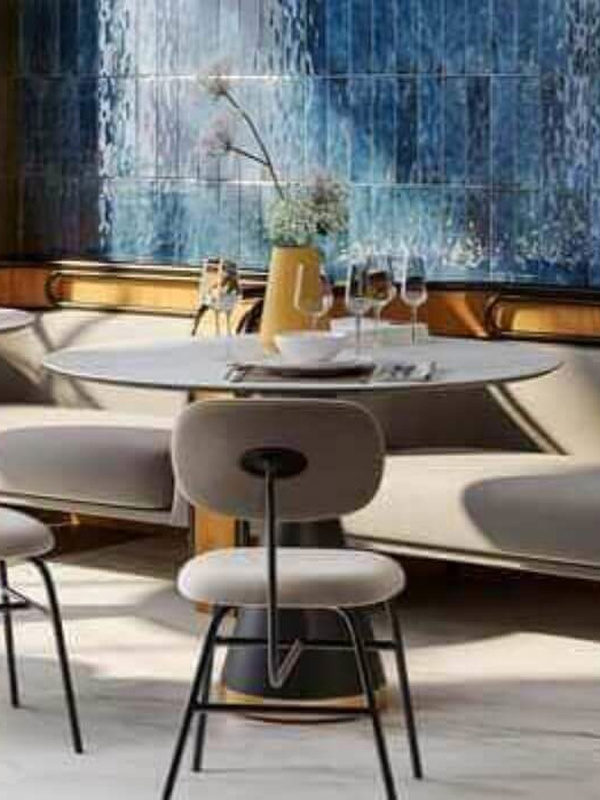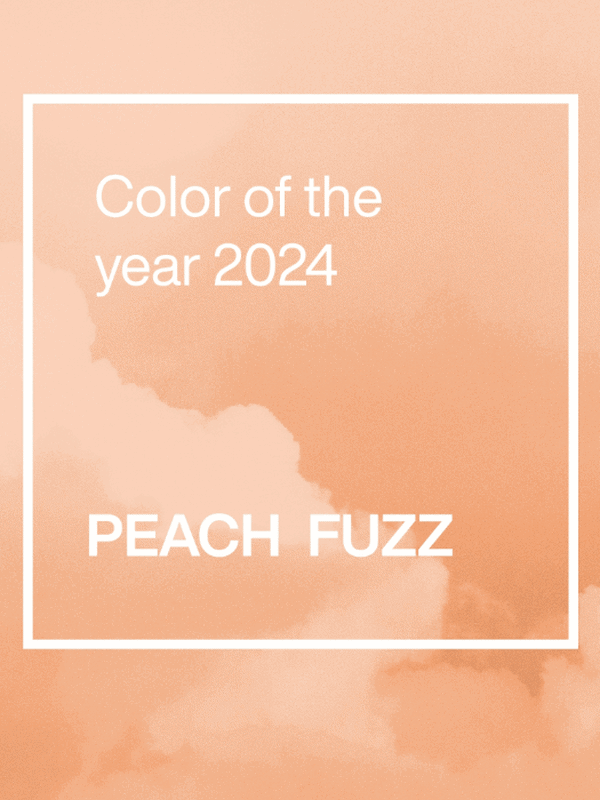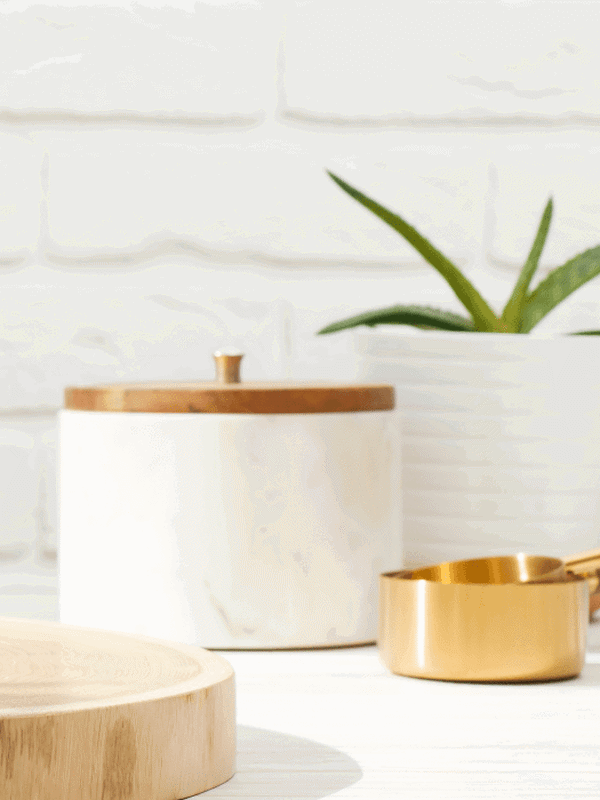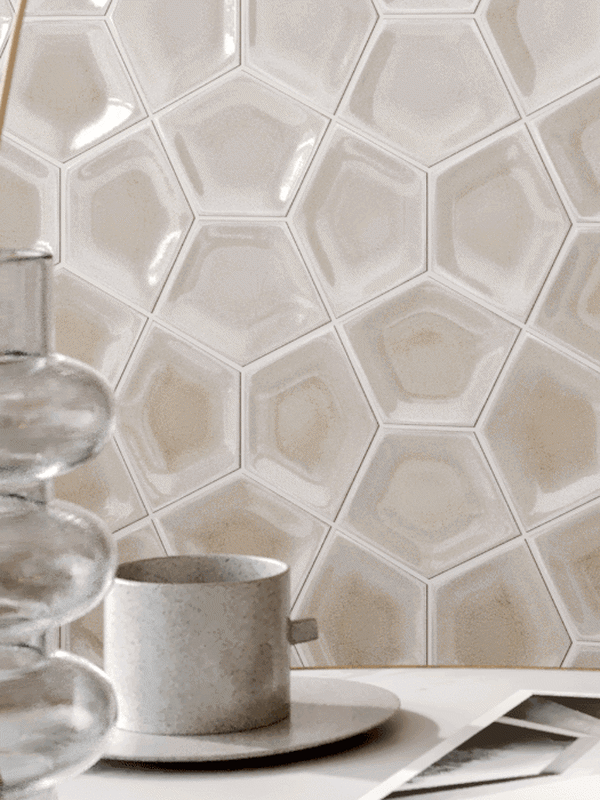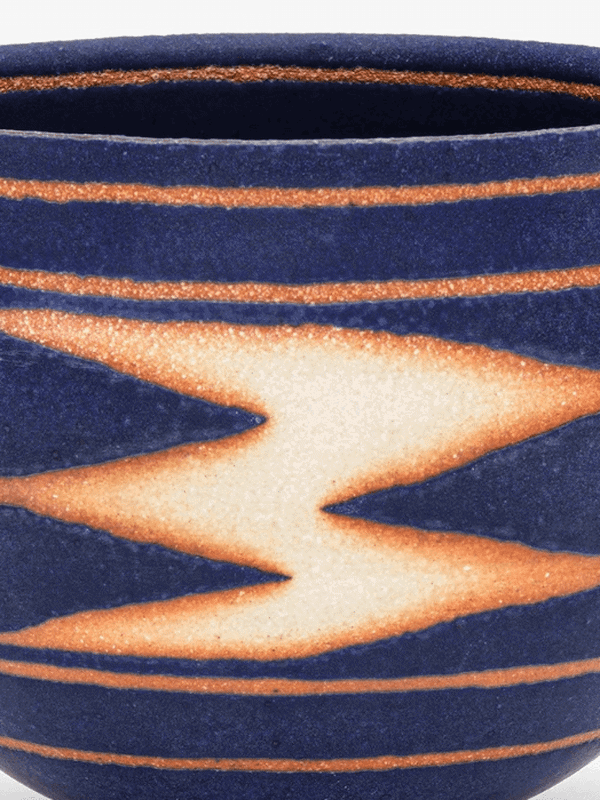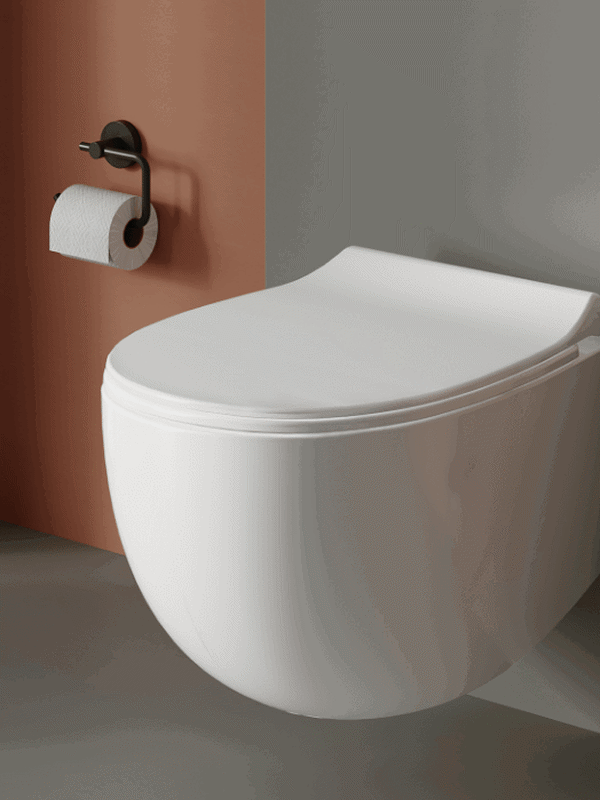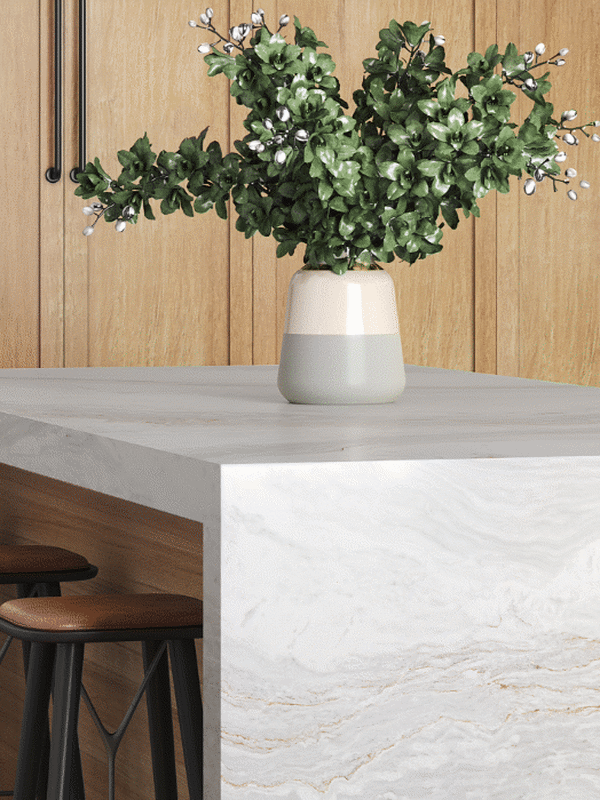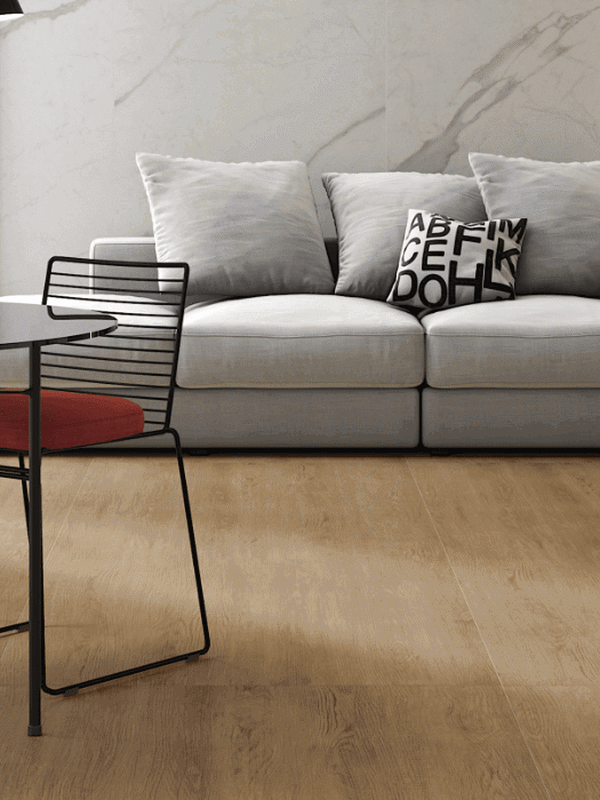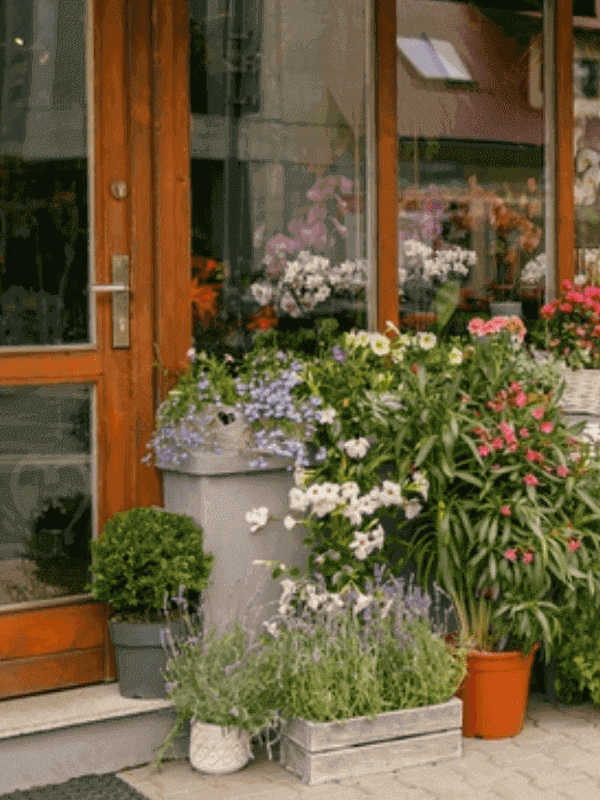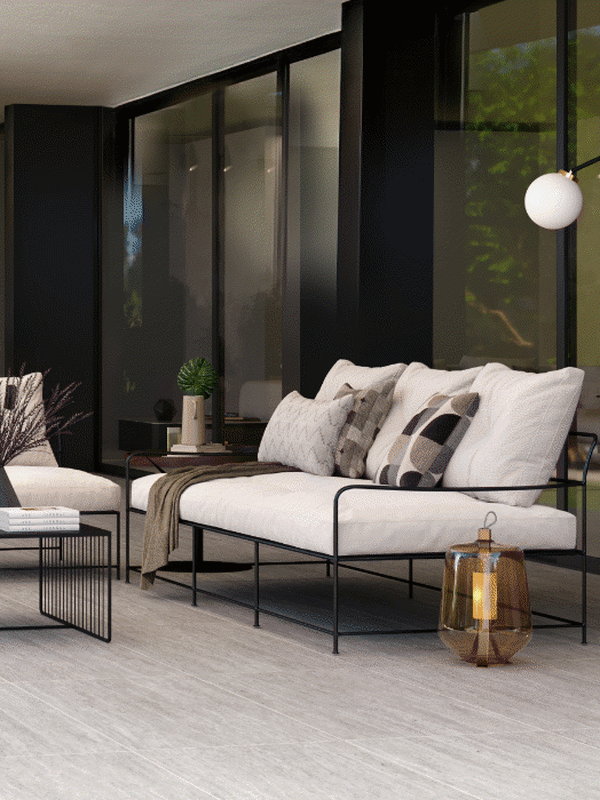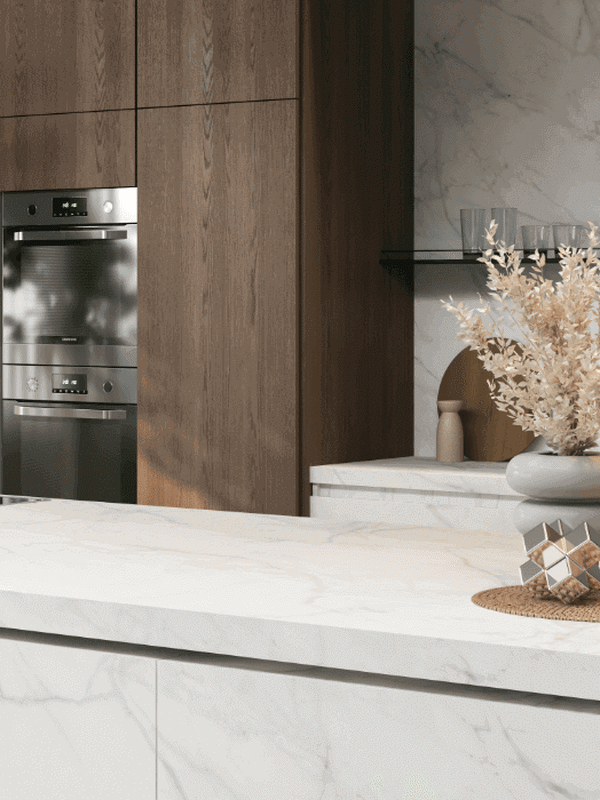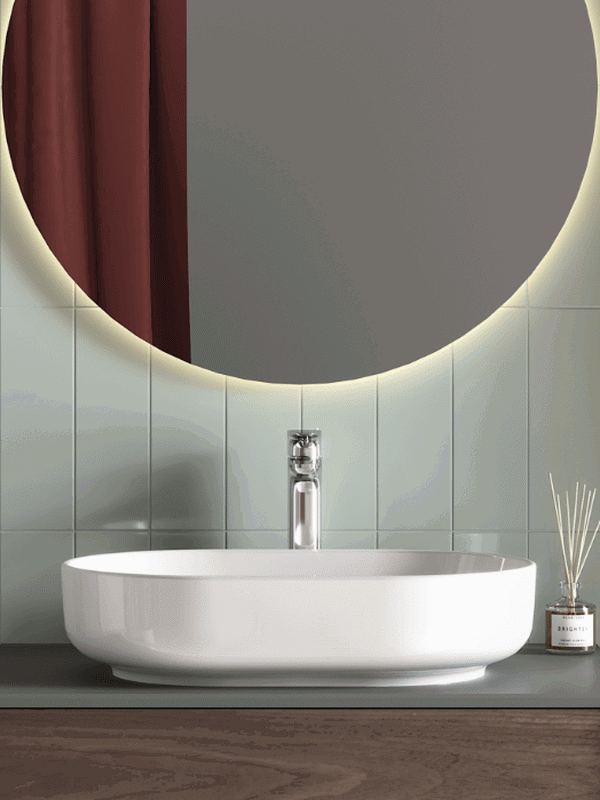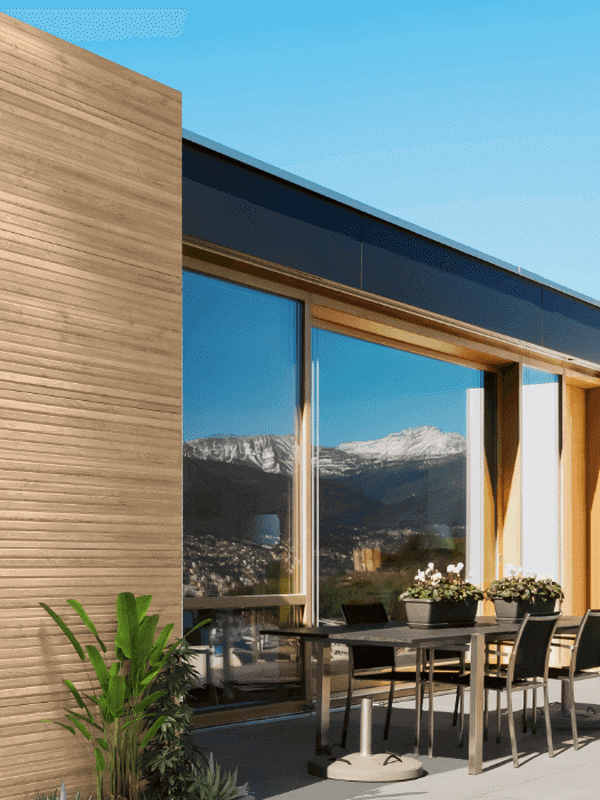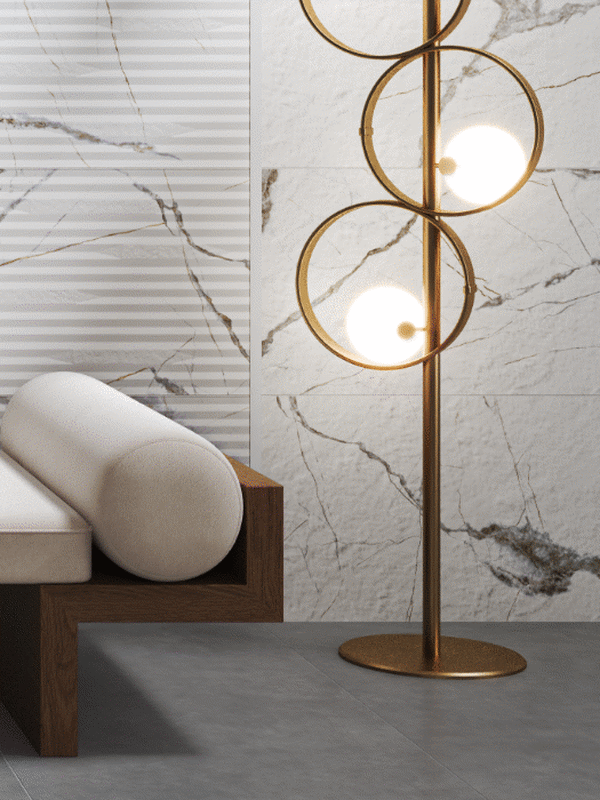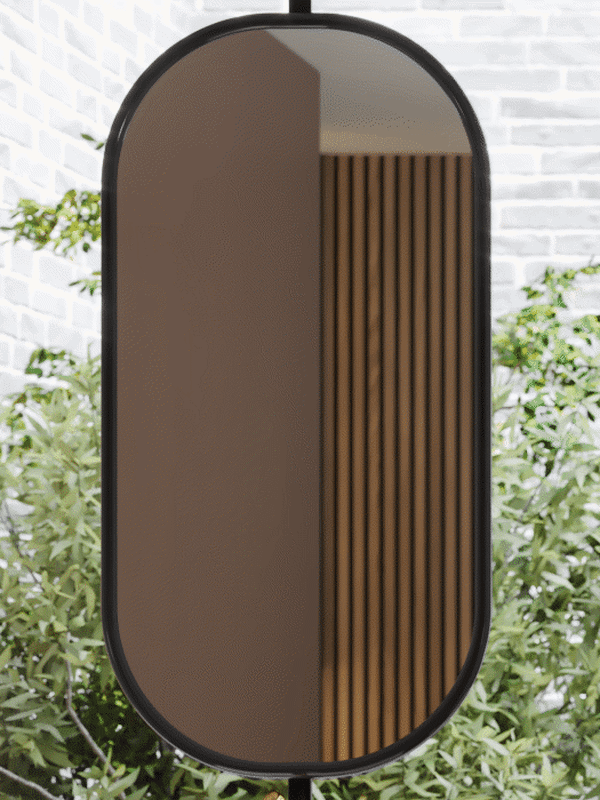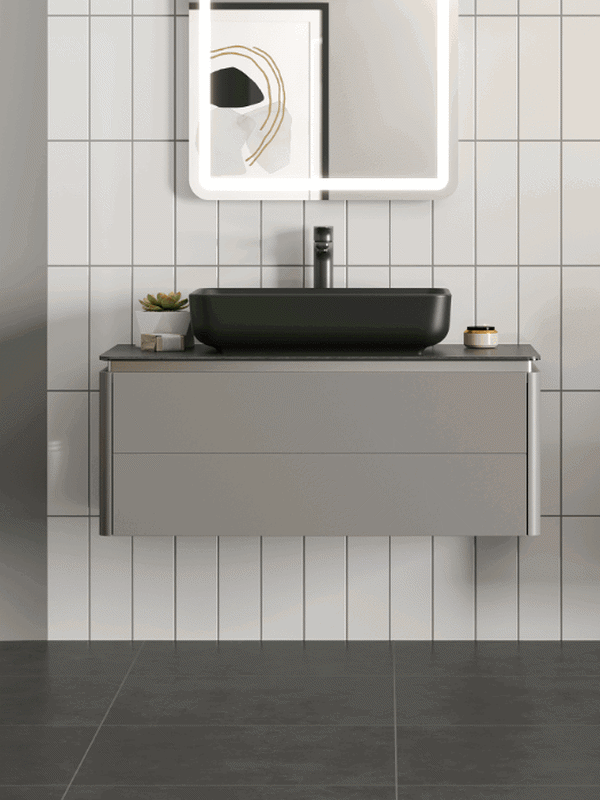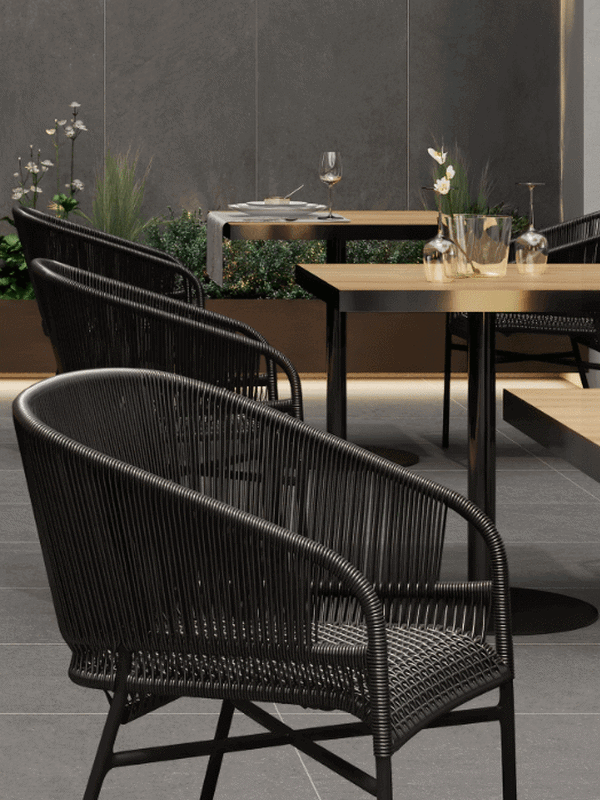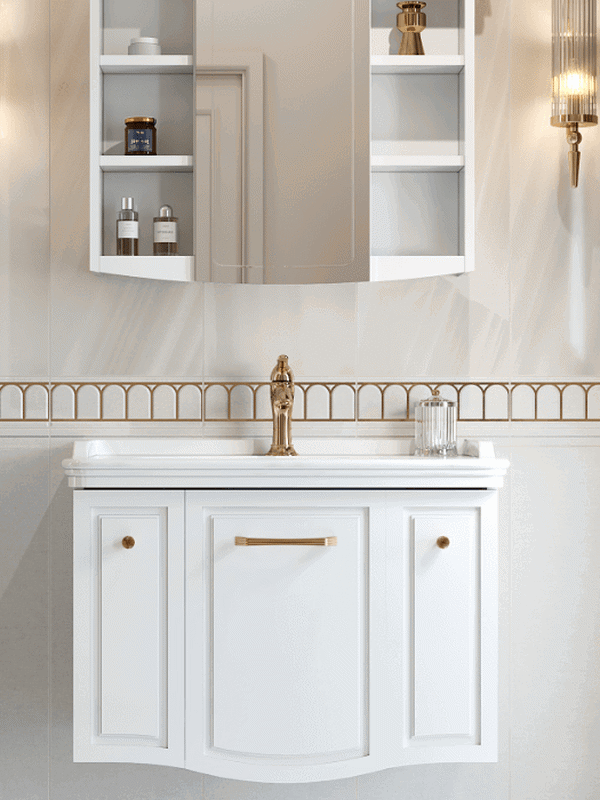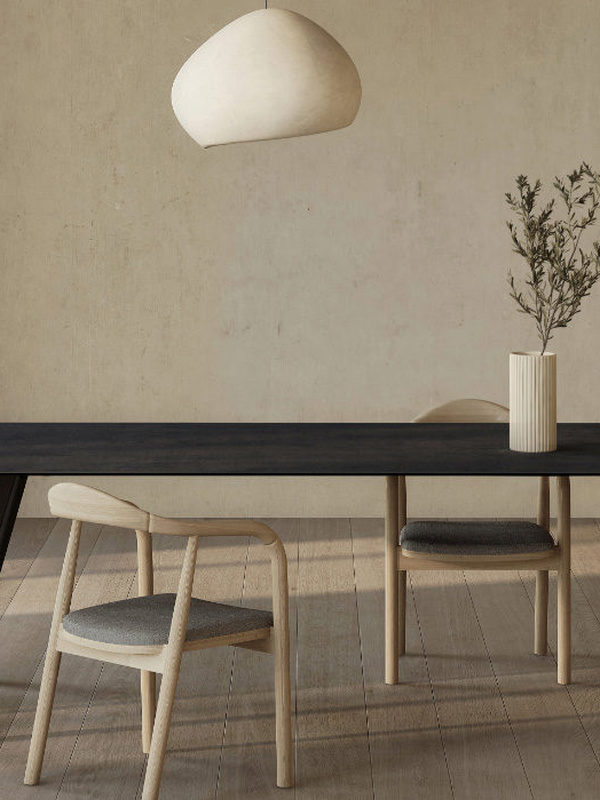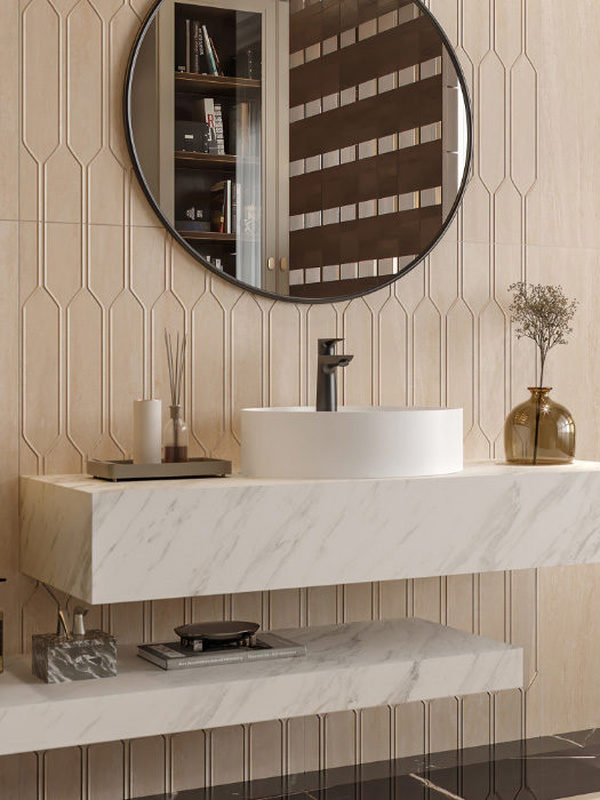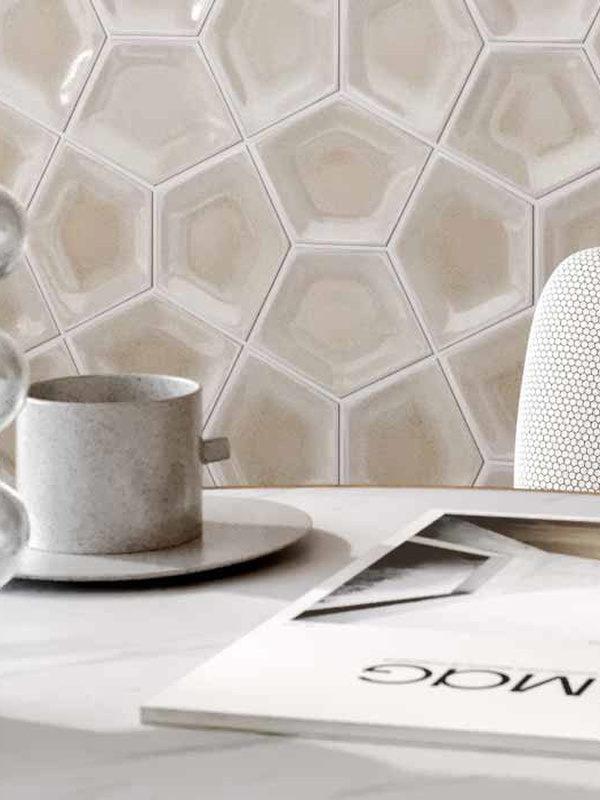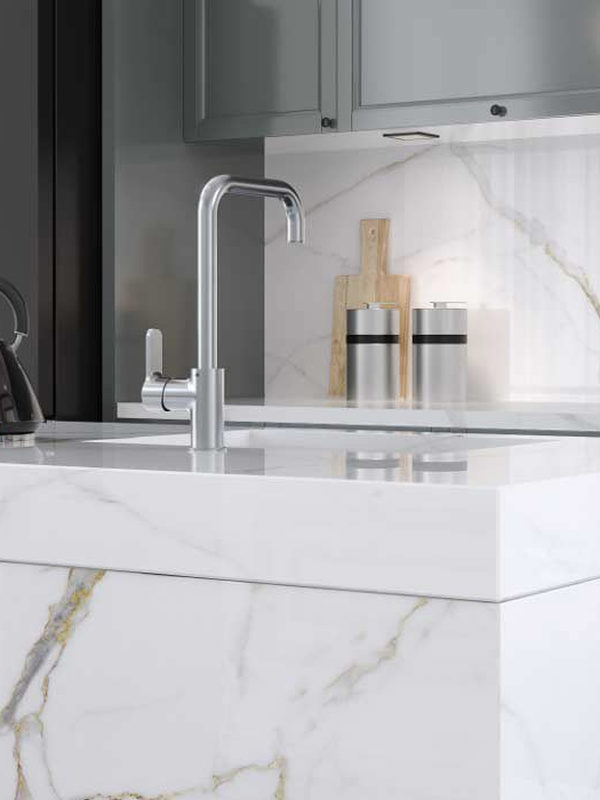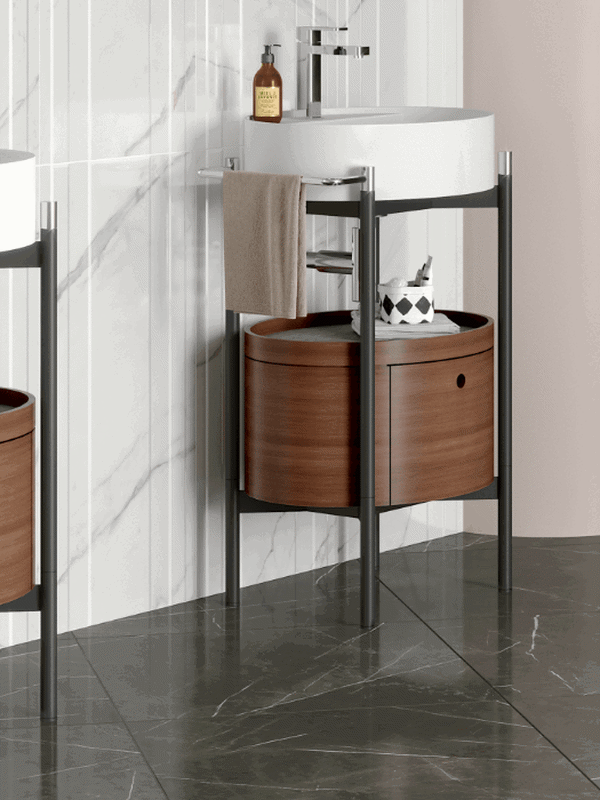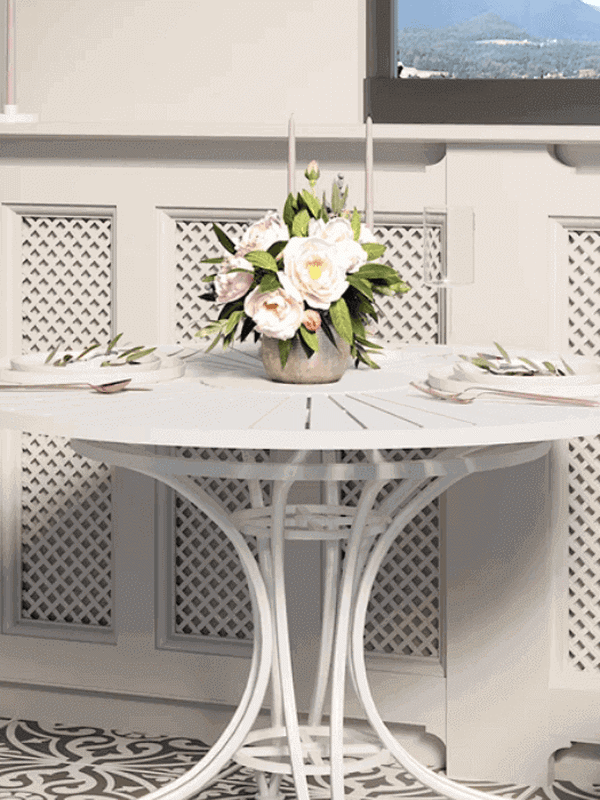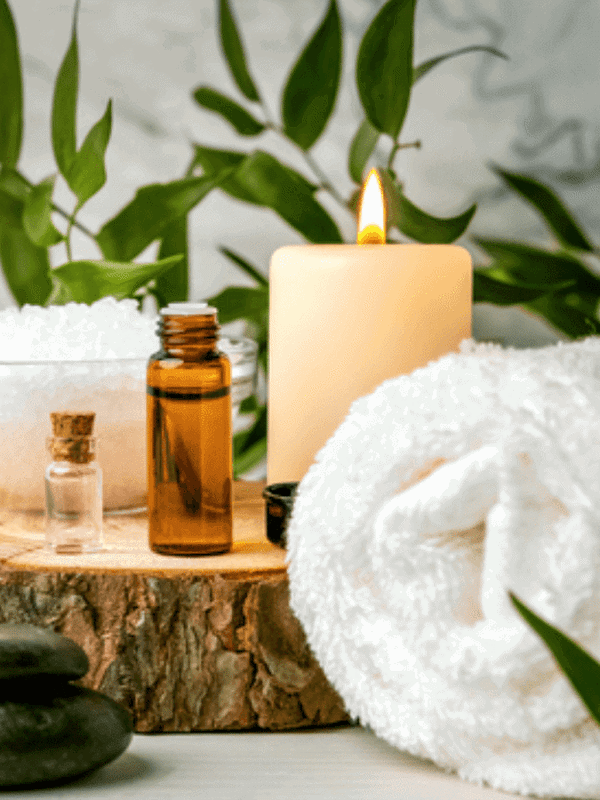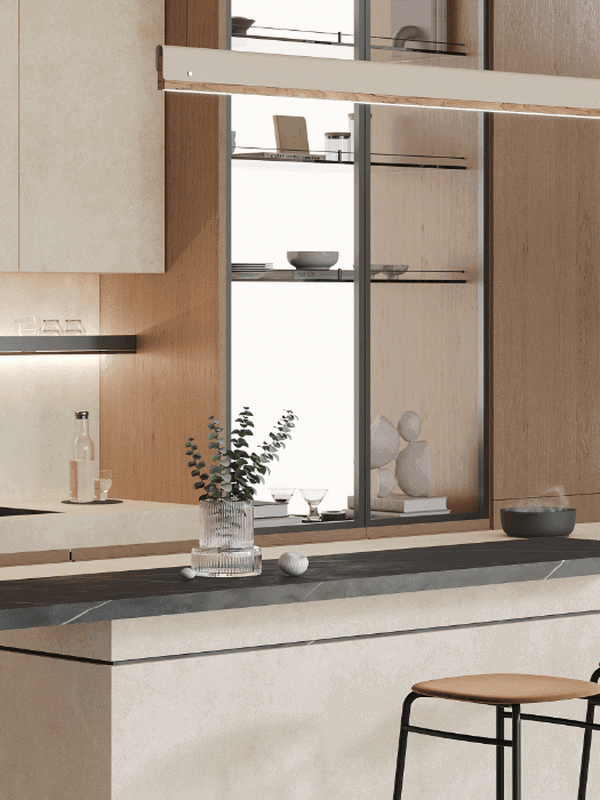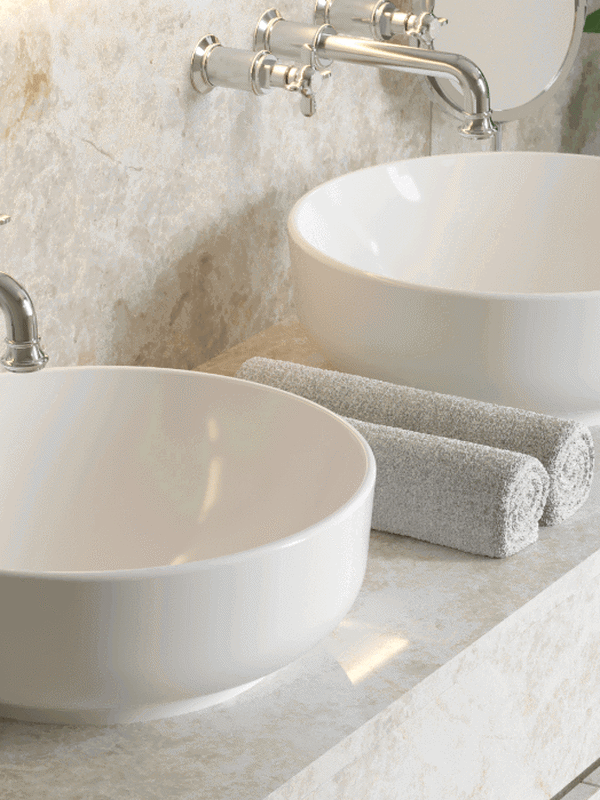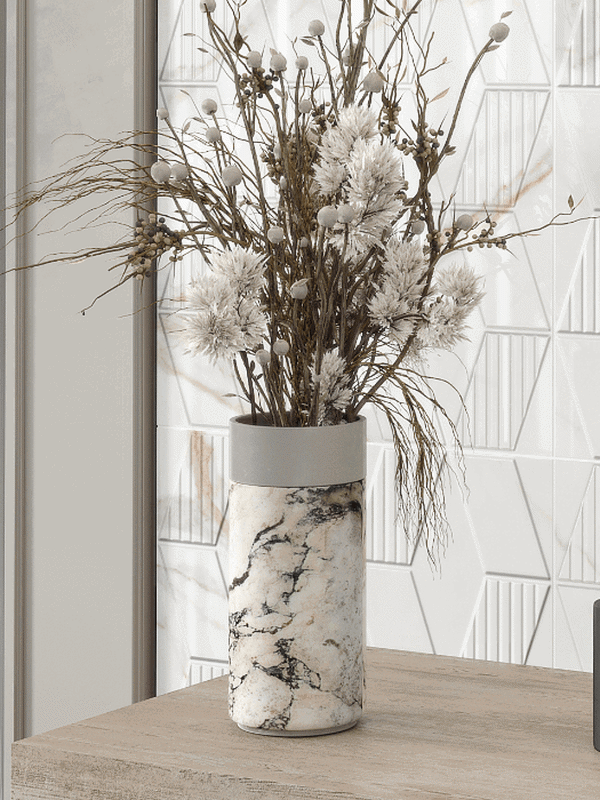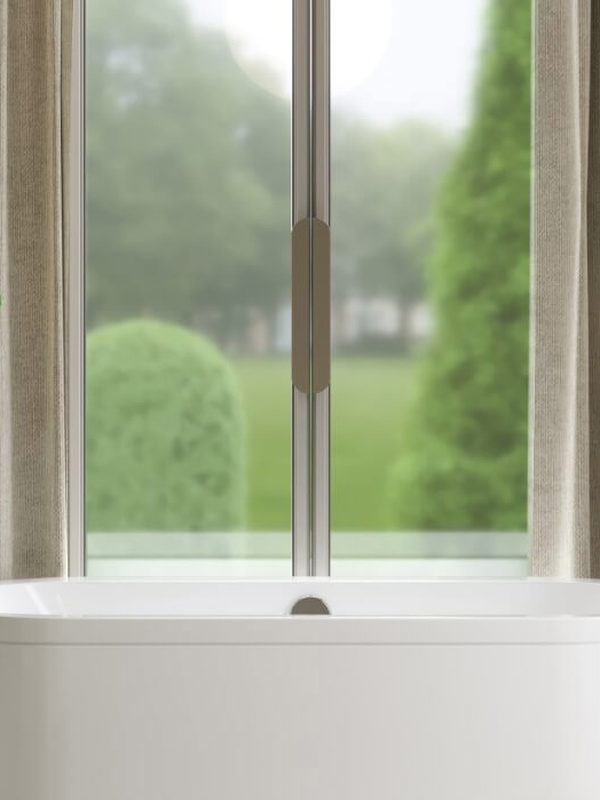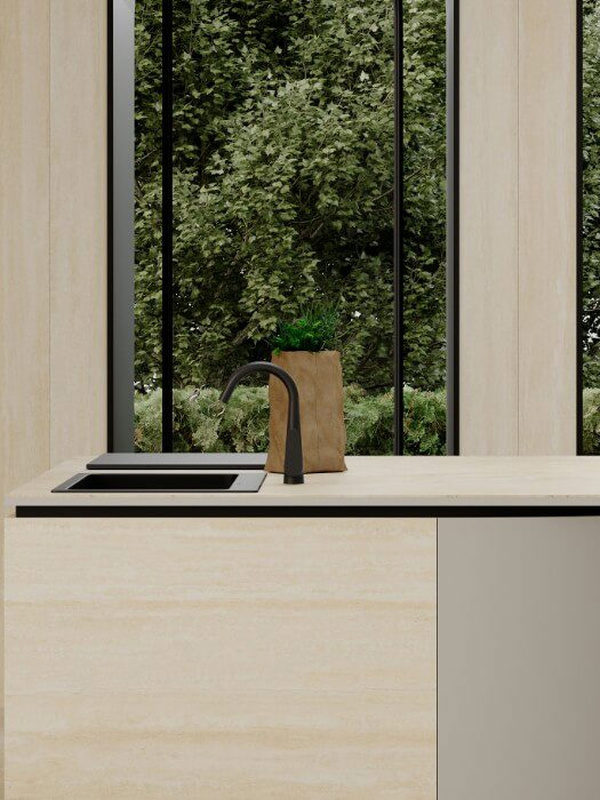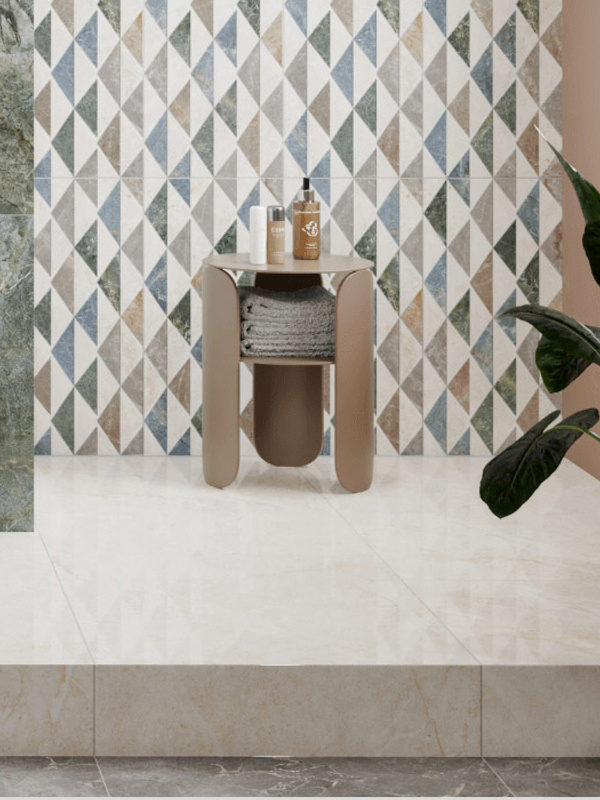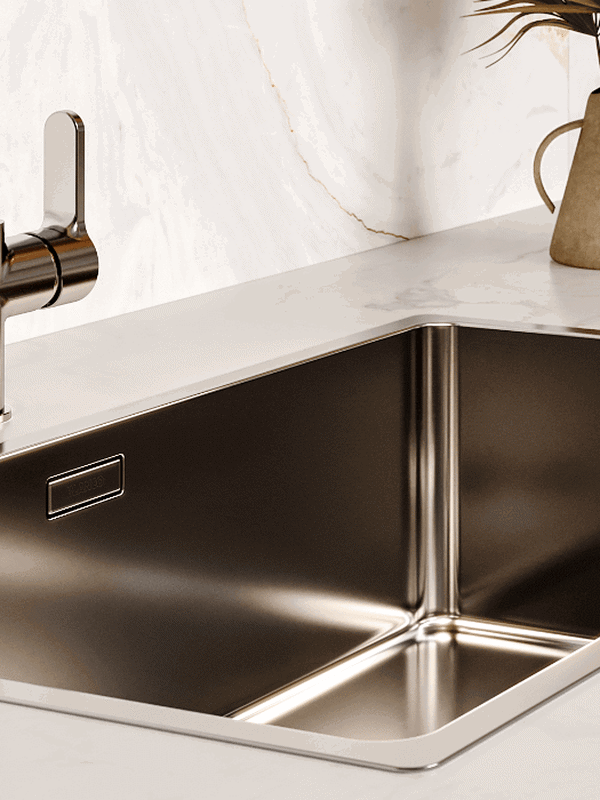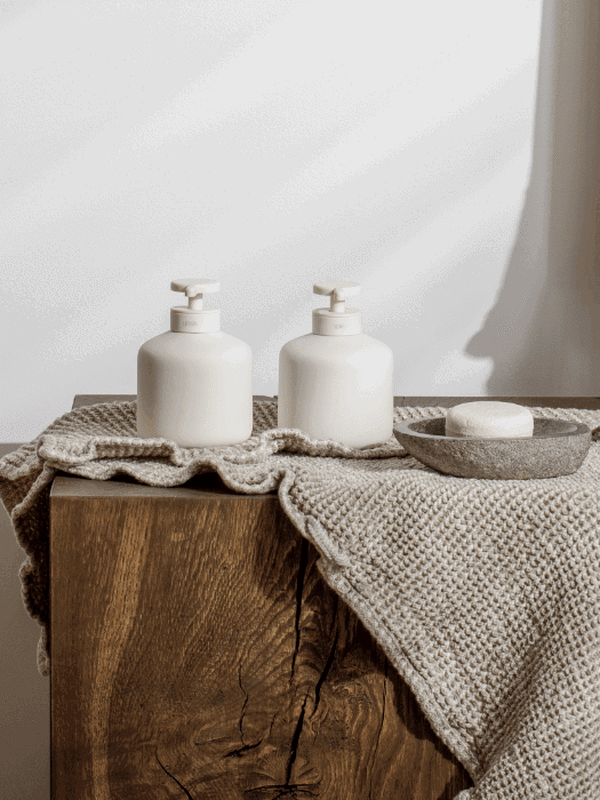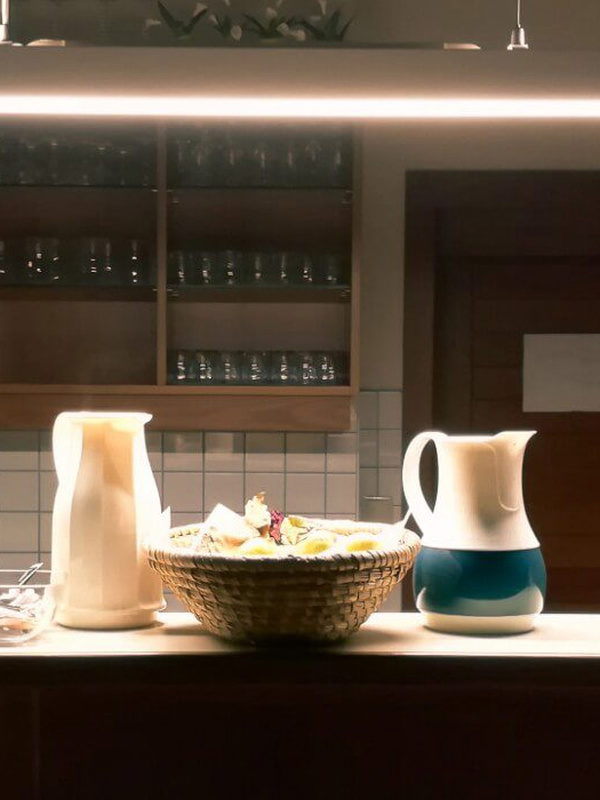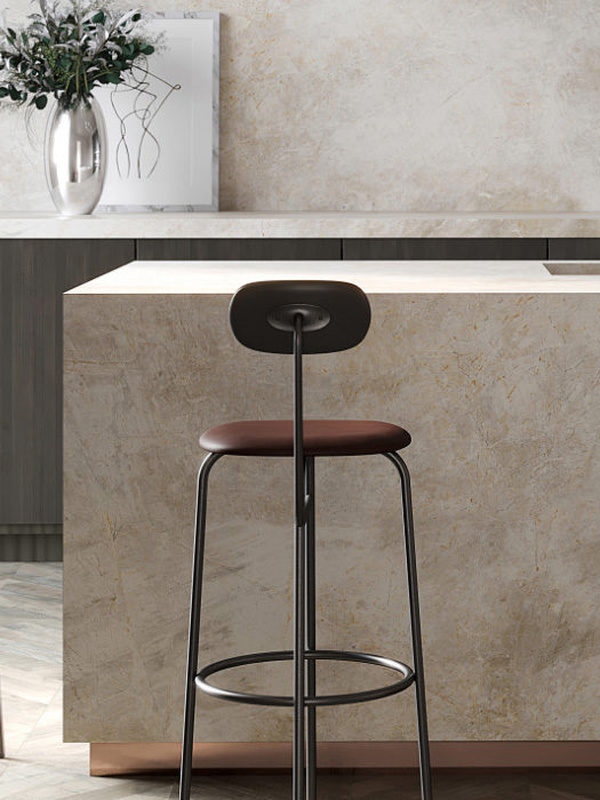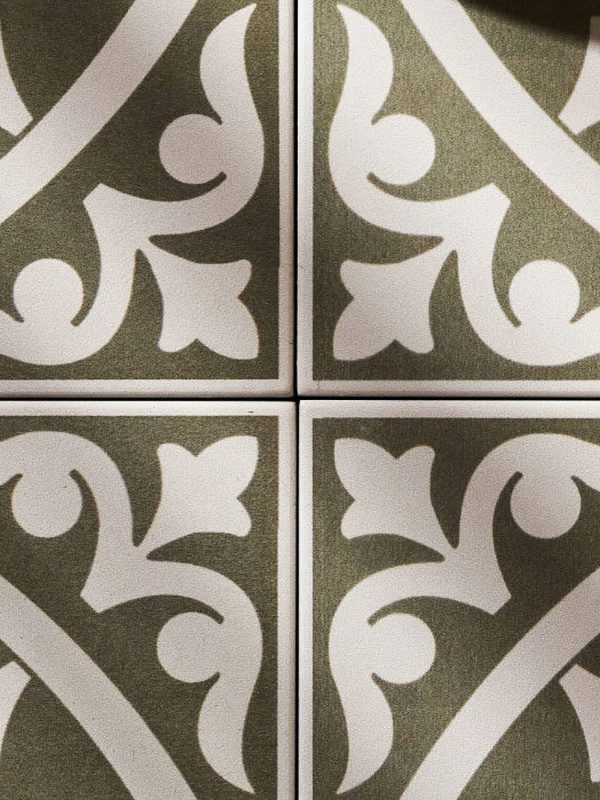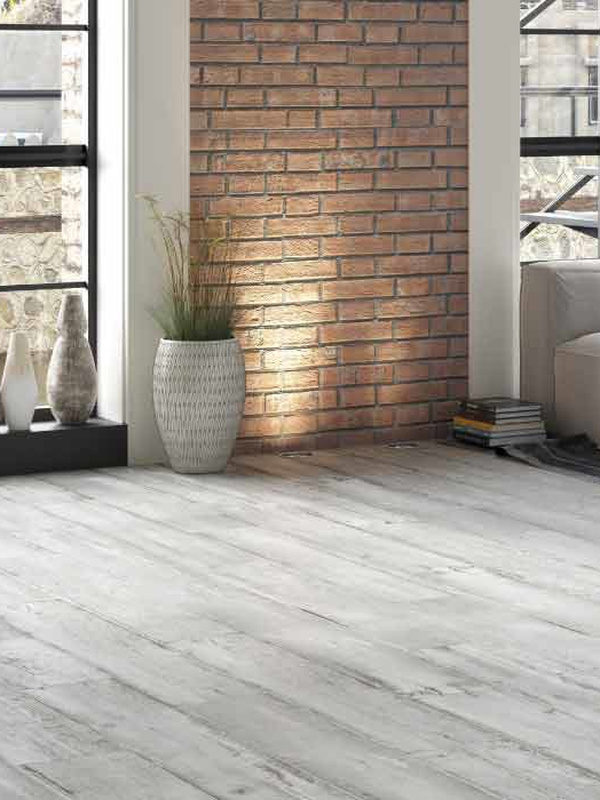
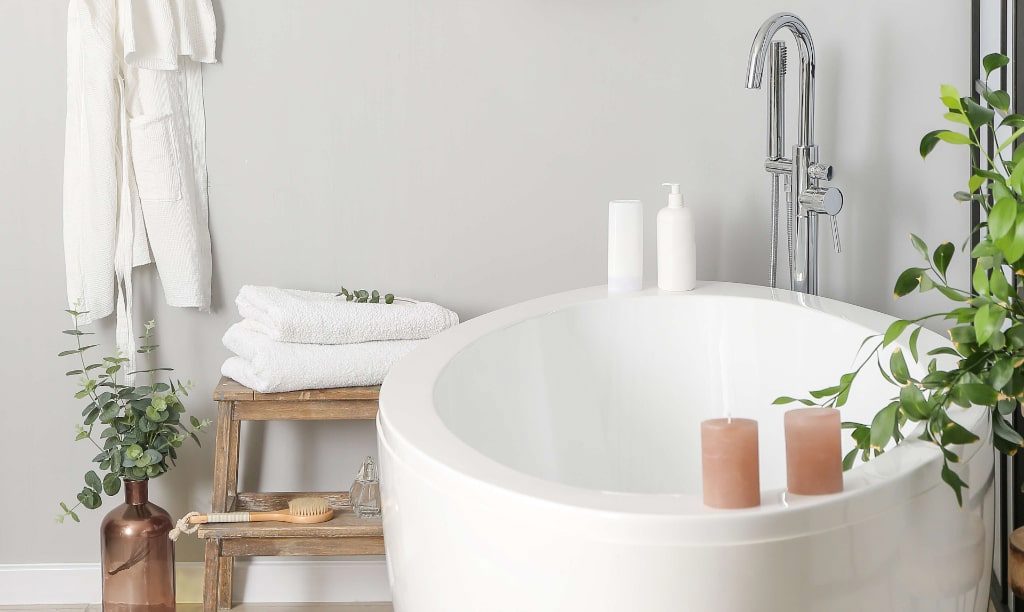
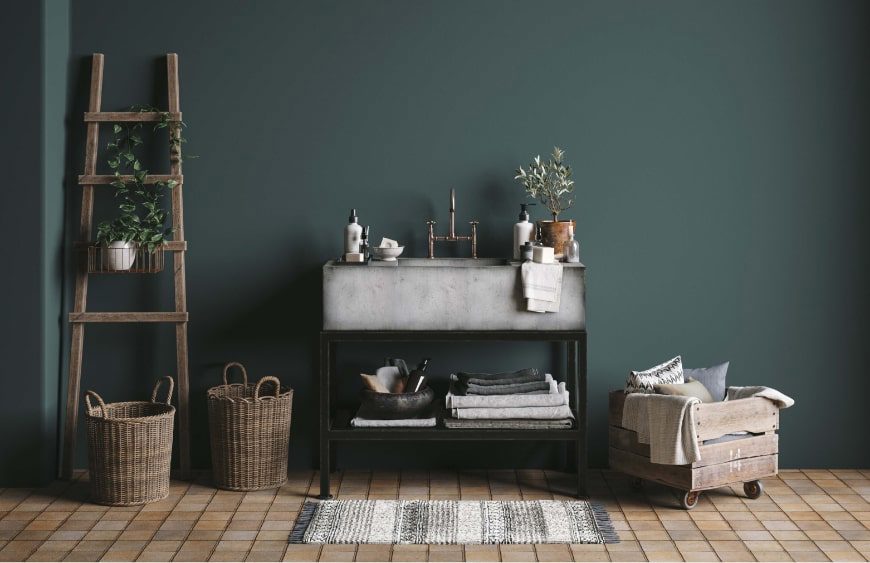
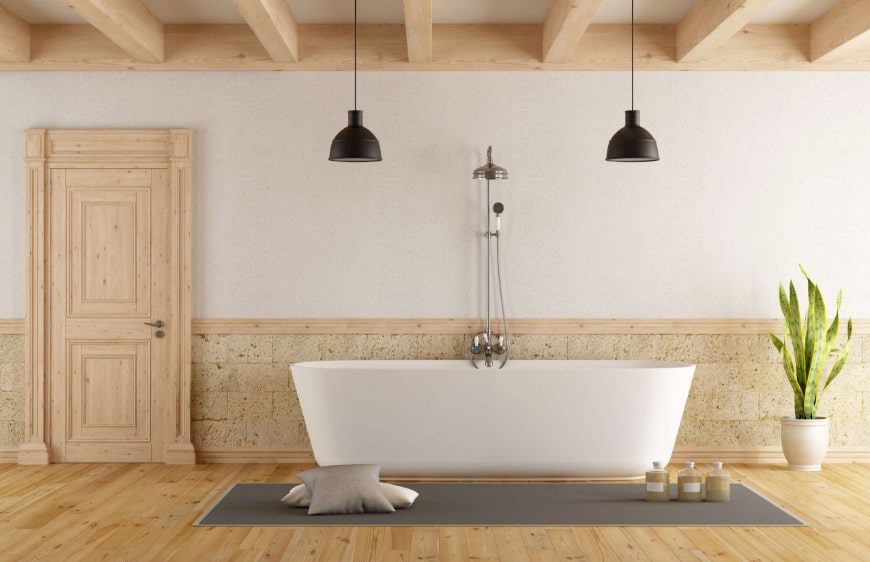
You have two closely related options, which you can combine or keep separate. The first is a soothing palette: neutral shades such as white, sand beige, bone, ivory and soft grey are ideal for a calm bathroom. They allow plants, furniture, wall decorations and decorative accents to stand out.For a more dramatic, woodland-inspired space, use an earthy palette drawn from soil and bark. Browns, cinnamon, taupe, dark green, pumpkin, burgundy, camel and anthracite grey work particularly well with darker wooden furniture such as walnut.
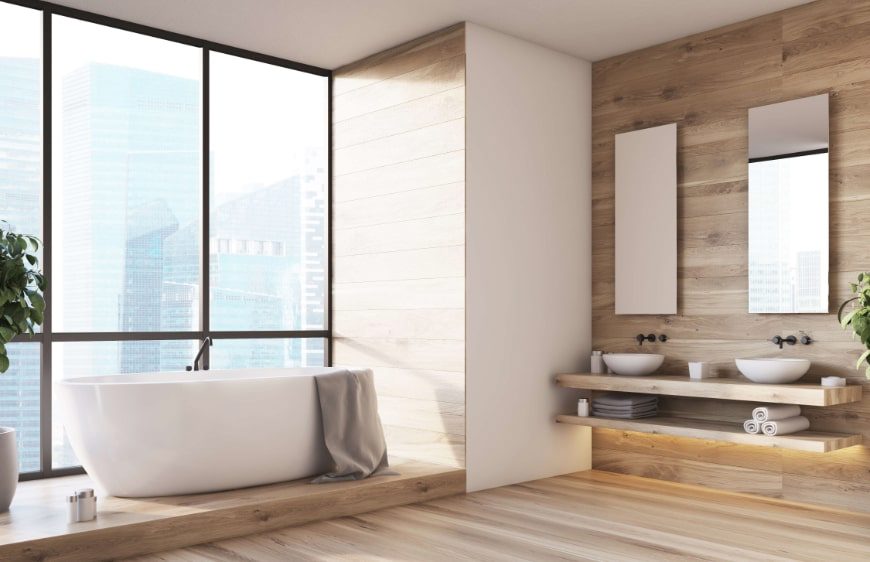
A Shopping List for Creating a Natural Bathroom Atmosphere
From materials and shapes to colours and details, this list can bring your bathroom's atmosphere closer to nature.
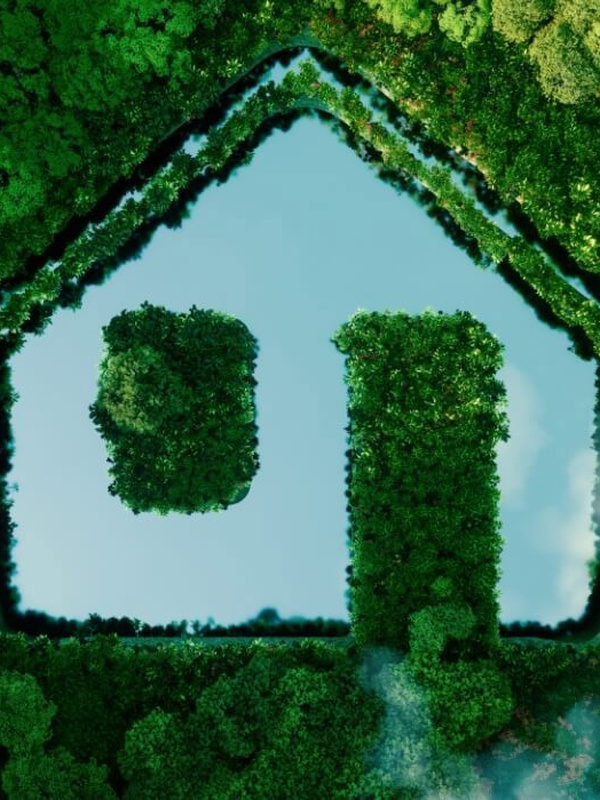
A home that breathes within nature is everyone's dream. Yet you can easily create this theme in your existing home and bathroom too. All it takes is thoughtful choices. Here is an enjoyable ten-step route to a natural bathroom atmosphere.
STEP 1
PAINT: Ideal colour palettes for a natural oasis
STEP 2
SURFACE COVERINGS: Turn to natural materials
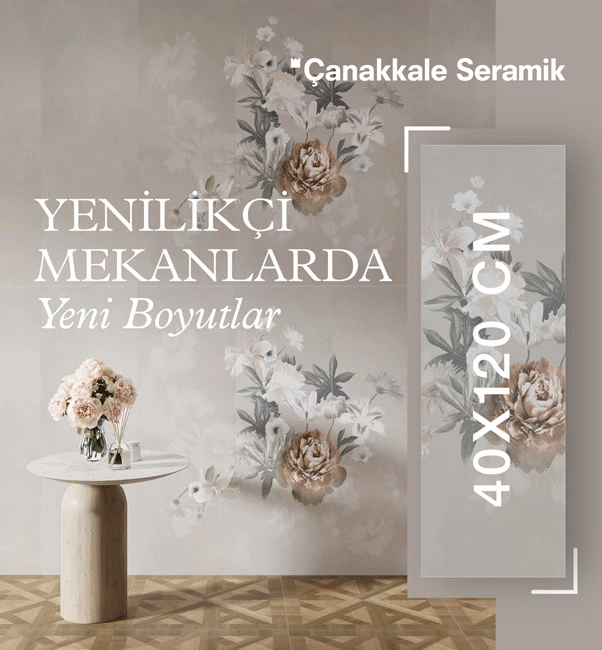
Wood and wood-look wall and floor surfaces are among the most important materials for creating a natural atmosphere. Untreated wood can warp in humidity, while treated wood or wood-look porcelain tiles offer greater durability. If you want the full beauty of wood in a more durable solution, Çanakkale Seramik's collections enriched with natural wood textures, such as Nordic, Wood, Chakra, Country, Woodream, Listoni and Legni offer countless options. Designed in different sizes and colour alternatives, these collections make it easy to achieve the natural atmosphere you want.
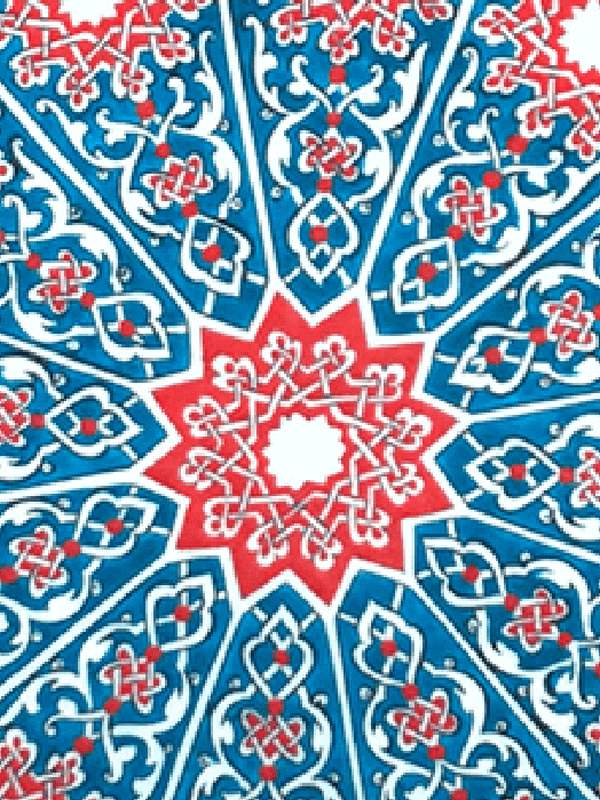
Ceramic tiles, porcelain tiles, marble, mosaics and traditional decorative tiles are among the foundations of these natural interiors. Porcelain and ceramic tiles are similar: both require minimal maintenance and are compatible with underfloor heating (UFH). Porcelain tiles are more durable, but colour and pattern are another important consideration. Stay within your palette and avoid busy patterns.
Although concrete suggests an industrial look, its raw appearance reconnects us with natural spaces, and concrete effects often feature in homes seeking this atmosphere. Because pouring concrete can be difficult, consider cement-effect tiles or quartz composites.Natural surfaces such as travertine are durable and, because they are porous, require care with a pH-neutral cleaner. Stone and stone-effect ceramic tiles are also good choices for surface coverings thanks to their natural slip resistance, provided they are not excessively polished, and their compatibility with UFH. Natura from the Çanakkale Seramik family combines travertine's appealing texture with bone, beige and noce shades. Its anti-slip properties make it suitable for outdoor as well as indoor use. You can use it confidently and comfortably in your bathroom, garden, veranda or around your pool.
STEP 3
FURNITURE AND SHELVES: Aesthetics and durability matter
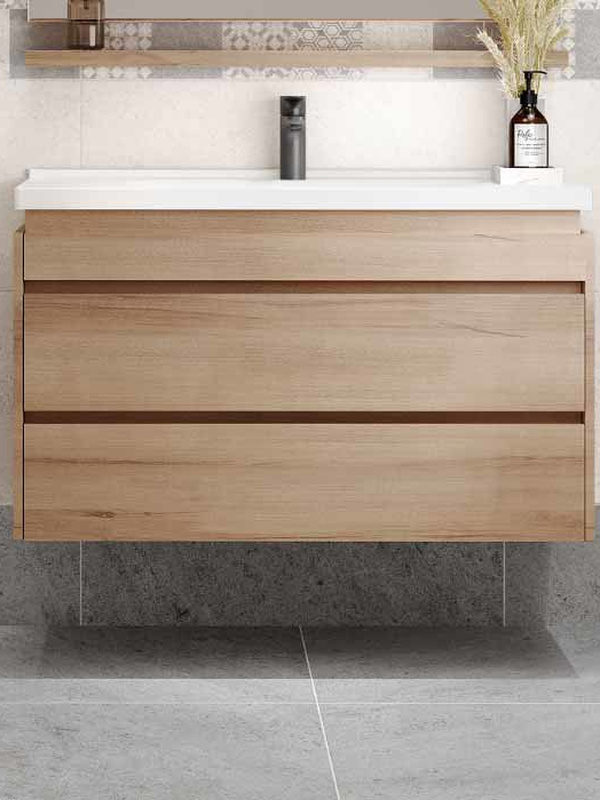
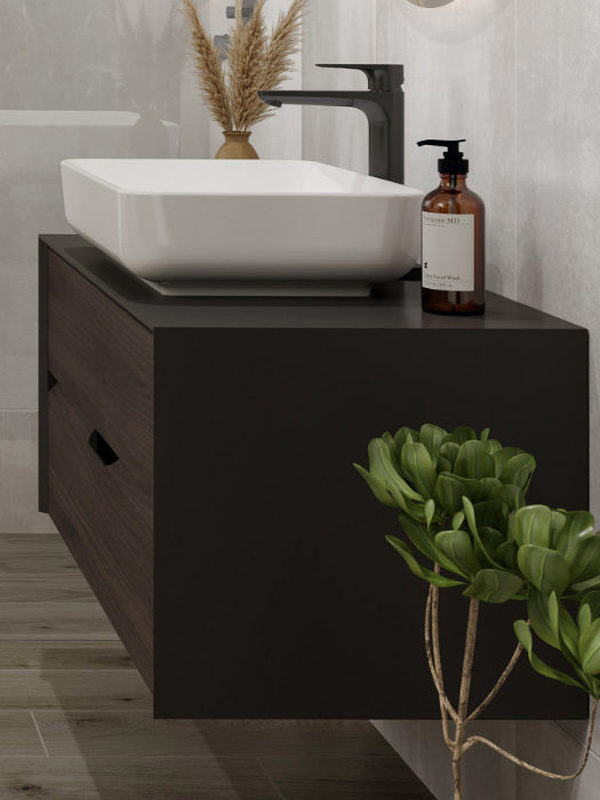
Adding natural wood to a cool bathroom makes it warmer and more inviting. Yet bathrooms are humid spaces, so all cabinet materials need to resist water and steam. Our hearts may always favour solid wood, but this material is not suitable for bathrooms: however desirable it may be, solid wood tends to expand and contract in humidity. Laminate is among the best choices for bathroom cupboards because it resists stains and water. Marks and scratches are less visible on matt laminate surfaces.
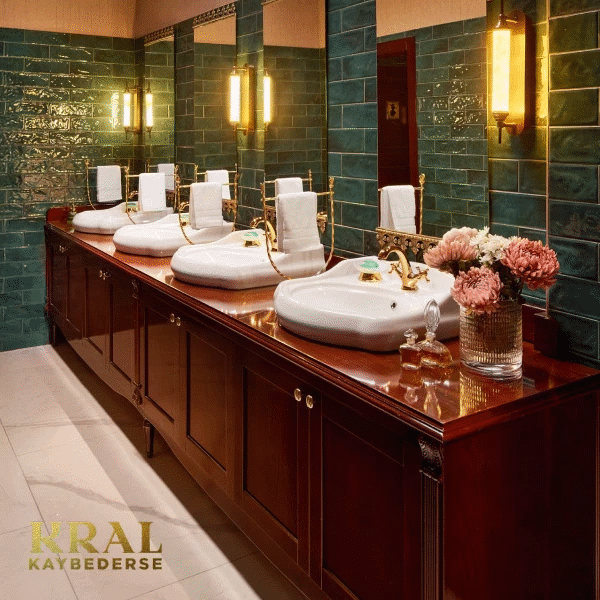
Bathrooms seeking a natural look also call for natural materials on their worktops. If you want to continue with wood, keep the moisture and water requirements in mind. Marble can also create this atmosphere through its natural veining. Quartz is another low-maintenance material that withstands harsh cleaning products, but whichever option you choose, we suggest staying within your palette and avoiding extravagant colours.
STEP 4
BASINS, BATHTUBS AND SHOWERS: The treasures of geometry
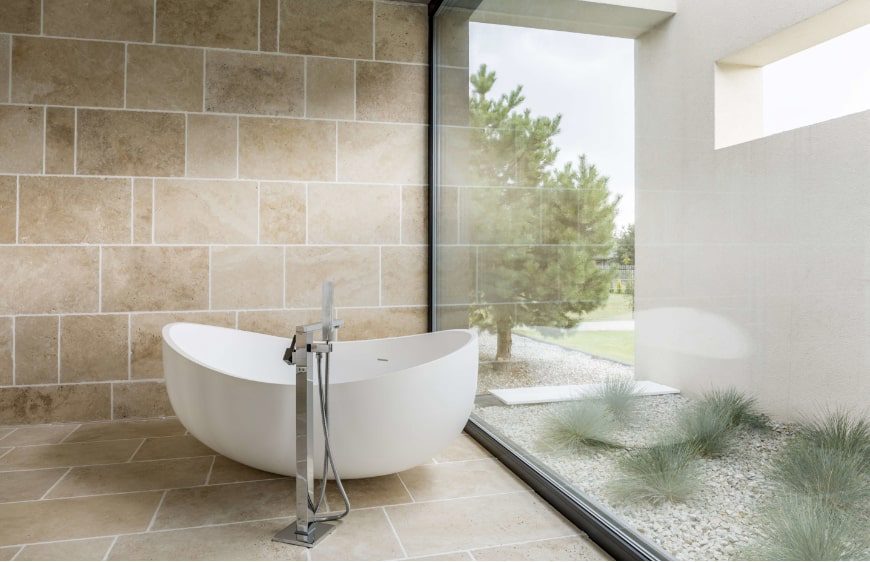
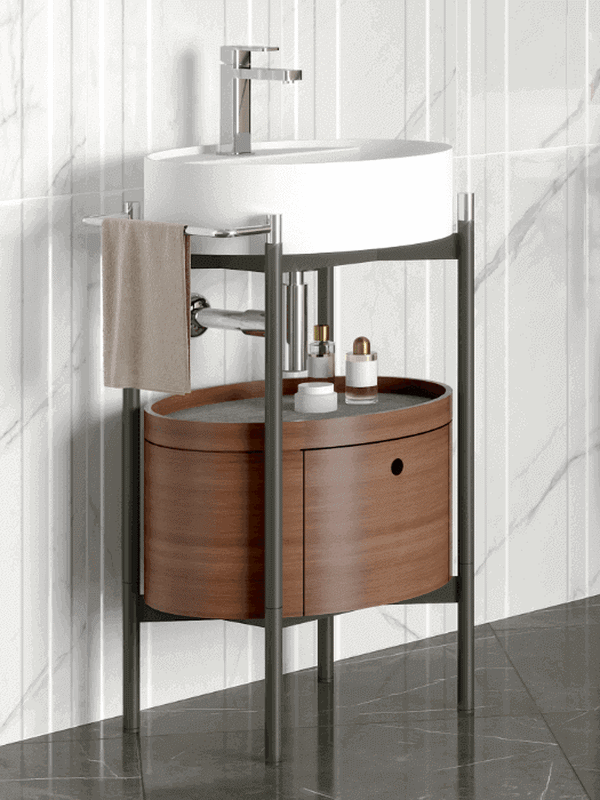
The beautiful elliptical and circular forms offered by geometry should be your first choice for basins, showers and bathtubs. Kale Banyo's Smartedge collection fits this concept perfectly. It offers the rounded lines we are seeking in basins, toilets and toilet seats, together with a palette that includes anthracite and taupe alongside white—colours well suited to a natural atmosphere.
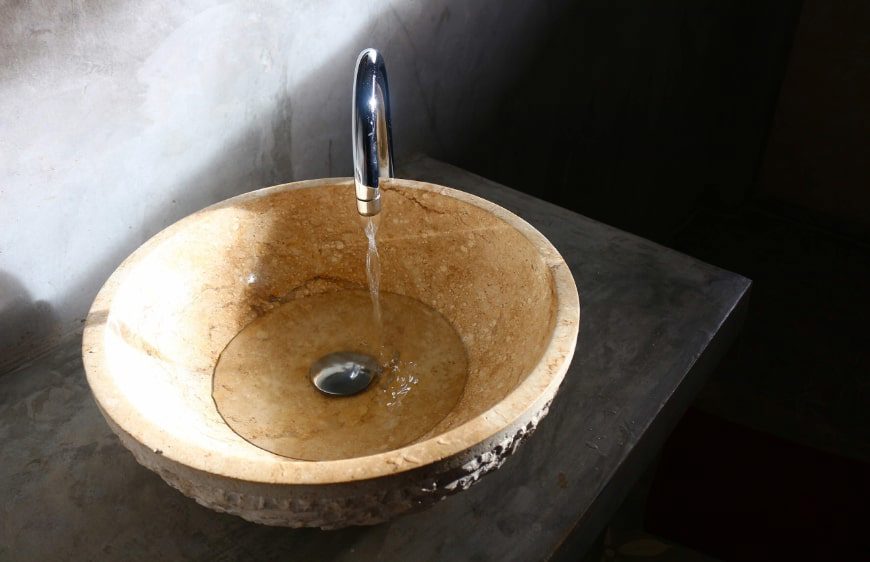
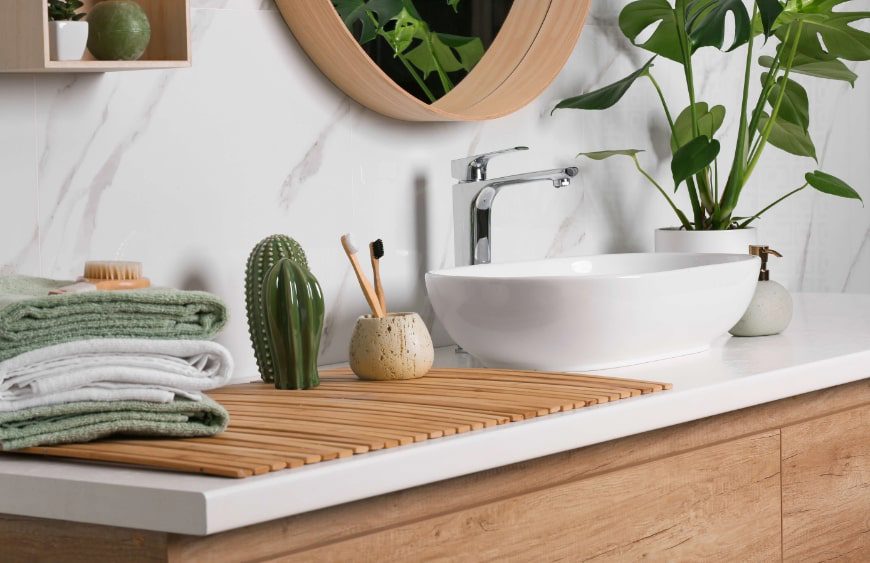
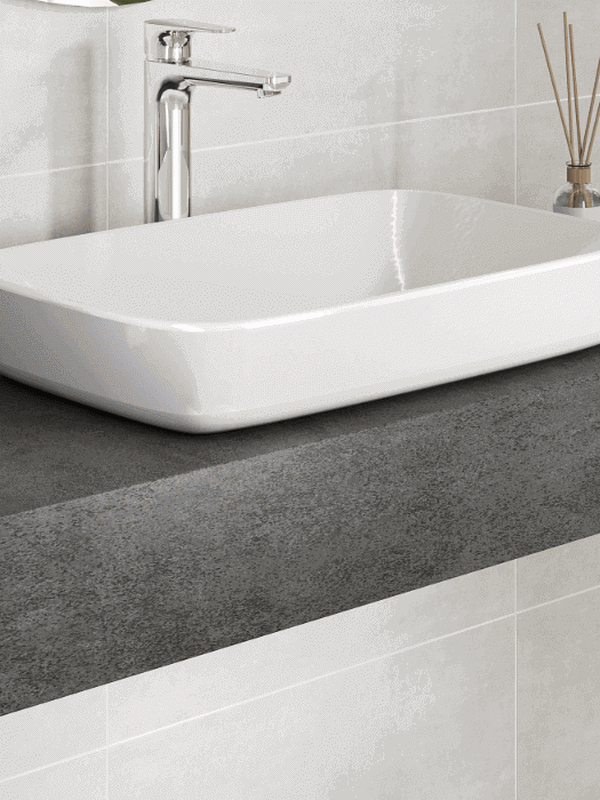
Marble and stone basins have become very popular in today's nature-focused bathrooms. Their textured, uneven forms complete the desired raw ambience. If you already have square or rectangular pieces, however, you can soften their sharp appearance by placing products with rounder forms and textures around them.
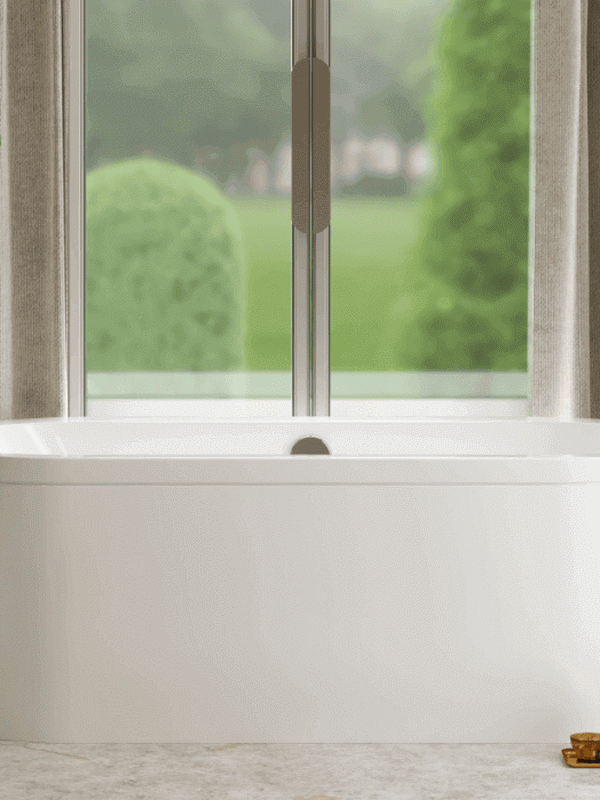
For bathtubs and showers, we again recommend soft forms. Elliptical or asymmetrical options are good choices. Kale Banyo's Babel sanitaryware collection reflects rounded lines while offering different solutions for those seeking a coherent bathroom. Its asymmetrical bathtubs are complemented by a broad range of basins, toilets and bidets with the same gentle contours.
STEP 5
FITTINGS, TAPS AND SHOWERHEADS: Simple, eco-friendly products
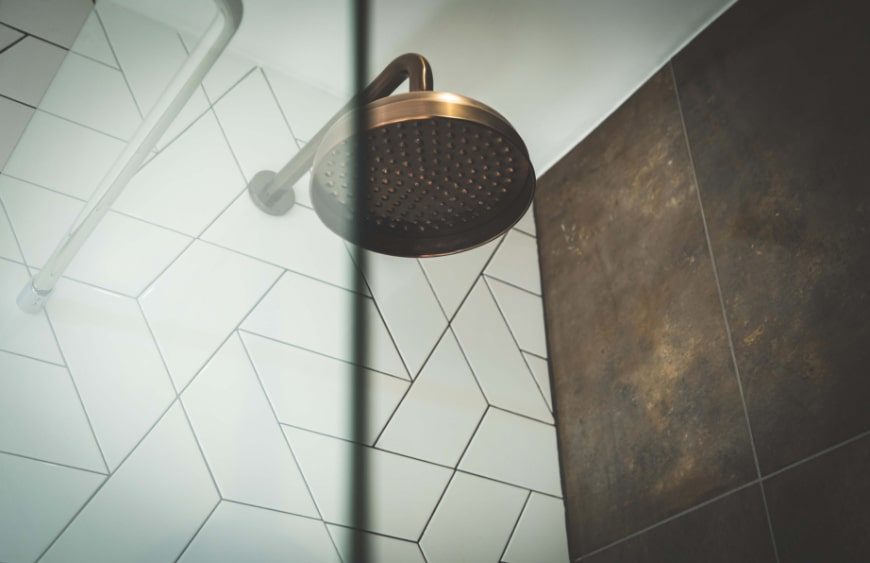
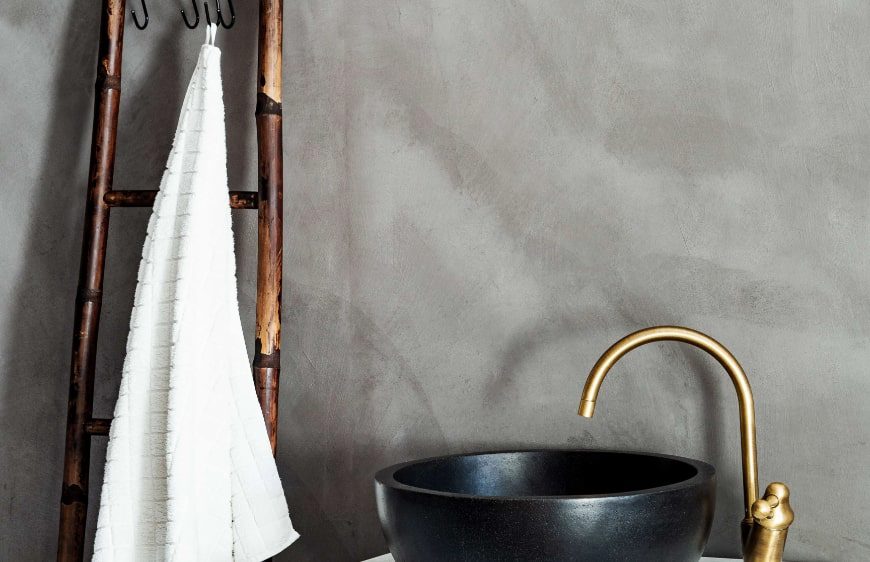
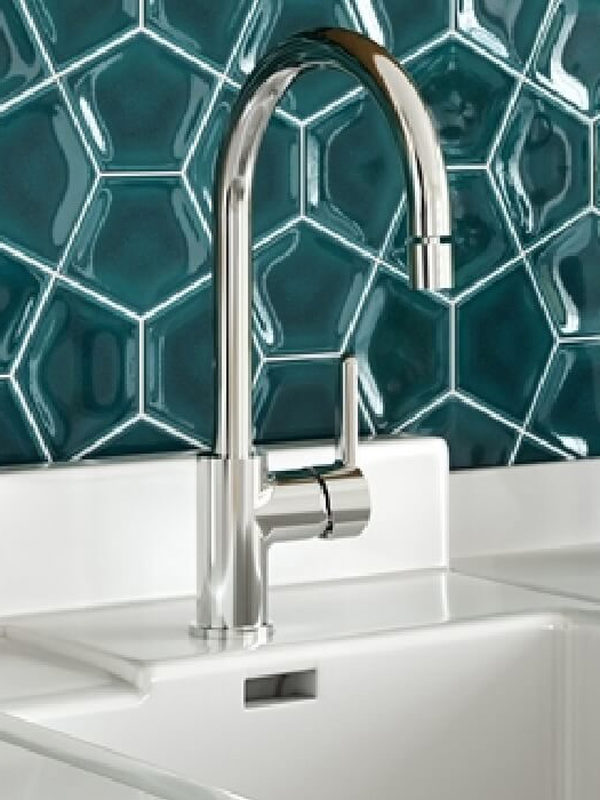
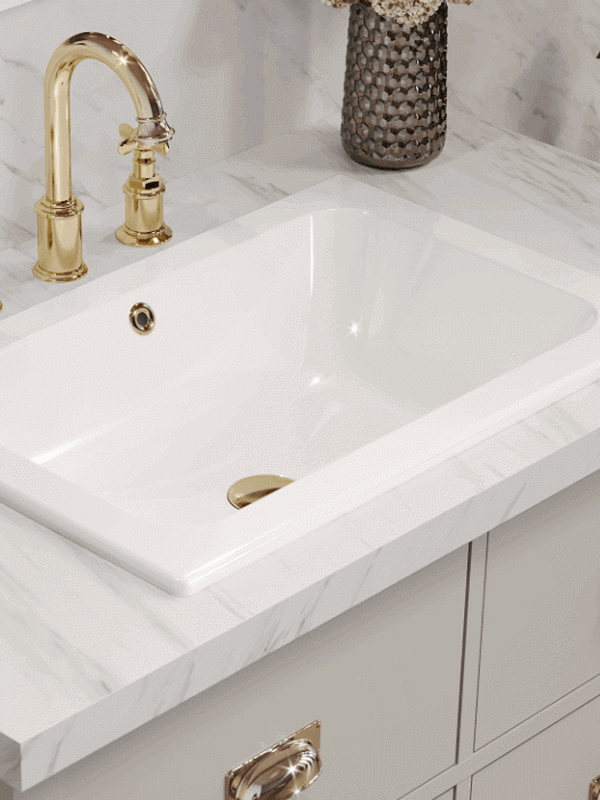
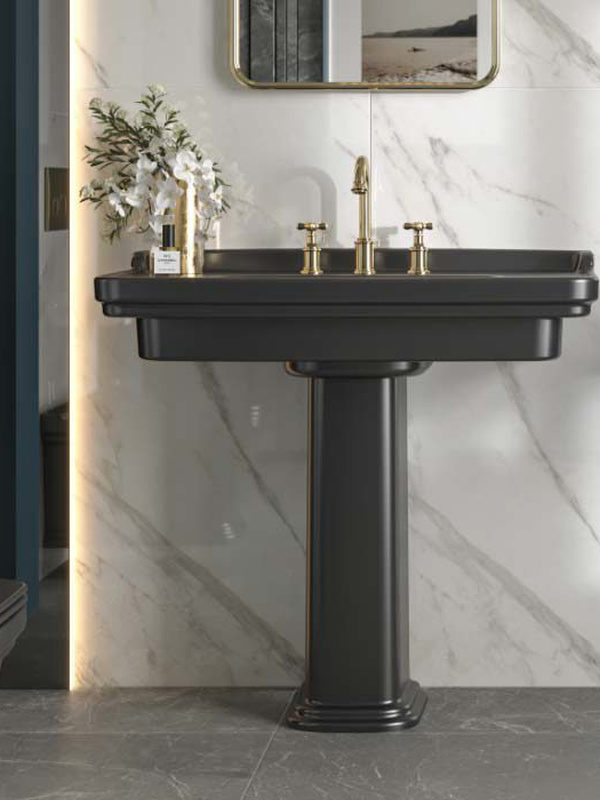
Simple, modern and minimalist options should top your shopping list. Chrome is not your only choice of colour and material. As we will soften the bathroom's raw natural atmosphere with daylight, plants, textiles and wicker in later steps, you can complete it with fittings, taps and showerheads in warm tones such as copper and brass. The key is to avoid drifting towards rustic options. Choose the simplest forms possible. While creating a natural atmosphere, remember to be kind to nature too. Sensor-operated, water-saving and low-flow products will complement the space's philosophy.
STEP 6
PLANTS, TREES AND FLOWERS: Embrace greenery
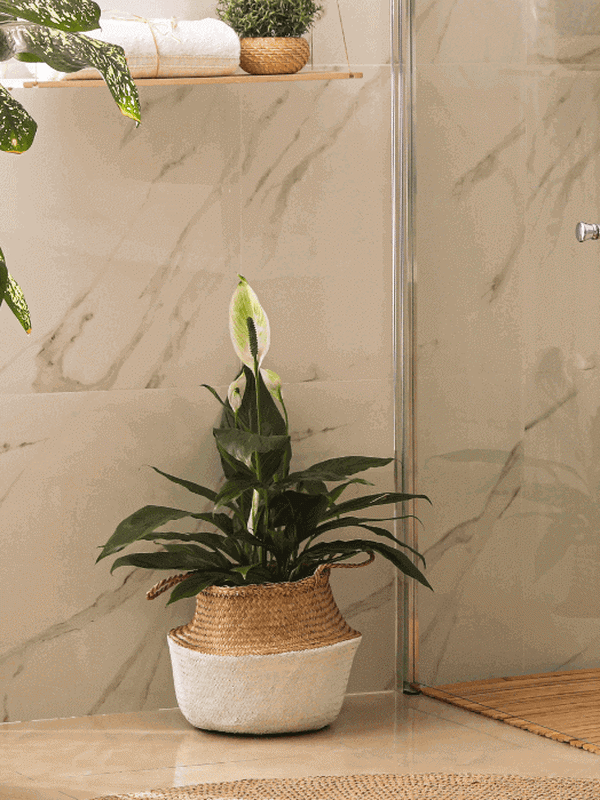
Green textures help create both a nature-inspired atmosphere and a healthy environment. Flowers, plants and trees that trail from shelves, freshen the basin area or enliven forgotten corners add personality and nature's energy. Bathrooms usually have lower light levels and higher humidity and temperatures than other rooms, however, so the choice of suitable plants is limited. Aloe vera, bamboo, begonia, ivy, Boston fern, snake plant, Chinese evergreen, dieffenbachia, Madagascar dragon tree, orchid, peace lily, monstera and zamia are among the plants described as ideal for bathrooms with low temperatures and infrequent watering.
STEP 7
TEXTILES: A journey into raw textures
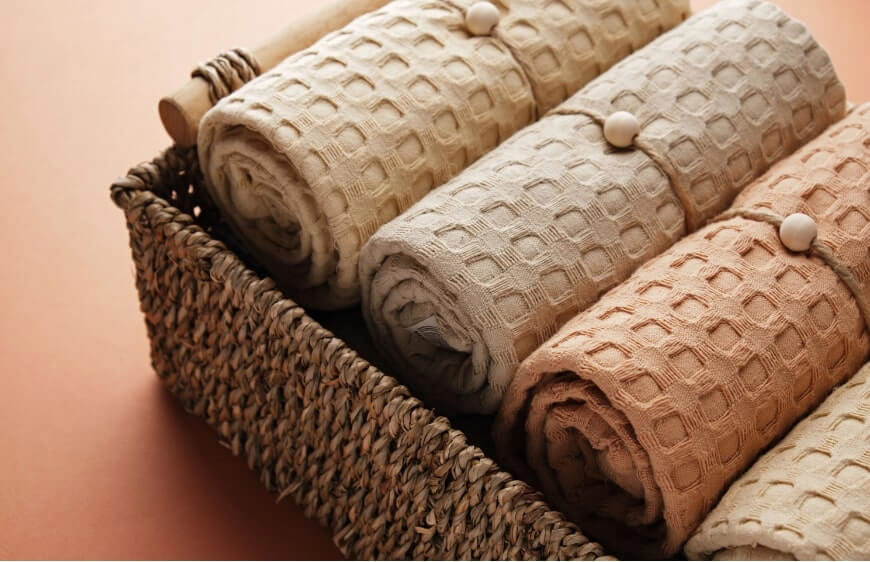
When it comes to popular natural bathroom fabrics, cotton undoubtedly tops our list. Cotton towels, bathrobes and mats benefit health and wellbeing while also completing the natural look. Made from the fibres of its own plant and part of a centuries-old textile tradition, linen ranks among the best natural materials for both interiors and clothing. You can even continue the linen texture through fabric baskets. When choosing cotton- and linen-based textiles, however, make sure they have not been treated with heavy metals, formaldehyde, chlorine bleach or other toxic dyes.
A note: Egyptian cotton textiles still dominate bathrooms around the world, but Turkish cotton also holds an important place in the market. Its extra-long fibres are taking it towards the top of the “most absorbent textiles” ranking. Turkish towels also use ring-spun yarn, unlike the standard loop weave of conventional towels. This makes them smoother, with more tightly packed fibres, improving durability and allowing them to dry faster.
STEP 8
PERSONAL CARE PRODUCTS: Prepare to be pampered
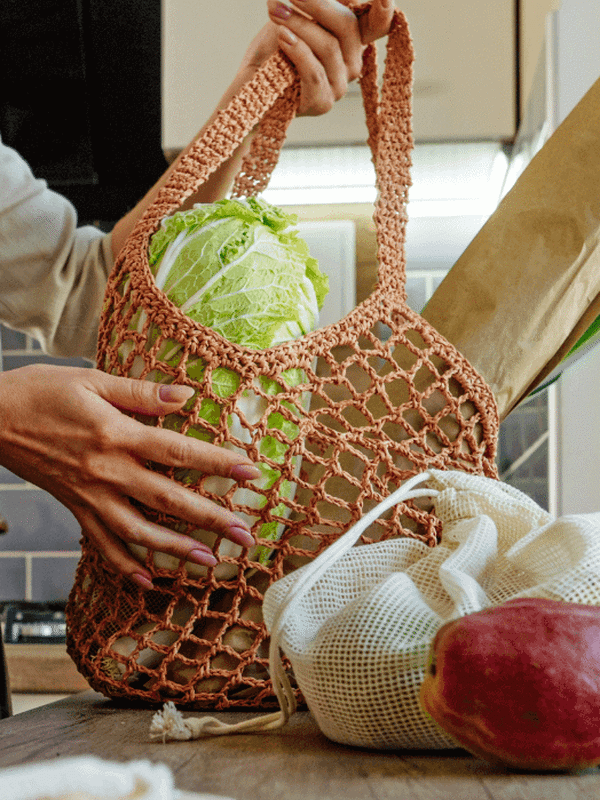
Since we are creating an environmentally friendly bathroom, we can choose natural, eco-conscious products for this category too. Skincare with plant, flower and fruit extracts, bamboo toothbrushes, organic body soaps, cosmetics sold in recycled packaging, bar soaps and paper products made from sustainable materials, such as toilet paper and wet wipes, offer ecological choices that can protect mental and physical wellbeing while helping you become a more environmentally aware consumer.
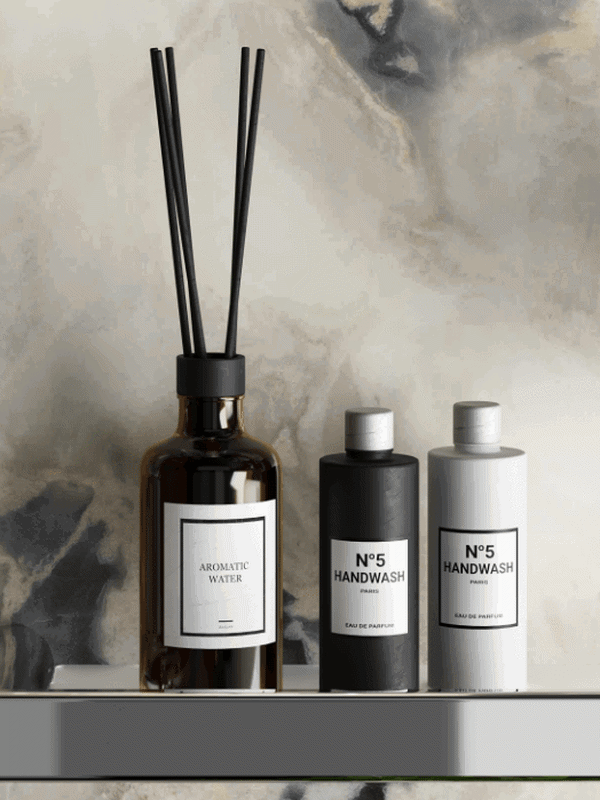
A rewarding experience of nature also begins with scent, soothing and relaxing you as soon as you enter the bathroom. Use aromatherapy fragrances to complete the natural atmosphere. Add soaps, candles and essential oils scented with fresh mint, eucalyptus, lavender, jasmine, ylang-ylang, tea tree, rose or vanilla to your shopping list, helping you step away from daily life and relax your senses.
STEP 9
DECORATIVE ACCESSORIES: Details enhance the space
Now for the most enjoyable part: your decorative accessory shopping list might include wicker baskets, bamboo lighting, marble and wooden soap dishes, macramé plant hangers, glass vases and jars, ceramic and brass jewellery bowls, and a ladder made from wooden branches—pieces that bring beauty to the space.
STEP 10
ART: Do your walls speak?
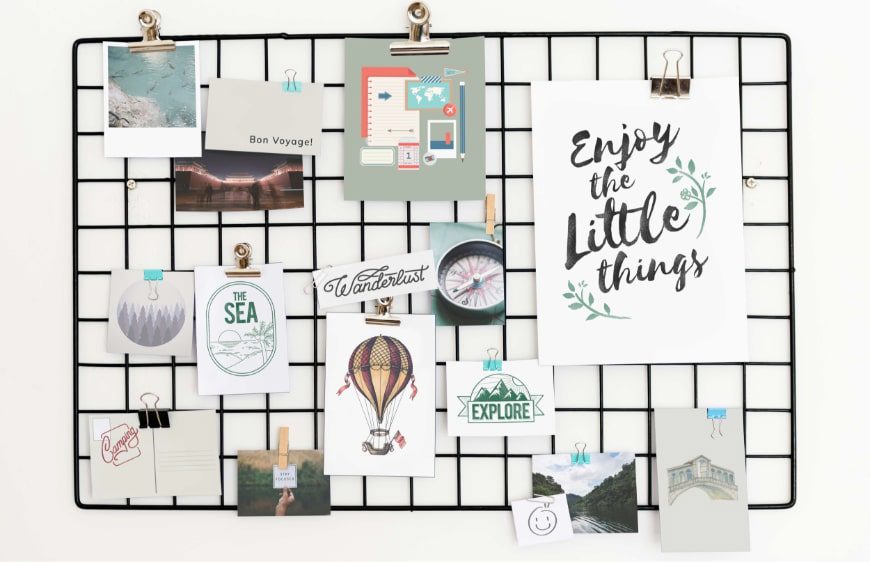
Alongside accessories, you can choose decorative elements for the walls. They bring movement to surfaces that might otherwise become monotonous with shelves and units, while visual or written messages boost daily motivation. Examples include pictures arranged with dried leaves or seashells, maps marking the route of an unforgettable holiday, photographs and postcards recalling happy memories, natural woven wall plates, fish- or oyster-shaped decorative plates, prints made on paper with stones and flowers, or panels bearing words that energise the day.