








Success
Your request has been successfully received. We will contact you as soon as possible.

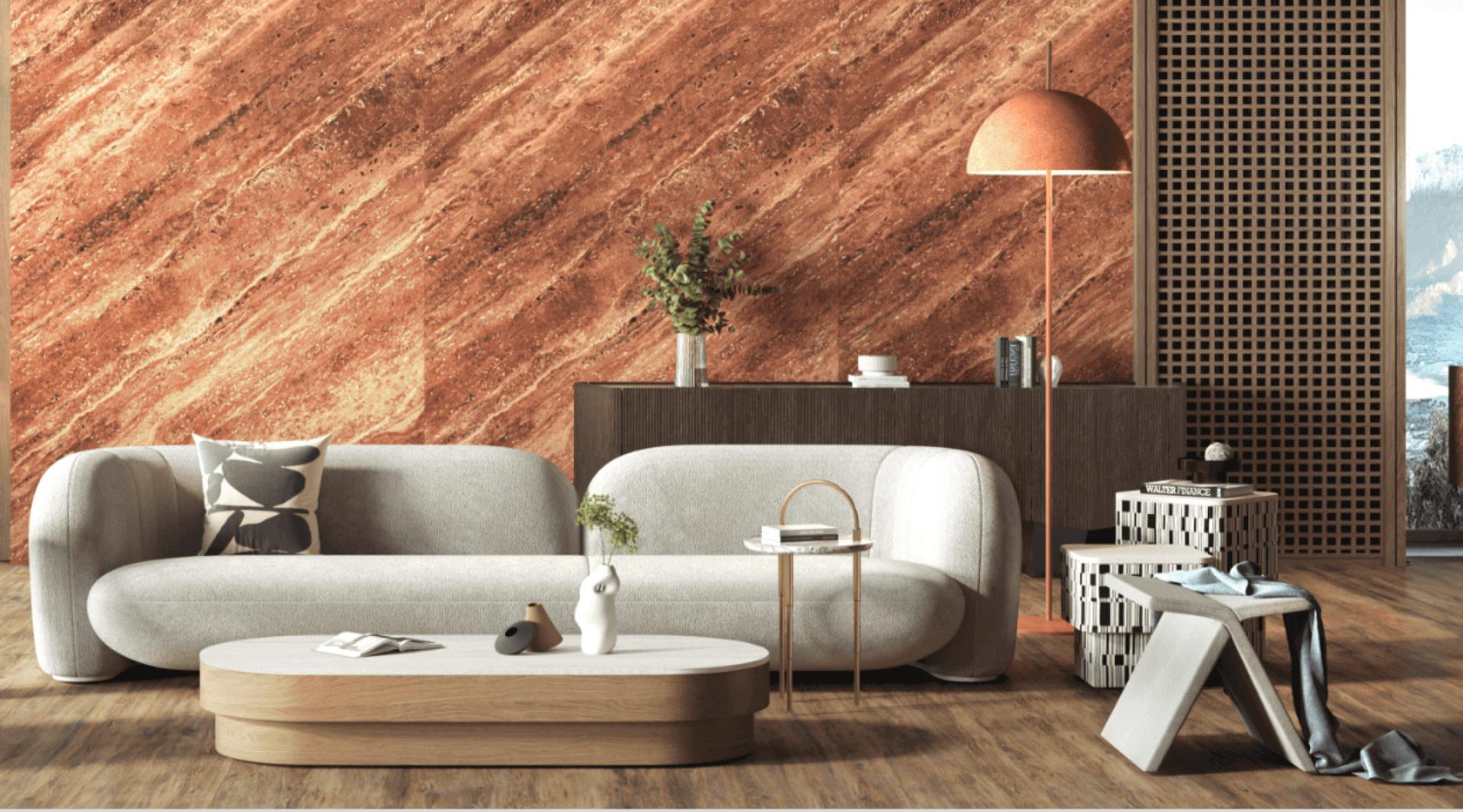
A home-organising approach with a simple motto: let go of possessions that weigh you down and put an end to clutter. The world-renowned KonMari method now has what might be seen as a more uncompromising counterpart: Swedish Death Cleaning. In this article, we explore the approach and how to apply it to our living spaces.
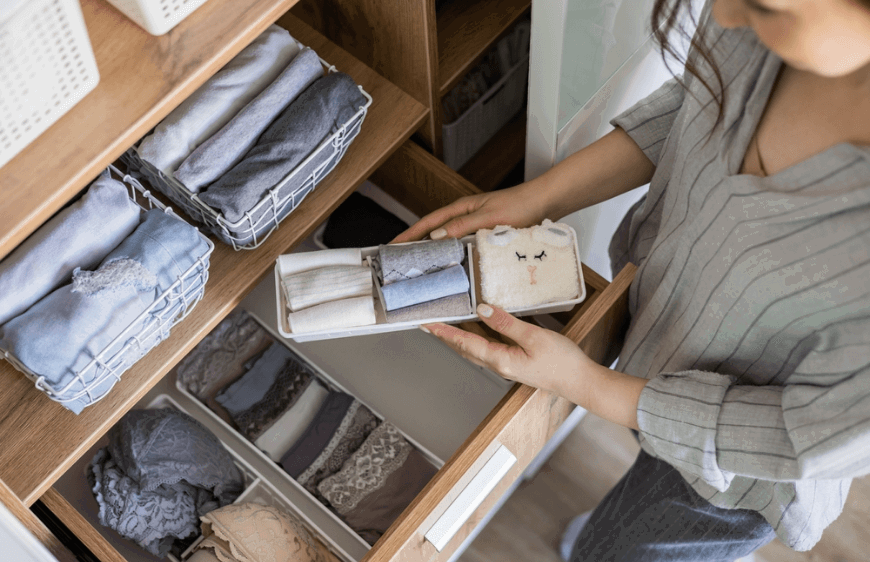
Creating a peaceful, enjoyable sense of order in our living spaces is one of our key priorities. There are a few subtleties to making a home feel comfortable and relaxed. A balanced approach matters just as much to organisation as it does to appearance. With that in mind, let's explore the importance of staying organised to create a home that takes up as little of our busy day as possible and is easier to keep tidy.
KonMari is one of the first methods that comes to mind when we think of organising drawers and cupboards, and it has earned a worldwide reputation. It is a comprehensive process with both psychological and decorative dimensions. Now, we turn to Death Cleaning, an approach being presented as an extension of KonMari. For those who believe in the power of a fresh start, this article explores how the method works and what it aims to achieve.
Letting go of possessions that weigh you down and clearing away clutter: Death Cleaning focuses on removing unnecessary details from our lives. The distinction from KonMari is that KonMari includes a stage of considering the emotional meaning of the belongings we sort through. Death Cleaning, by contrast, encourages us to move past that emotional hesitation and identify the items that should leave our homes if they no longer serve a purpose.
Beginning with organising your living space and clearing clutter, Death Cleaning aims to leave you with only those possessions that can be useful to you or to younger family members in the future.
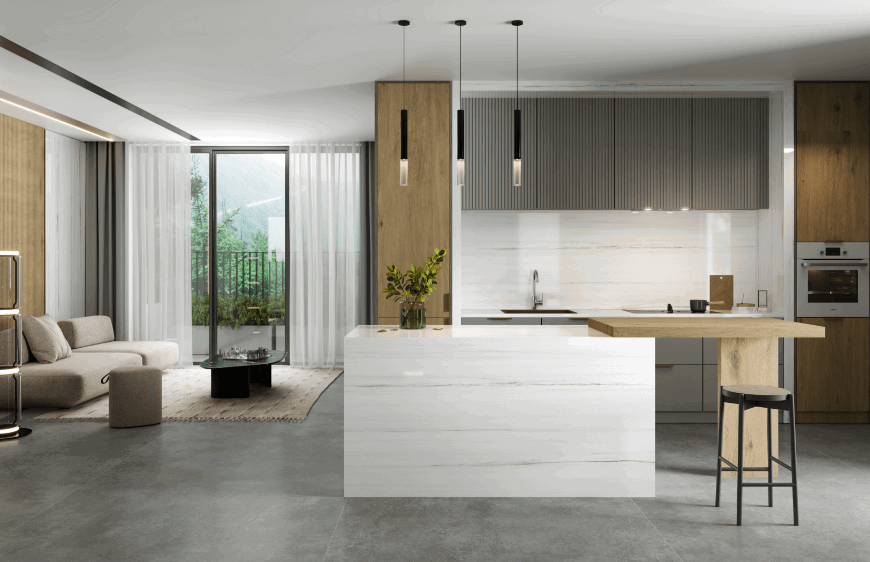
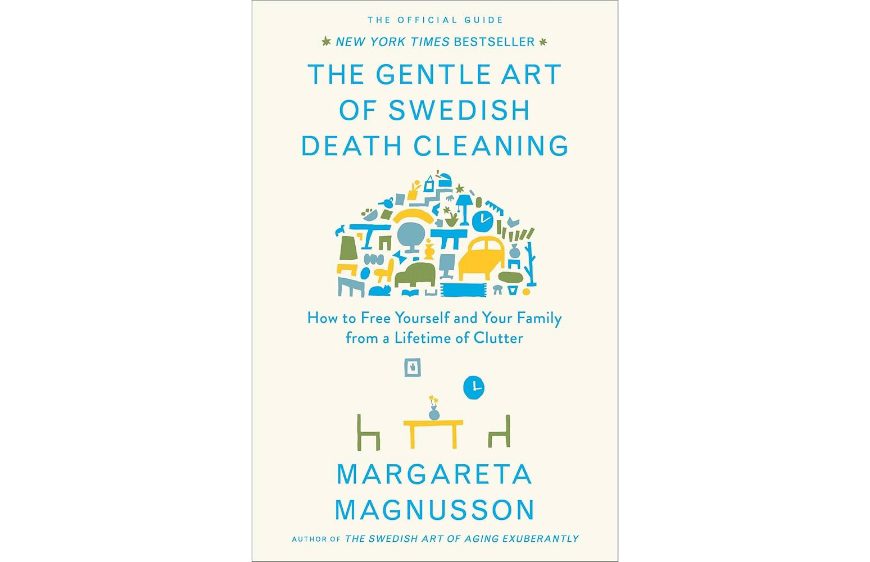
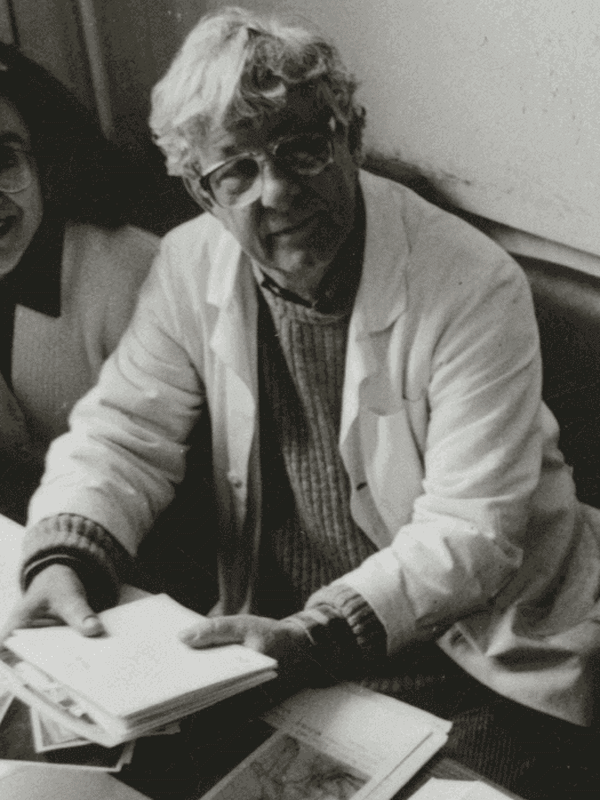
The method comes from Swedish artist Margareta Magnusson's book, 'The Gentle Art of Swedish Death', which appeared on the New York Times bestseller list. The book helped take the approach from Sweden to a worldwide audience. Its author explains that Death Cleaning is primarily intended for people approaching the end of their lives, but that, as with many processes, there are benefits to starting earlier.
Written after the traumatic loss of her mother and husband, the book reflects the author's need to lighten the burden of possessions. She advocates this method as a way to ease the grieving process after losing loved ones and to identify which of the belongings they leave behind are truly valuable. It also offers an effective way to clear clutter from the home. Although it may seem sombre, it is rooted in care and makes room for what matters.
Death Cleaning is about more than keeping the things we need during our lifetime; it also raises the question of consideration for others. The first step in decluttering is to begin with places we do not usually see. Starting in the basement or storage room, remove anything that is neither needed nor valued. Furniture, books and collections can follow. During this process, each member of the household should make a list based on their own priorities.
Not keeping objects with which you have no emotional connection is an important part of this method. Next come drawers and cupboards. Anything that has not been worn or used for more than a year can be donated or sold. The final stage focuses on letters, photographs, notes and family heirlooms. These important items can be given an organised place in the home, stored in a separate box or dedicated area. You can also add a note to the boxes identifying particularly meaningful pieces that you would like future family members to keep.
Despite its seemingly negative name, Death Cleaning is simply a different approach to household organisation and clutter. A mindful, considerate way of getting organised, it encourages us to focus on how possessions can make life easier, rather than allowing them to take over our lives.