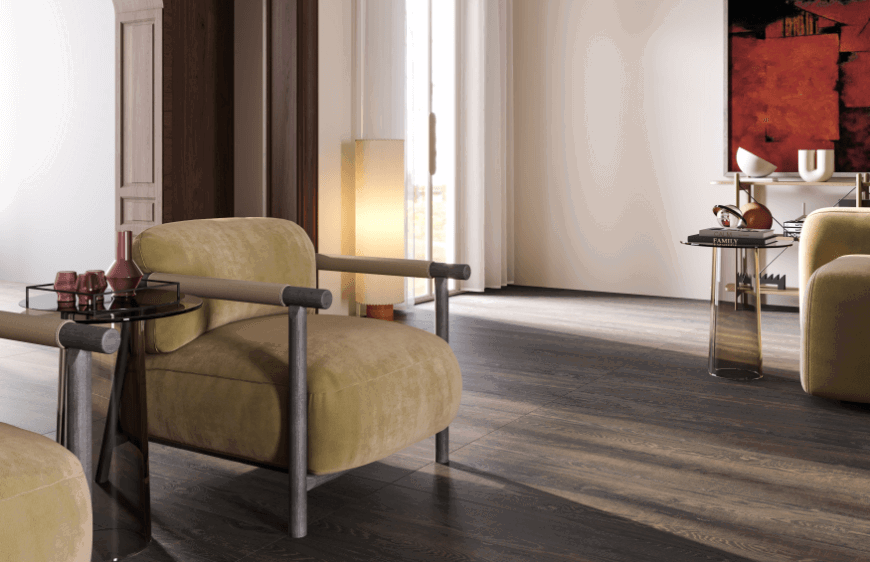
Interiors, whether homes or offices, are among the first places that meet our need for personal space. Focusing on the home, we always need to create a comfortable, stylish and functional environment. Although we can shape it around our tastes and the way we use it, certain needs remain regardless of the style we prefer.One of the most important is a sense of space, which is the subject of this article. As architecture changes and homes become smaller than before, we need to think more practically. Here you will find answers to questions such as what choices to make in small living spaces and which steps create an airy home.
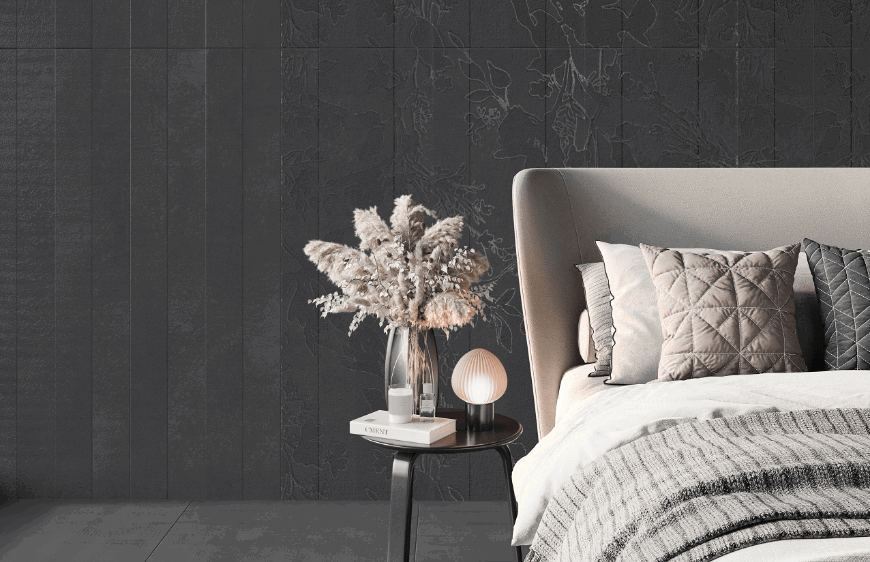
A Guide to Decorating Small Homes with Functional Choices
Our home is our personal space and refuge. Every corner of it reflects who we are and how we live, yet homes are now designed more compactly than in the past. Let us explore what we can do when decorating a small home.
A small-space approach to home décor
Providing comfort and beauty in our interiors is important, but both depend on spaciousness and functionality. A living space in which we do not feel comfortable or at ease has not found the right style and moves away from comfort. Our priority should therefore be a home that feels open and airy.We are indeed living in smaller homes, with more compact bathrooms, kitchens and hallways. The most practical approach is to consider the whole home while working through it room by room. Identifying functional solutions based on each area's particular needs will also give us greater freedom to personalise our spaces.
Functionality in the living room or main space
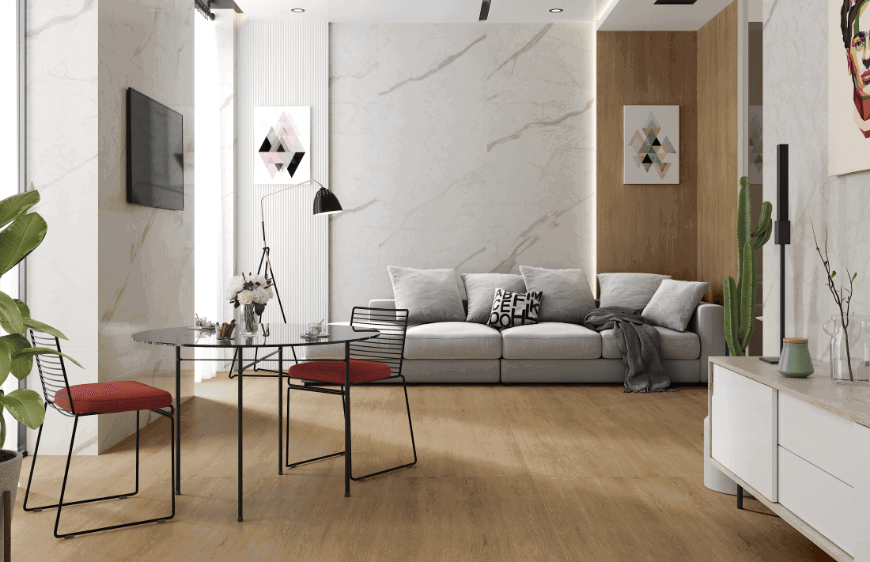
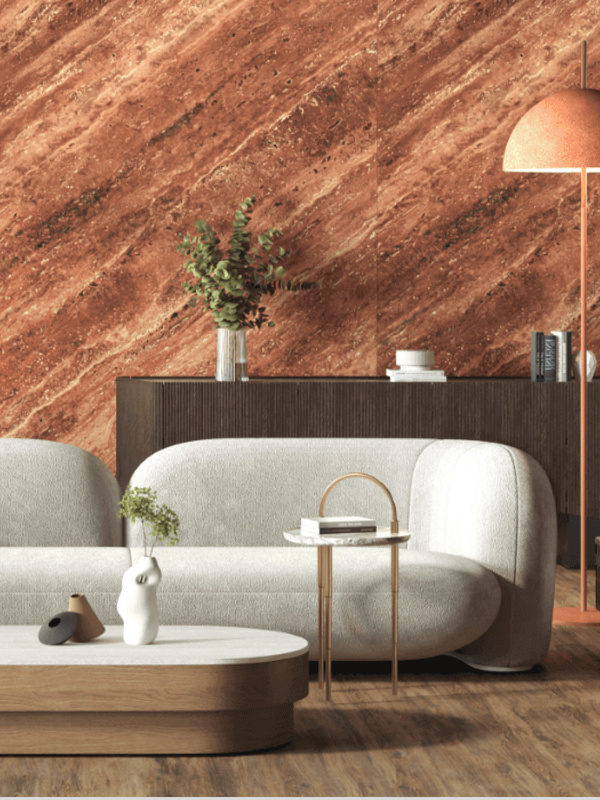
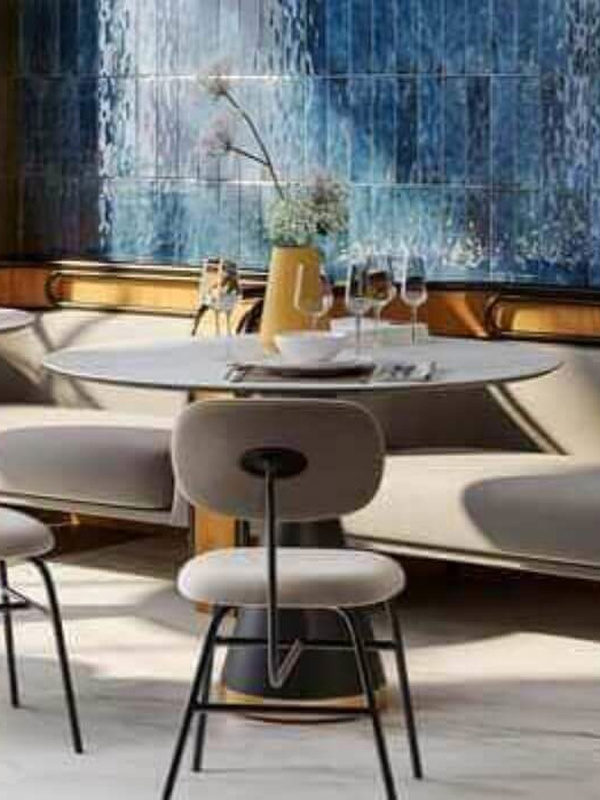
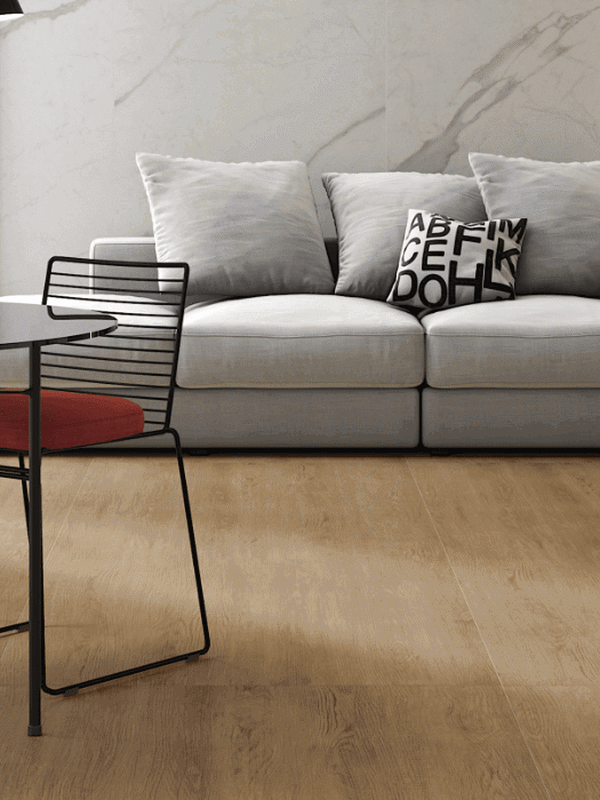
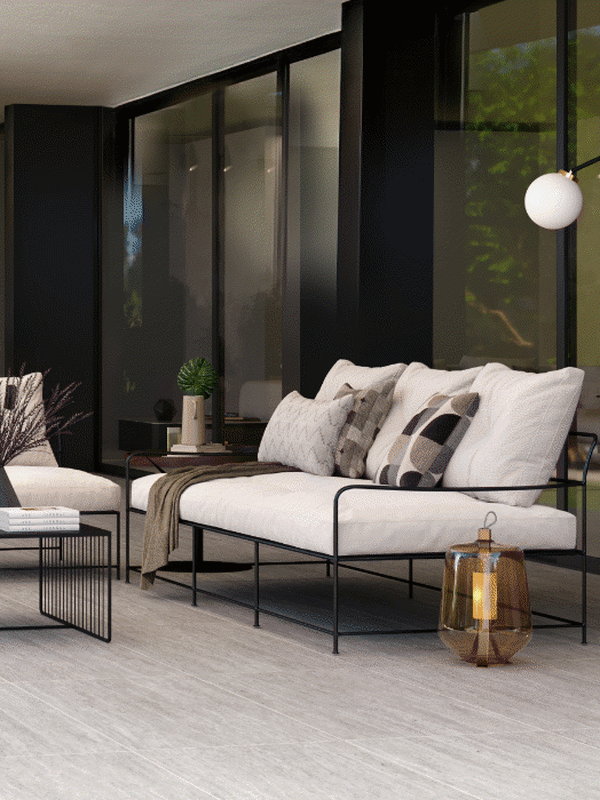
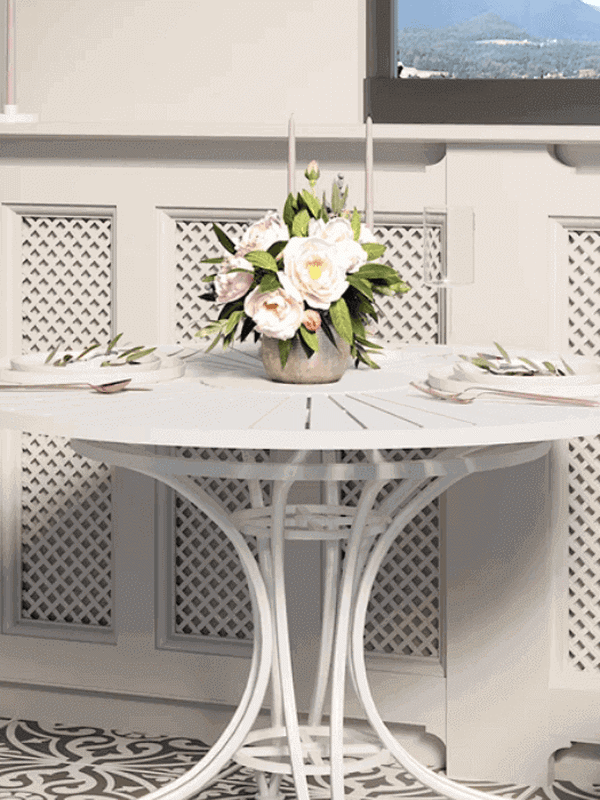
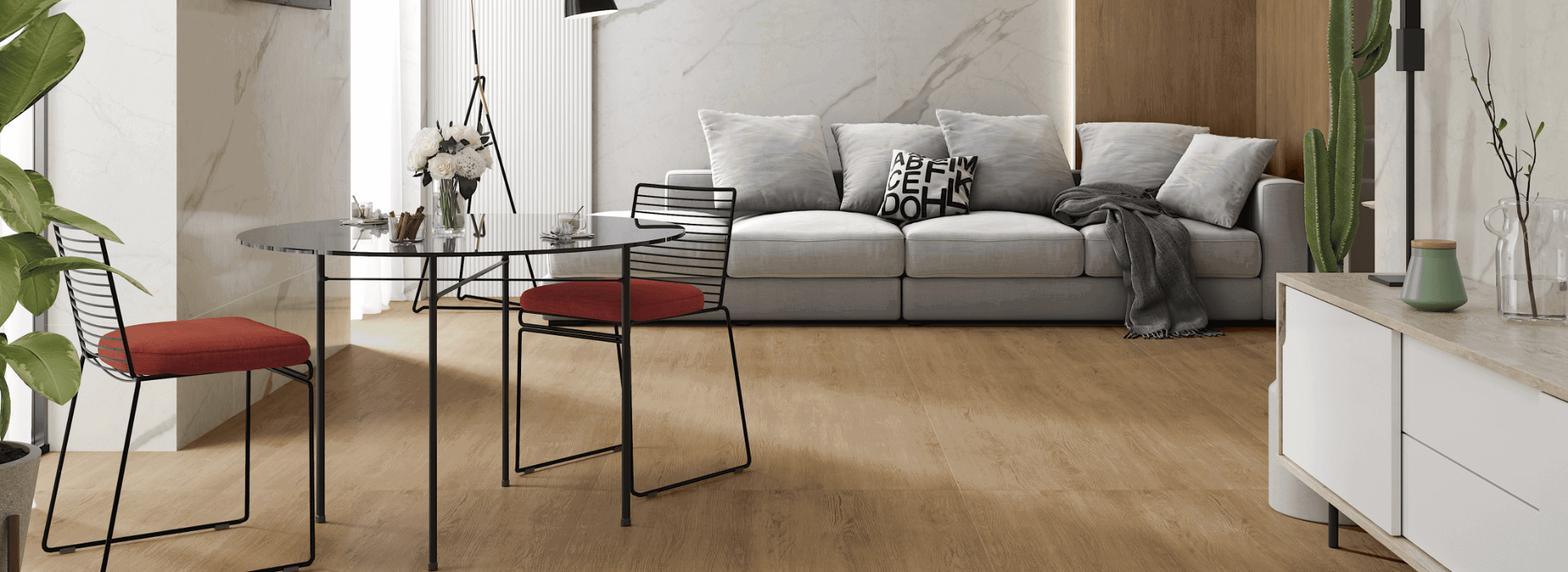
Let us begin with the home's largest shared area: the living or sitting room. Since we spend much of the day here and welcome guests, a sense of space matters. What should guide us when choosing essential pieces?In a small home, occasional tables should be easy to move, perhaps stackable, and certainly compact and minimalist. Instead of broad, imposing legs, choose slender supports or versions with space underneath for storage or magazines. The same applies to coffee tables. Consider rounded rather than angular shapes, with designs that taper towards the base instead of appearing bulky. Remember that these pieces can also provide useful concealed storage.

Combining a console table with your television stand can save considerable space. If you still want to use the console's top for display, you could switch to a projector, which takes up much less room. If you need plenty of space for books and accessories, we recommend vertical, wall-mounted storage.
Creating functionality in bedrooms
If the bedroom also needs to accommodate wardrobes, design one uninterrupted wall as storage to create a simple, continuous appearance. This visually restful approach allows the dressing area to act as a backdrop and helps the room feel more spacious. In a small bedroom, consider a bed with built-in storage.Wall-mounted bedside tables raised off the floor create a lighter, more restful look. Wall hooks for a dressing gown or a few clothes you want close at hand add a minimal, lived-in touch without visual clutter. Finally, choose a storage bench for the foot of the bed to conceal bulky bedding neatly.
Small functional touches for hallways
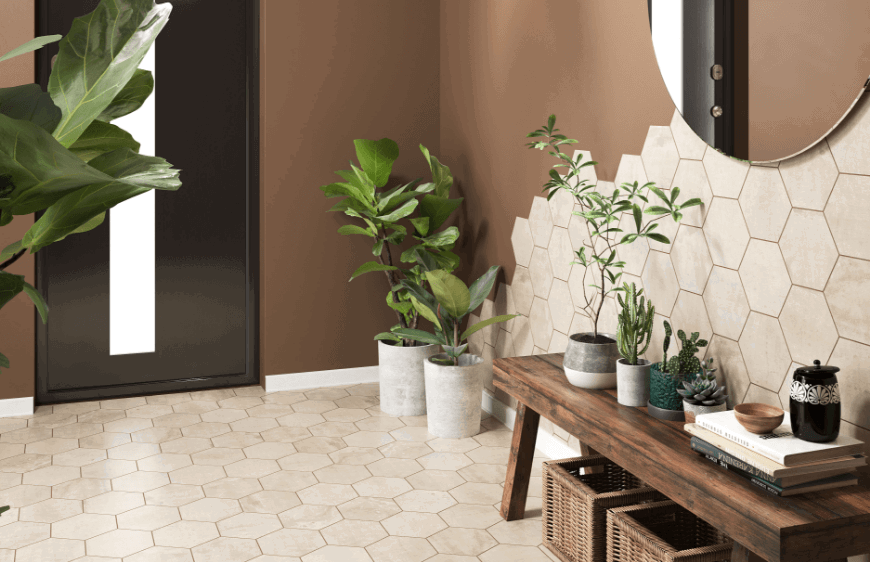
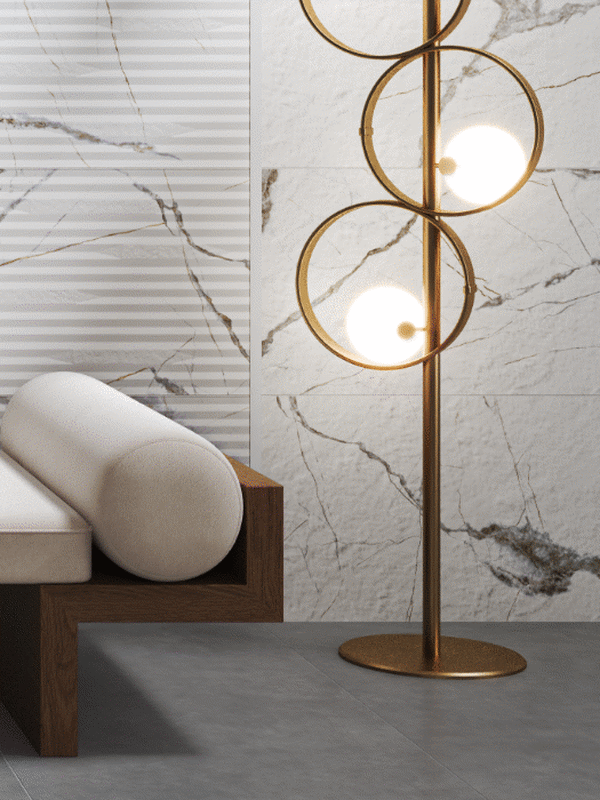
Hallways have an important role as the home's welcoming spaces. Choose lightweight console designs with slender legs. Even a few small drawers can be useful here, while large decorative baskets create additional storage. Meeting both your decorative and storage needs with a single piece is a welcome solution.