The technological revolution of recent years suggests that we can manage the world without leaving our seats. One of its greatest gifts to home life is that working from home has become part of everyday living, with home-based and office-based workers now almost equal in number.
8 Steps to Creating the Ideal Home Office
The 2020s have become an era for professionals who have left traditional offices to work in the comfort and calm of home, or who work for organisations that embrace remote working. Let us get to work with eight creative steps towards a home office that improves productivity, strengthens focus and makes working more effective.
If setting up a home office were simply a matter of buying a desk, many of us would probably have done it already. Creating a functional workspace at home, however, requires a little more planning.
A home office should first be designed as a place that encourages thought and concentration. As your own environment, it should reflect your personal style, provide what you need for comfort and display details that are meaningful to you, such as art, collections or sporting interests. An easy-to-use desk, an ergonomic chair and suitable lighting provide the practical foundations. Let us begin creating an ideal home office.
- Choose the Right Colour Scheme
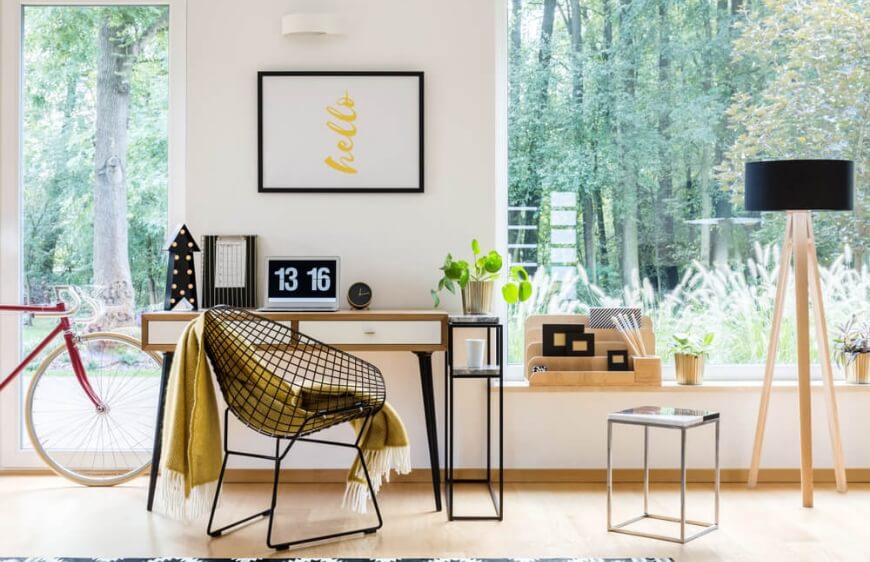
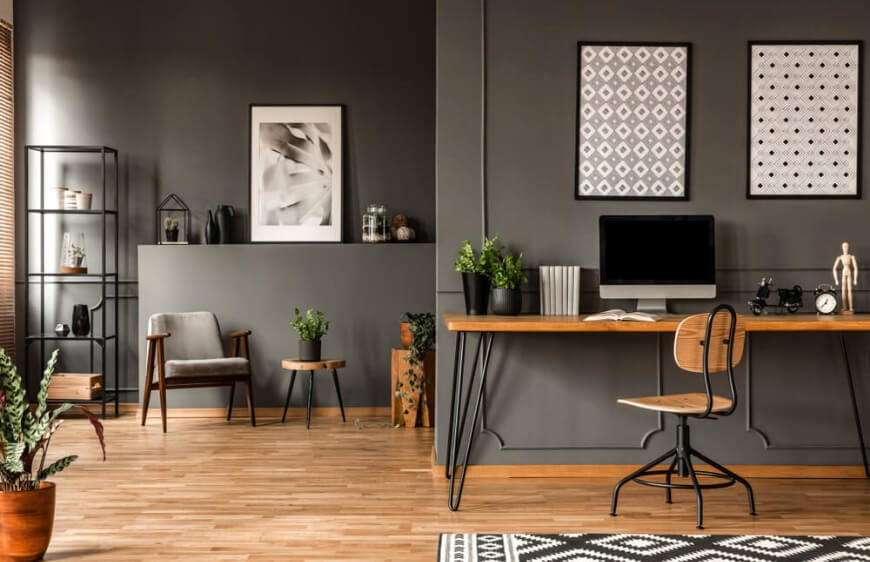
A colour scheme defines a space's mood, character, meaning and presence, so your chosen palette will influence the way you work. Colours carry associations and psychological effects. A strong blue, for example, supports clear thinking, while softer blues help calm the mind and aid concentration. Brighter colours such as yellow and orange can encourage creativity and energy, although too much may increase irritability.
A soft green offers a pleasing balance. In colour psychology, green is associated with harmony and equilibrium, acting as a bridge between invigorating warm colours and calming cool ones. Darker colours can look elegant but may be less uplifting, leave you feeling more tired and reduce the desire to work. Keep the space bright and airy, perhaps painting one wall in a bolder colour to encourage creativity.
- Select the Right Desk
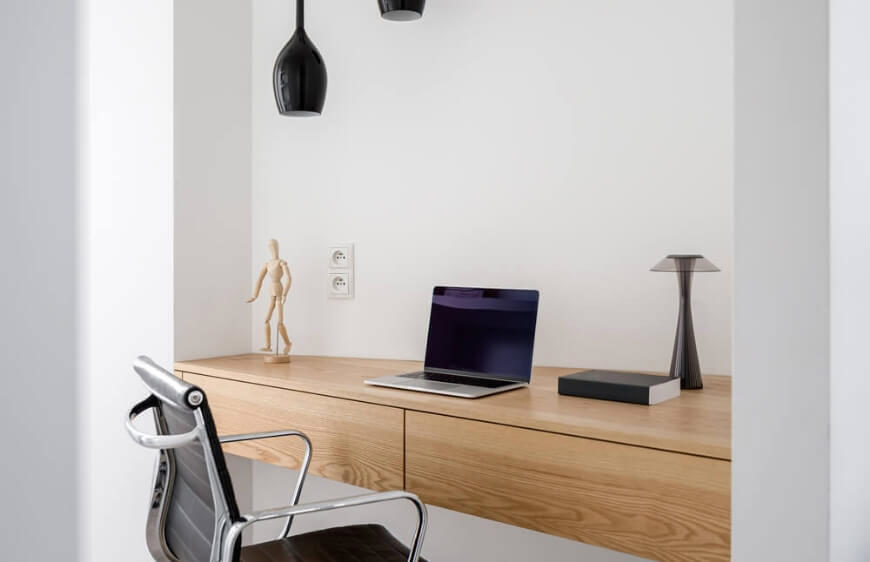
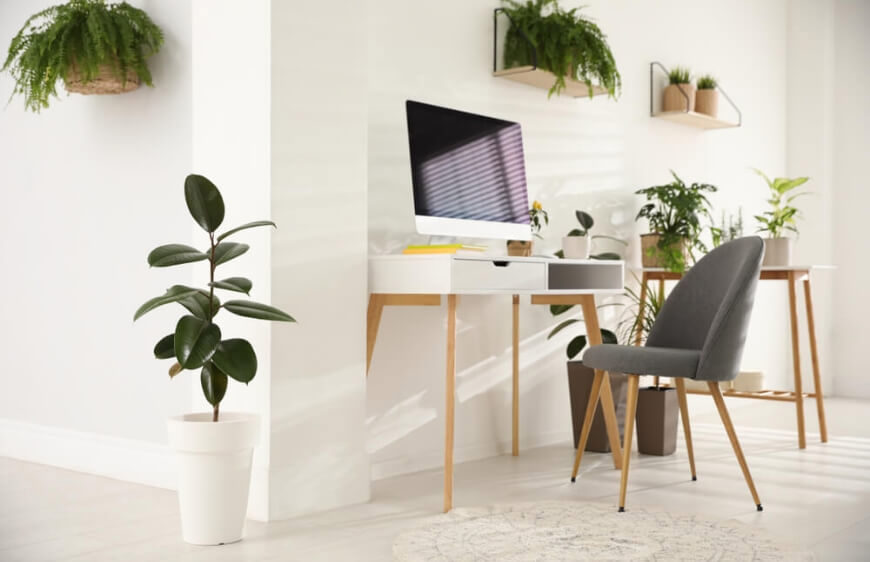
Homes in recent residential developments often have modest floor areas, and many do not have a large room to spare as an office. However small your space, there may still be an undiscovered niche for a desk. If there is a suitable spot under the stairs, in a bedroom corner or in a hallway, start by choosing a desk that fits. Ideally, select a design with a separate top and legs that can be extended when needed. A wall-mounted foldaway desk can save even more space. A drawer pedestal can hold your belongings, so the desk does not have to remain permanently in use.
- Make Room for Storage
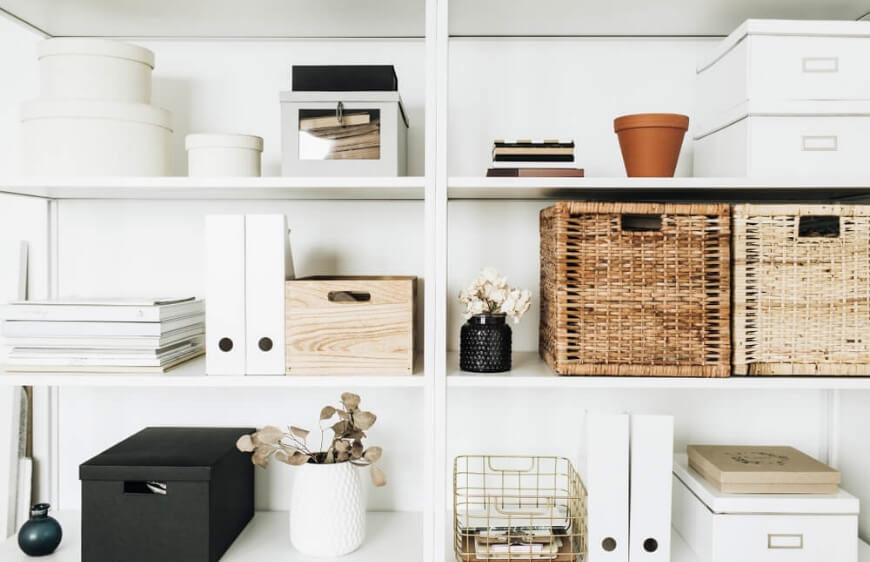
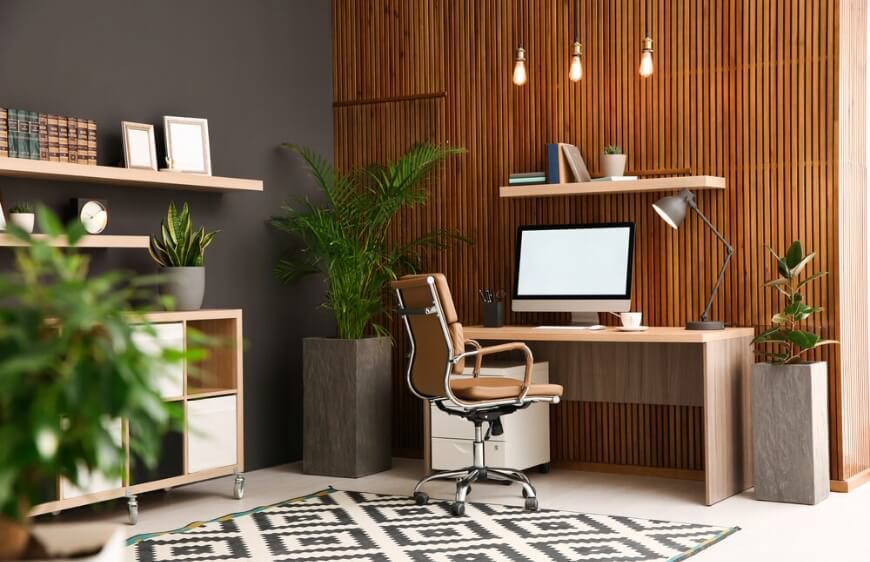
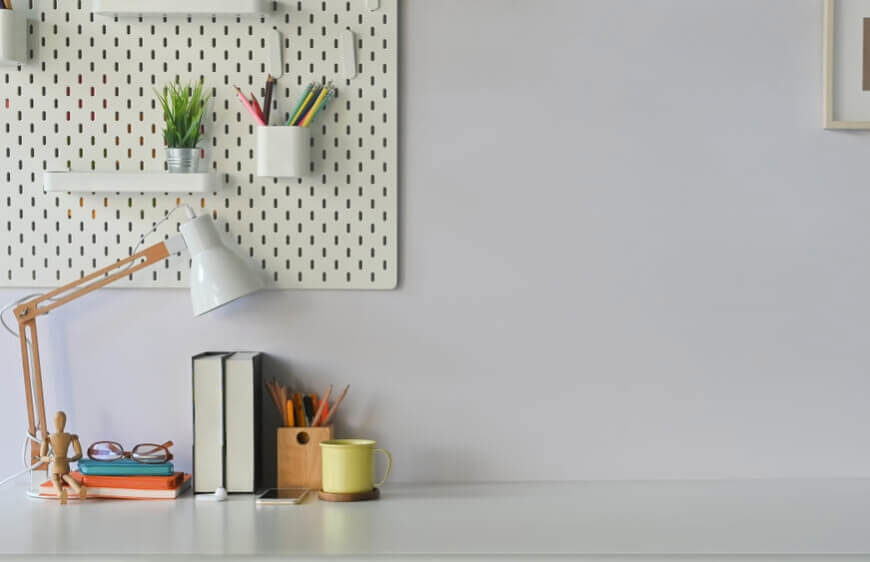
Speaking of drawer pedestals, storage deserves closer attention. Whether you work in a tiny corner or have a dedicated study, storage is essential. A productive workstation should be free of clutter. Group your belongings and organise them in boxes, baskets and folders. Short of space? Work upwards and use the walls. Shelves and wall-mounted cabinets are particularly useful. Arrange shelving from the ceiling down according to how often things are needed, keeping everyday items within easy reach and less frequently used ones higher up.
- Light Your Workspace Well
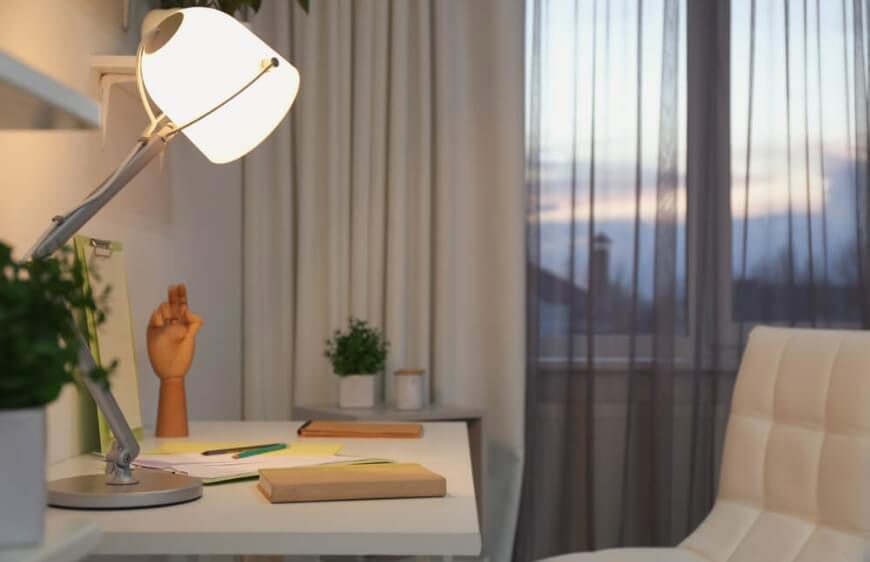
Paperwork has diminished in today's working environments as digital tasks have taken its place. This allows lighting choices to focus on both well-being and style. Poor lighting is more than an aesthetic issue: it can cause eye discomfort, headaches and fatigue, and reduce productivity. A few changes, however, can energise your workspace and improve comfort.An adjustable desk lamp helps direct attention to the task. A flexible design can bend and turn wherever light is needed. Ceiling spotlights with adjustable heads let you control the direction of light; four independently rotating track heads can provide bright illumination.
- Choose an Ergonomic Chair
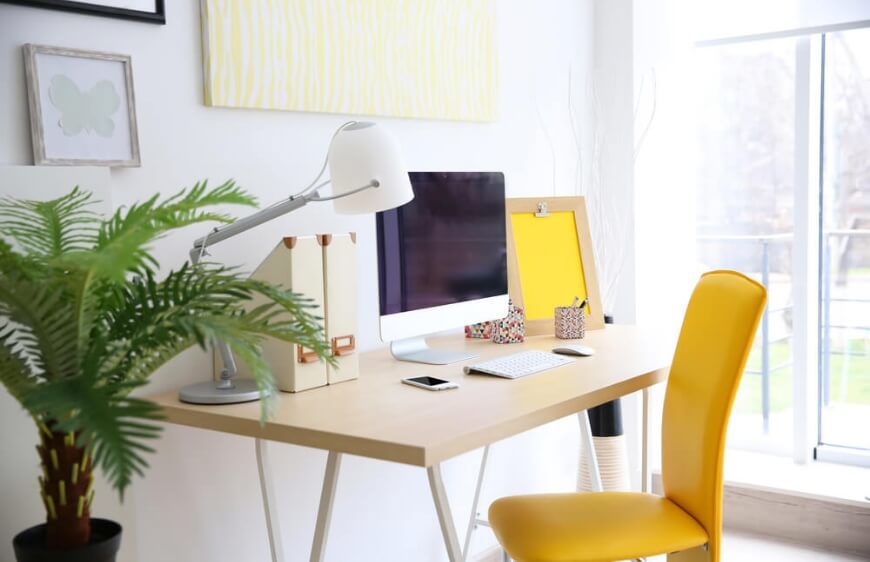
This is a particularly important step, because the office chair deserves careful consideration. The right chair provides comfort and proper spinal support, adapting to your seated position so that long hours at the desk place less strain on your body. A chair suited to your body and work is one part of a safe, productive home office. Choose a model that supports your back adequately while remaining comfortable during long working sessions. Consider adjustable armrest height and width, seat height, backrest angle, lumbar support and the seat's position relative to the backrest.
- Make Space for Art
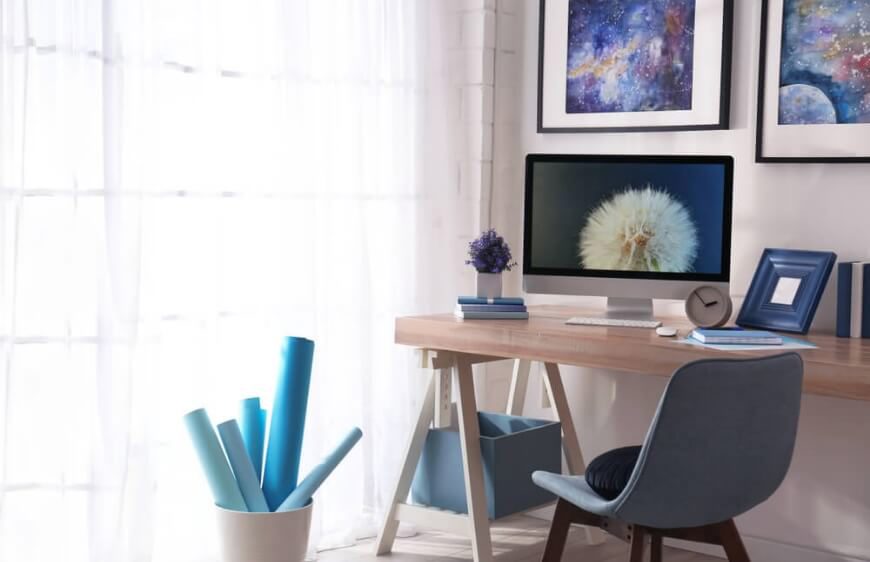
With the practical foundations in place, it is time to be creative. Artwork adds visual interest and style while inspiring ideas and creative thought. Dedicate a wall to works by undiscovered painters, place a sculpture on the desk or frame an inspiring quotation to make the workspace your own.
The key questions are: what is the purpose of your home office? Are you creating a productive setting for hours of work, or a calming space for shorter breaks? For productivity, consider vibrant, bold and visually engaging pieces. For a more soothing atmosphere, choose works in soft colours and gentle tones.
- Personalise Your Desktop
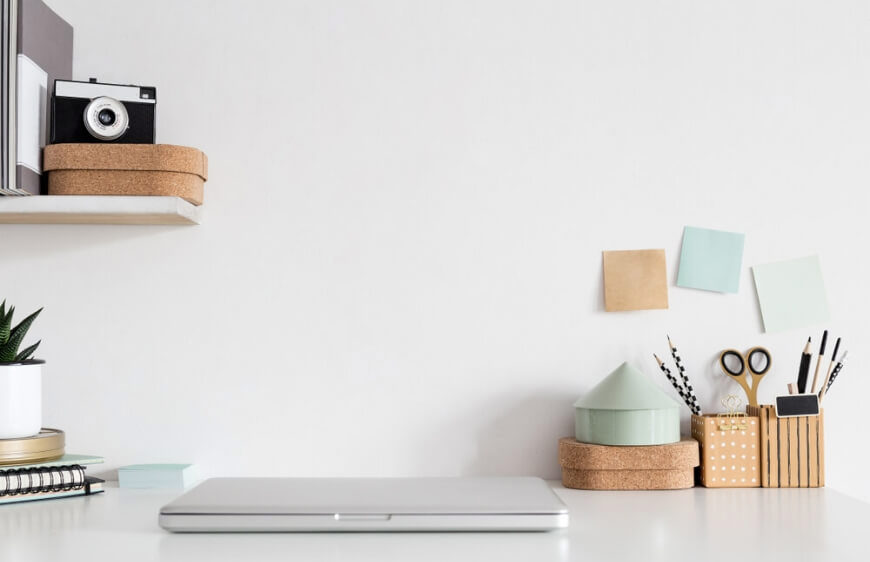
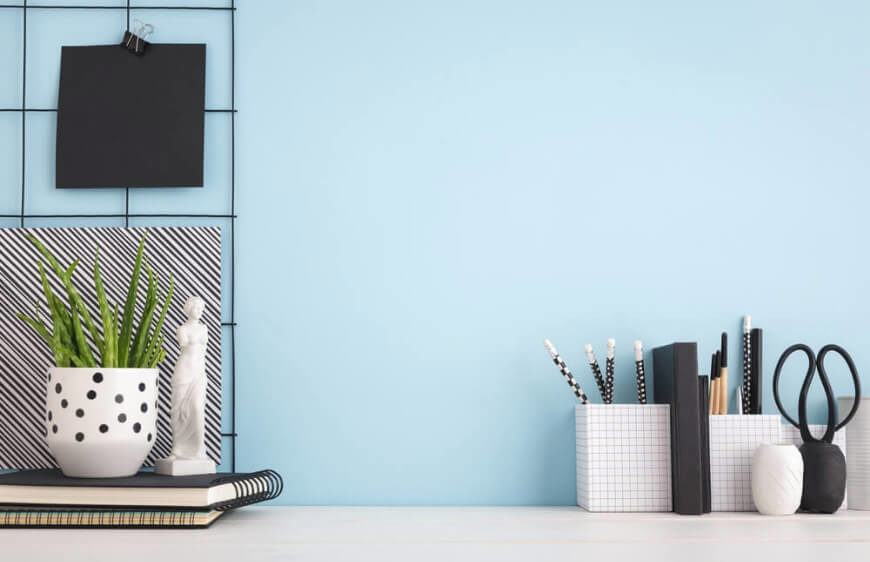
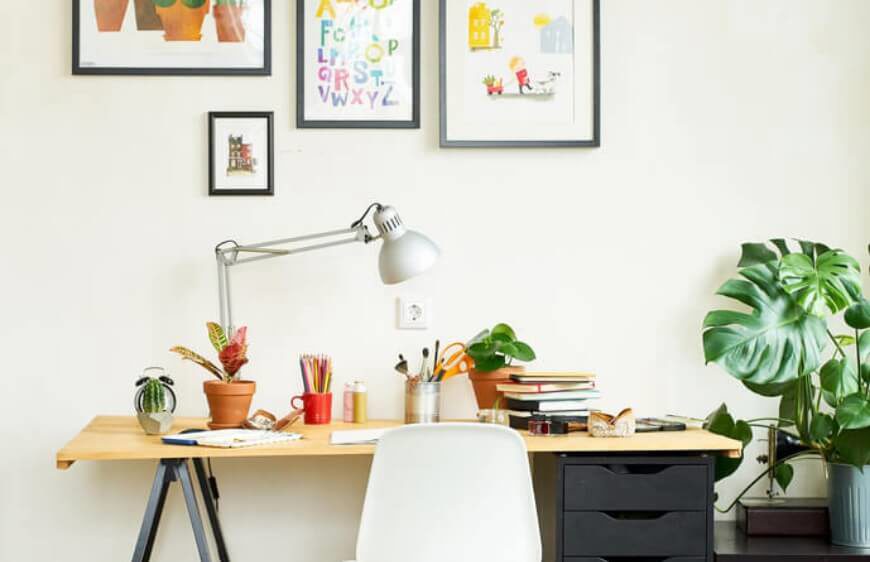
What gets us into the mood for work more than appealing stationery? It is a love that often begins in childhood. Treat yourself to a colourful, creative selection of notebooks, notepaper, paperclips and pens, then organise them for storage or display.Desk accessories are entirely personal. Beyond familiar frames, vases and candleholders, consider some newer options. If snacks are a permanent feature of your desk, a miniature desk vacuum might be useful. Make room for smart solutions such as a headphone stand, a USB charging station, magnetic holders for paperclips or pins, and an insulated mug that stops your coffee turning cold.

- Bring Nature Indoors
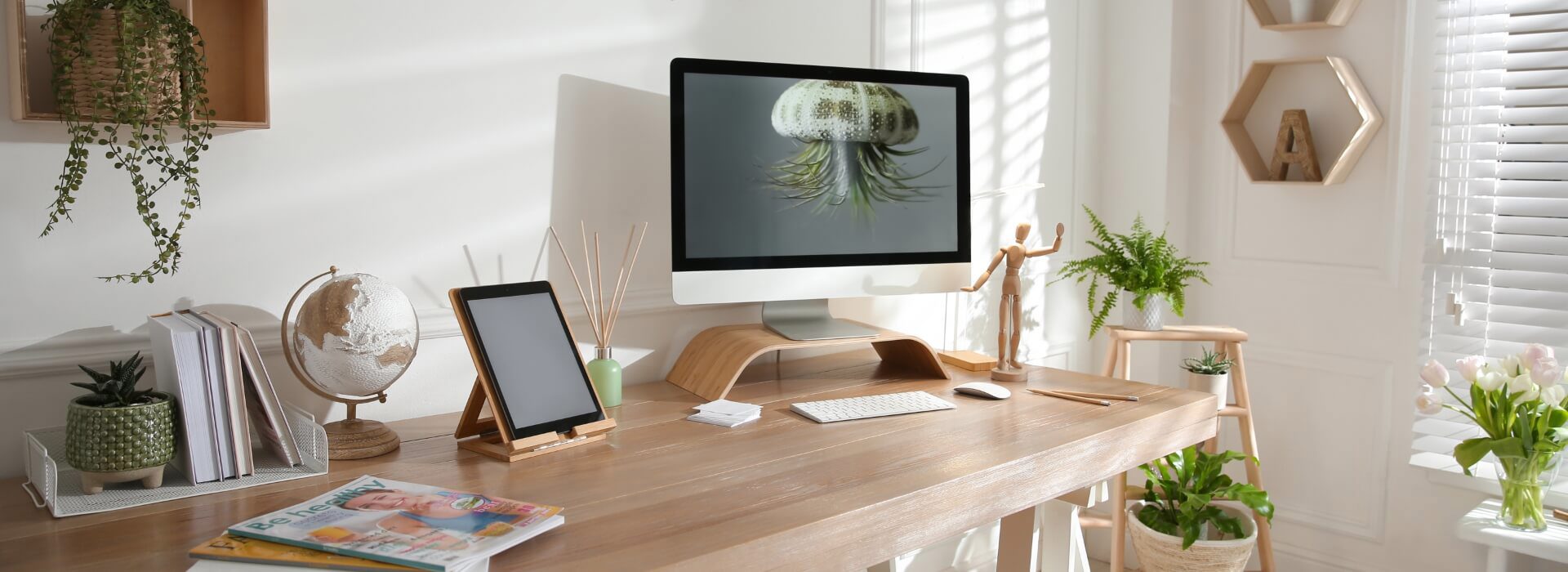
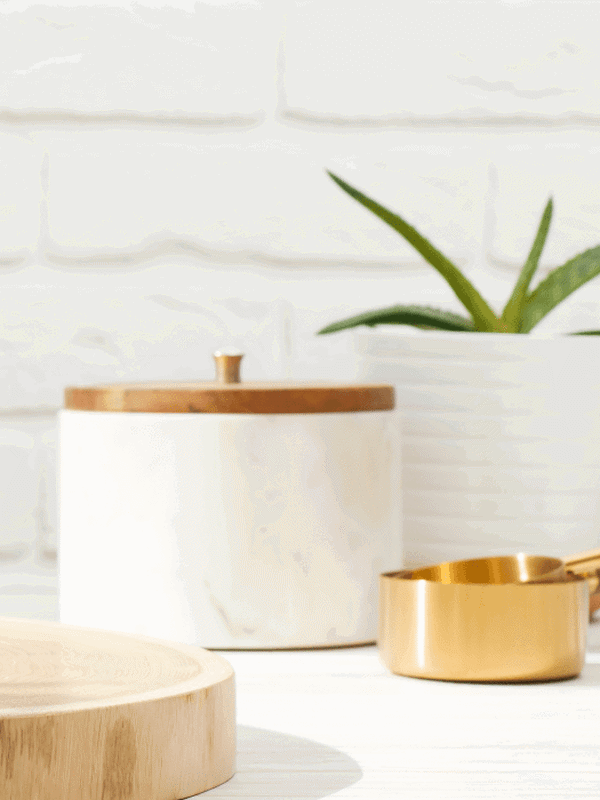
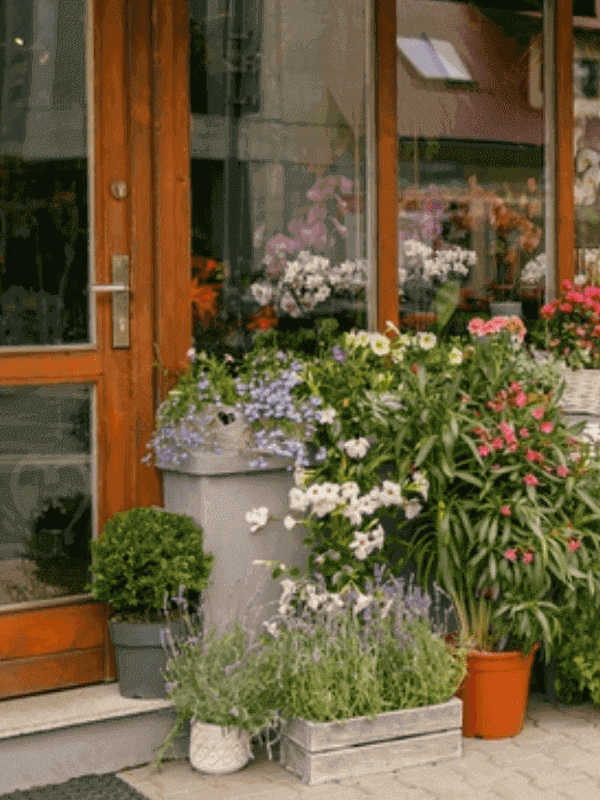
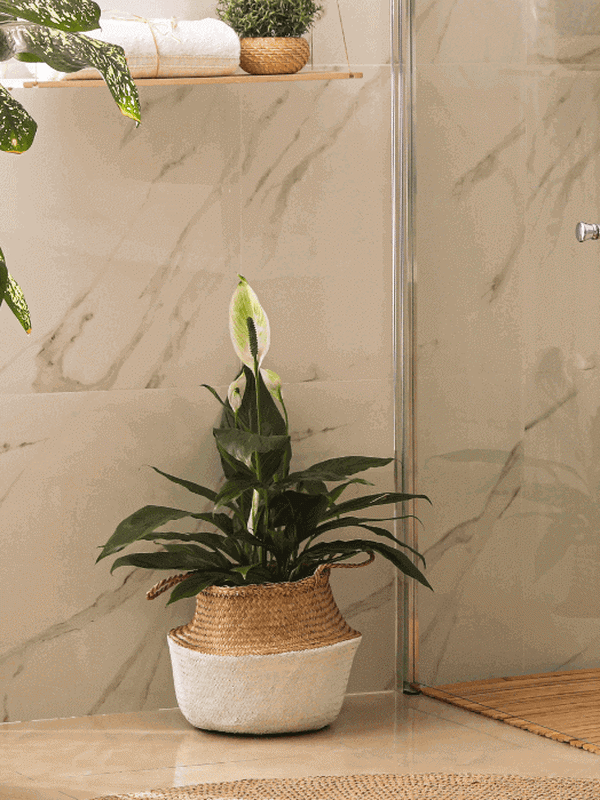
With the botanical trend still going strong, complete your home office with plants and indoor trees. They add colour, texture and life, and can improve productivity and motivation. What should be the first consideration when choosing office plants? Low maintenance. Plants can increase humidity around a desk, help clean the air and add visual interest to the workspace—as long as you remember to water them occasionally. Dracaena, African violets, ZZ plants, aloe vera, philodendrons, air plants, begonias and succulents can brighten working life without demanding too much attention.