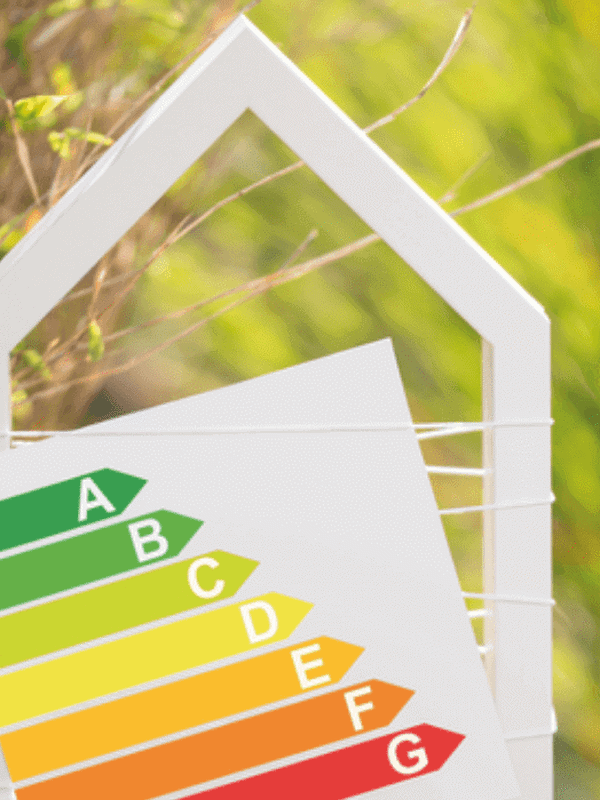
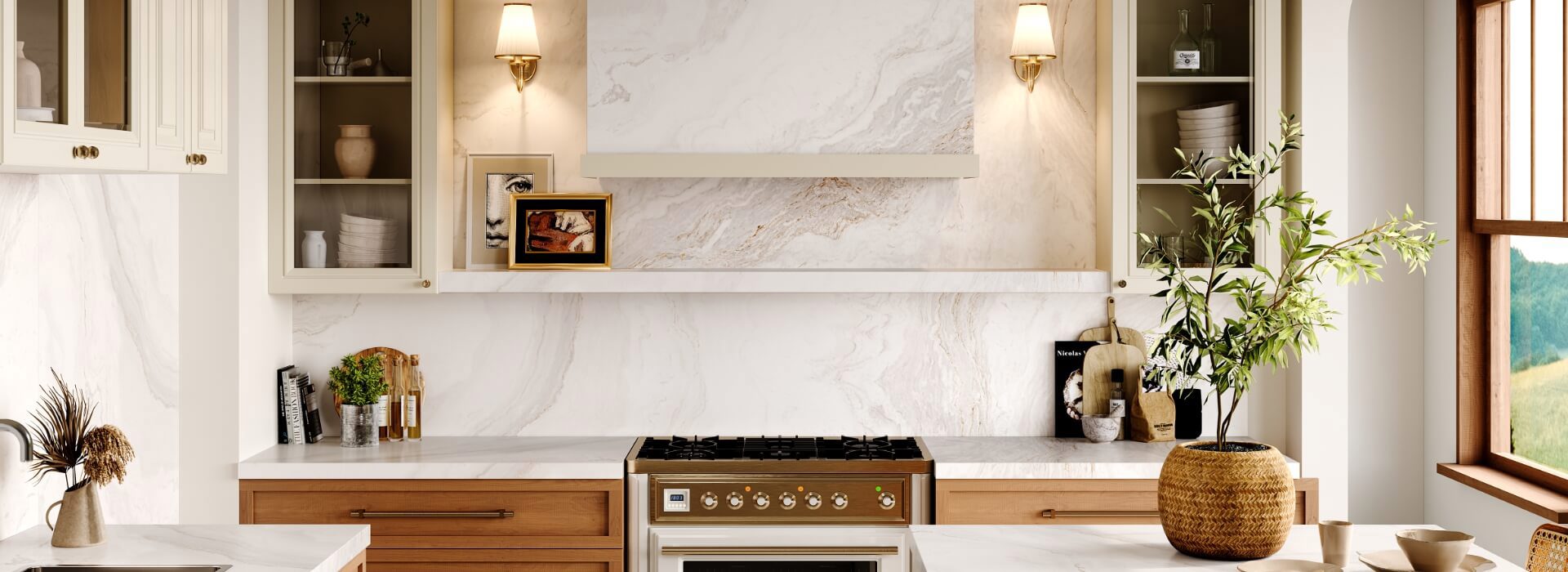
LEDs, or light-emitting diodes, are more efficient than the lighting technologies that came before them. They use far less energy than widely used traditional incandescent and fluorescent bulbs. Available as bulbs, tubes and strips, with an extensive range of colours, they offer versatile, flexible applications. They can serve every lighting purpose in a kitchen, from ceiling lights and chandeliers to under-cabinet lighting and dedicated task lamps. You can replace your existing bulbs with energy-efficient LEDs without changing the light fittings. Their longer lifespan compared with alternatives adds further value to their energy savings.
5 Steps to an Eco-Friendly Kitchen with the Right Lighting
The right lighting is essential to a kitchen's functionality, atmosphere and overall appearance. With environmentally conscious lighting solutions, you can create a well-lit kitchen that uses less energy and has a smaller carbon footprint.
When lighting a kitchen, it is important to consider environmental sustainability as well as illumination. Kitchens need plenty of light, but energy-efficient LEDs, better use of daylight and smart lighting controls can make them both more sustainable and more visually appealing. Here are five simple steps.

- Choose Energy-Efficient LED Lighting
- Make the Most of Natural Light
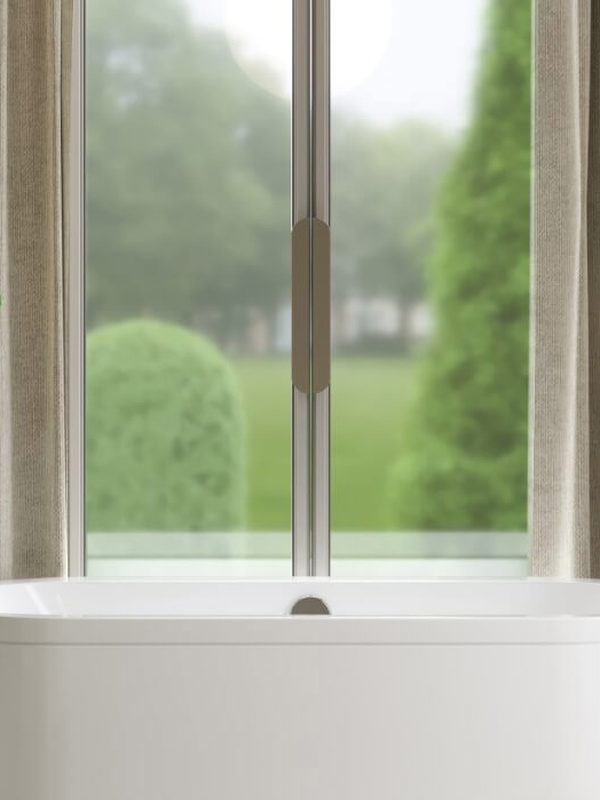
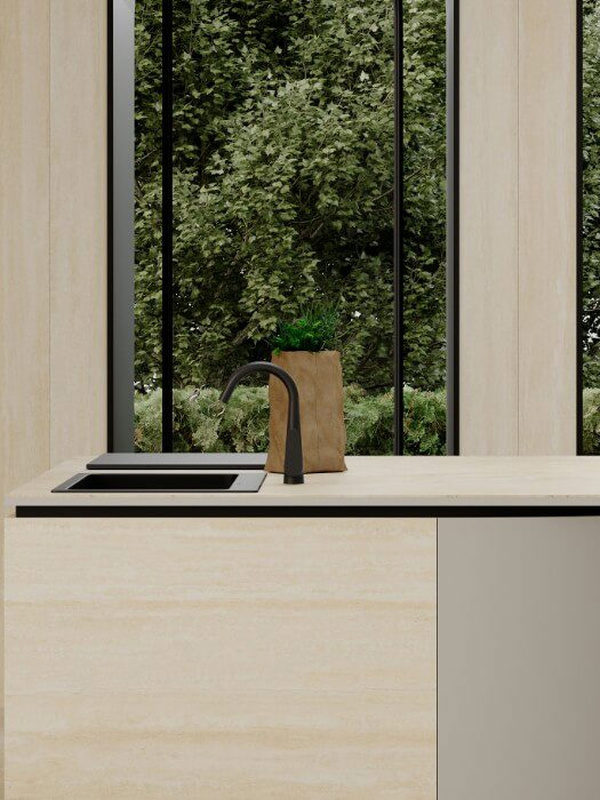
We often use artificial lighting even during the day. Why not explore ways to make better use of daylight and reduce this dependence? Where technically feasible, optimise the size and position of kitchen windows or skylights to bring in more natural light. This may initially sound costly and demanding, but in a room where we spend so much time, the benefits go beyond ecology. Greater exposure to natural light can increase serotonin production, helping to lift our mood and reduce feelings of stress and anxiety. Natural light is also important for the body: it regulates our circadian rhythm and supports healthy sleep, while daytime exposure to sunlight increases vitamin D levels.There are simpler steps that do not involve building work. Remove curtains, roller blinds and Venetian blinds, or choose the lightest colours and materials that obstruct the least light. Avoid using windowsills as storage shelves. If your kitchen door opens onto a sunlit part of the home, keep it open during the day.

- Switch to Dimmers
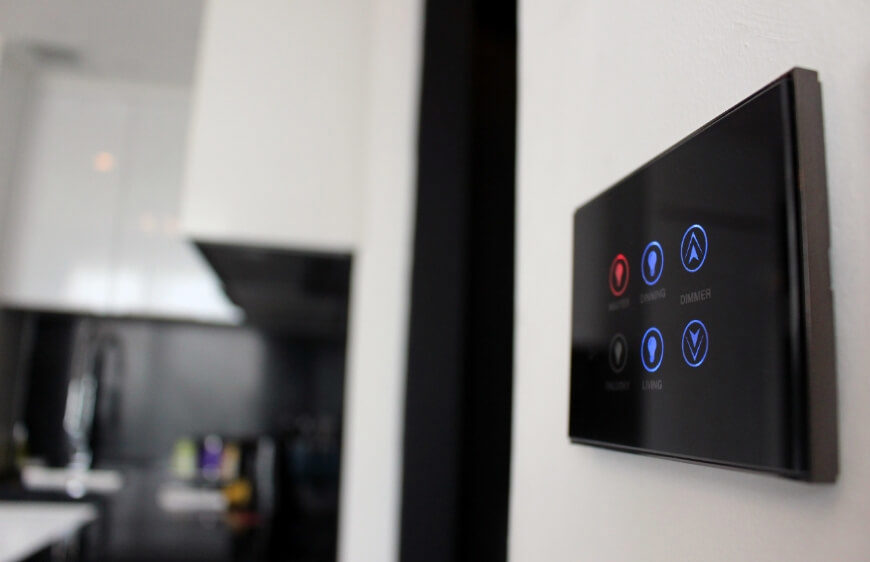
Dimmer switches let you adjust the brightness of kitchen lighting to suit your needs and use energy efficiently. They allow you to create a relaxed atmosphere for an evening meal or lower the light level during the day when less artificial illumination is needed. Dimming can also extend the life of your bulbs.
- Use Task Lighting
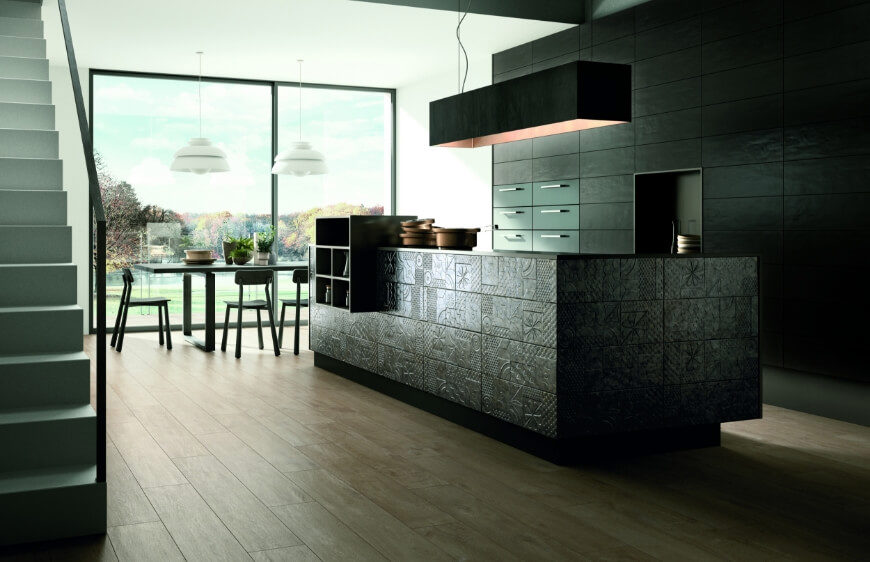
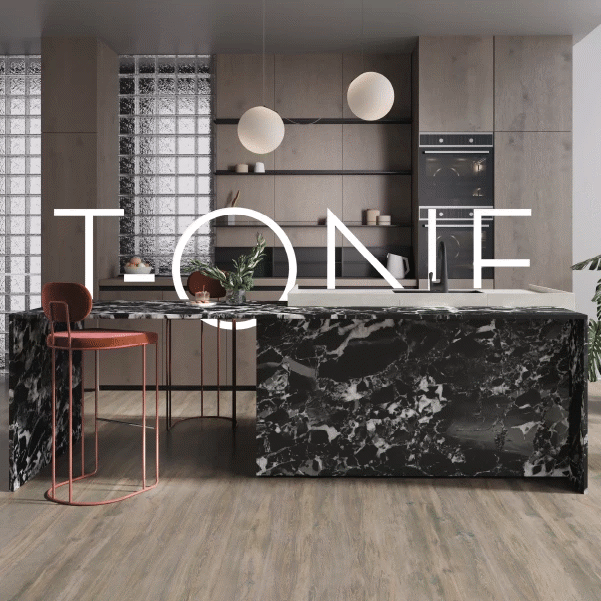
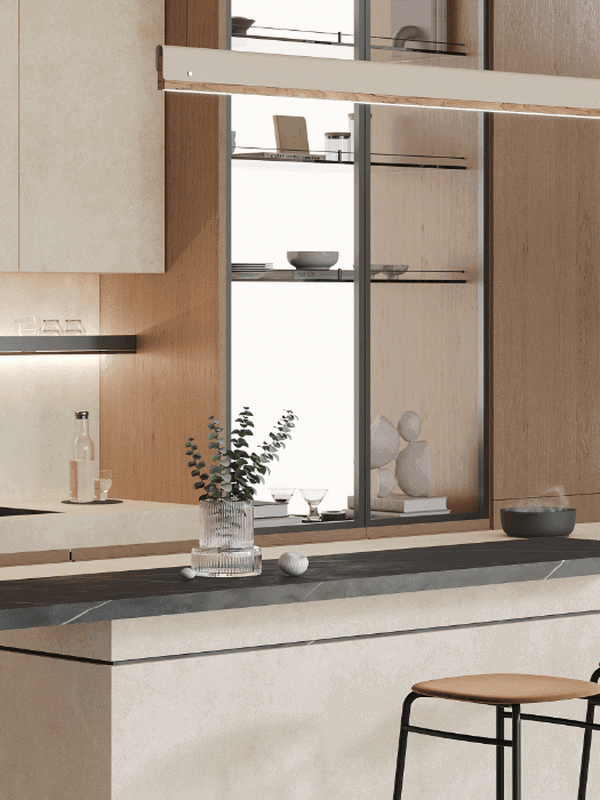
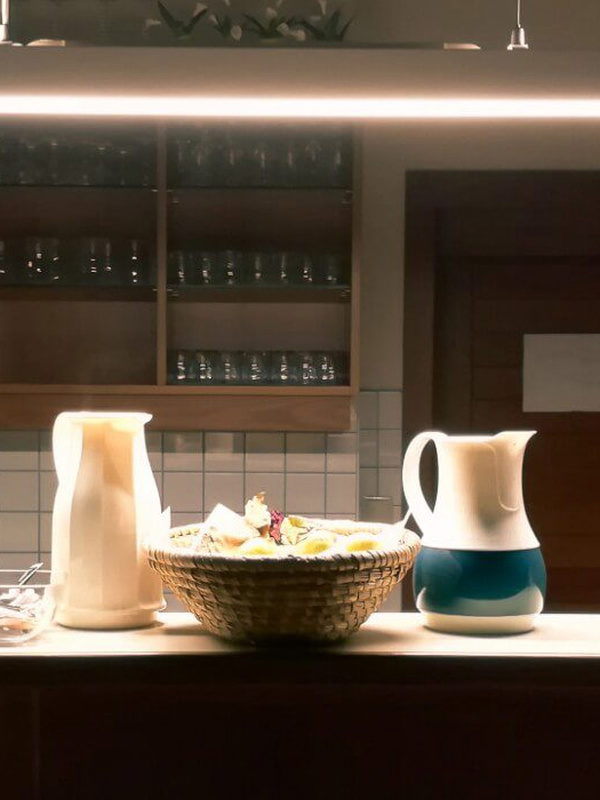
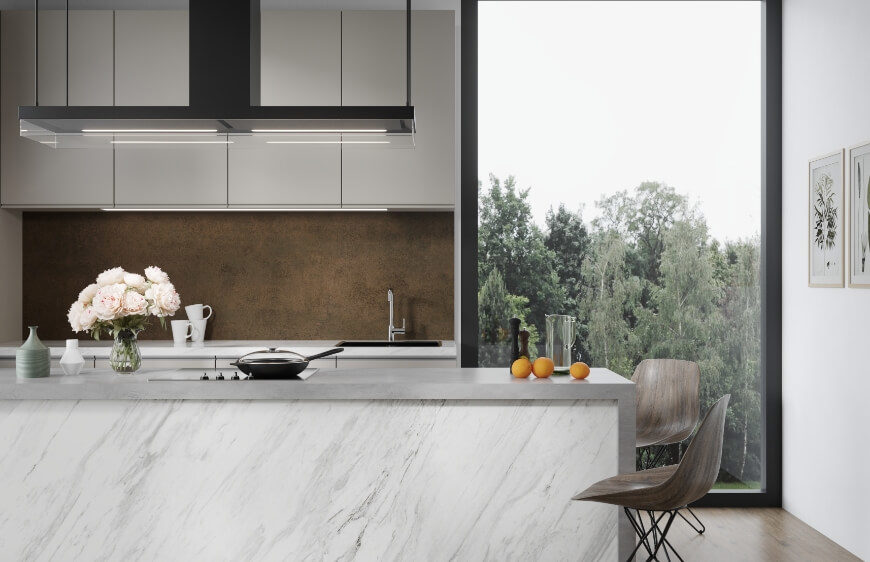
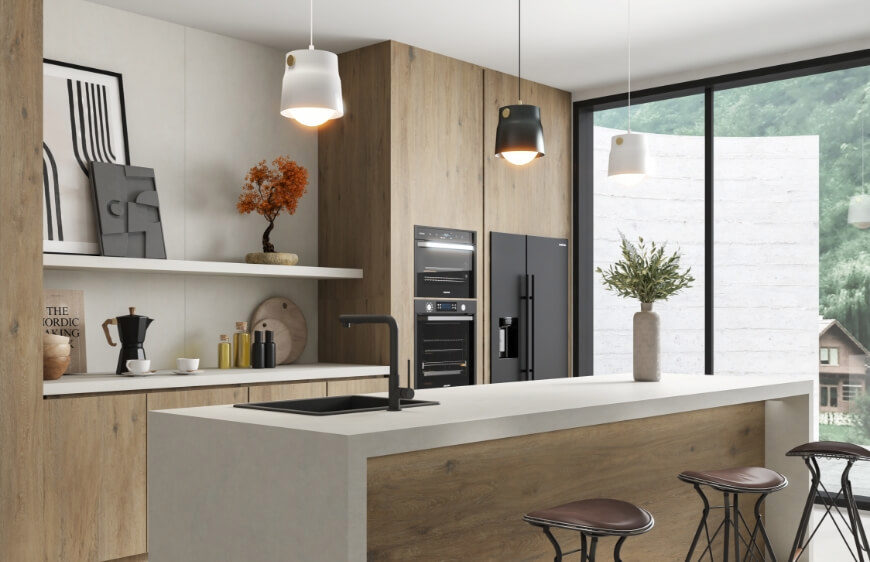
Relying on a single overhead light is an outdated approach. Explore strategic lighting in different parts of the kitchen to suit your needs and habits. A low-hanging pendant above an island can focus light on food preparation, while LED strips beneath cabinets illuminate worktops. This provides sufficient, efficient light for specific tasks without fully lighting the entire kitchen.
- Install Motion Sensors or Timers
Motion sensors or timers can help save energy in the kitchen by automatically switching lights on and off according to movement or a set schedule. Motion sensors are particularly useful in pantries and other areas visited frequently for short periods. Timers can switch lights off after a period of inactivity, preventing them from being left on accidentally.These environmentally conscious lighting strategies can help you create an energy-efficient, well-lit kitchen that reduces your carbon footprint while maintaining functionality and visual appeal.