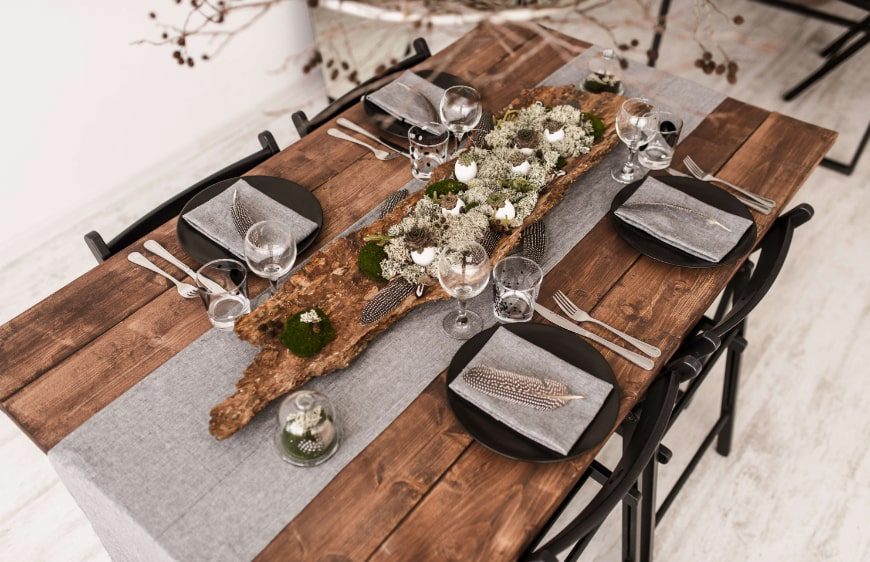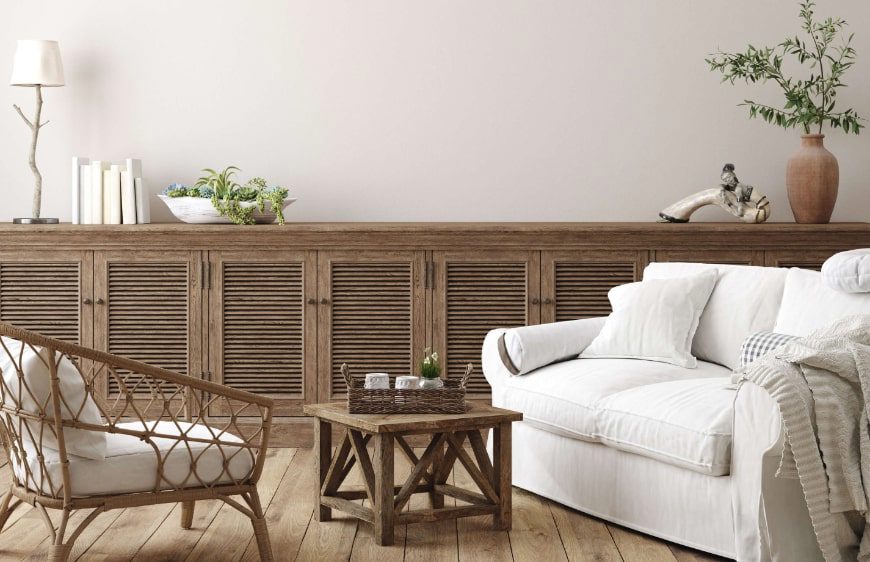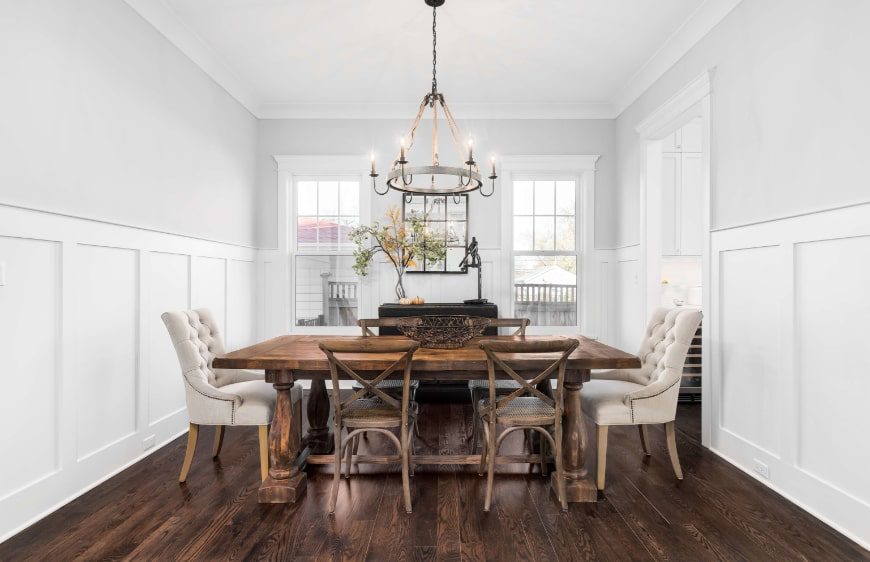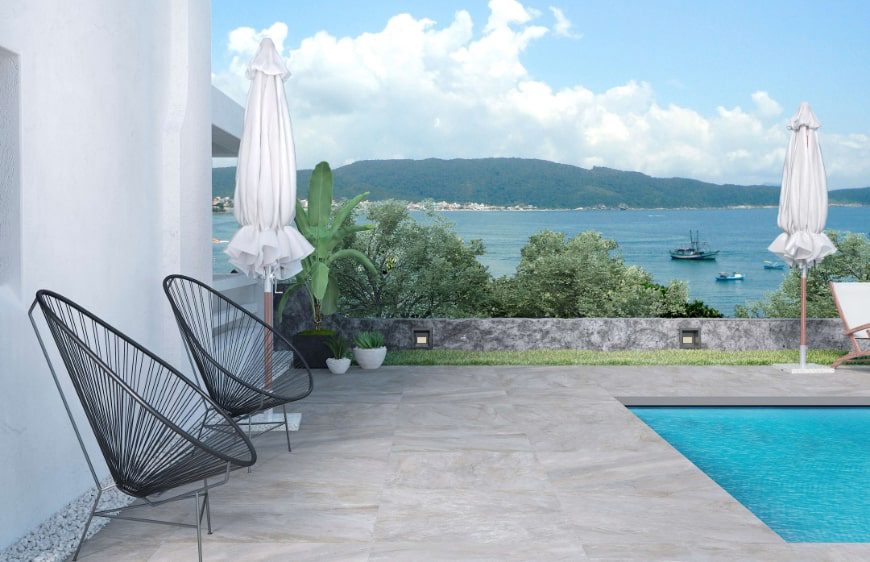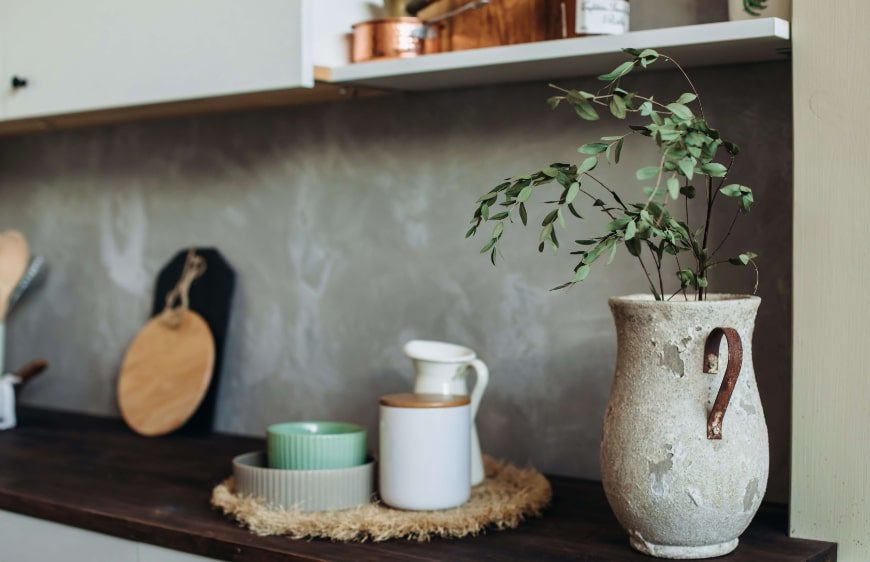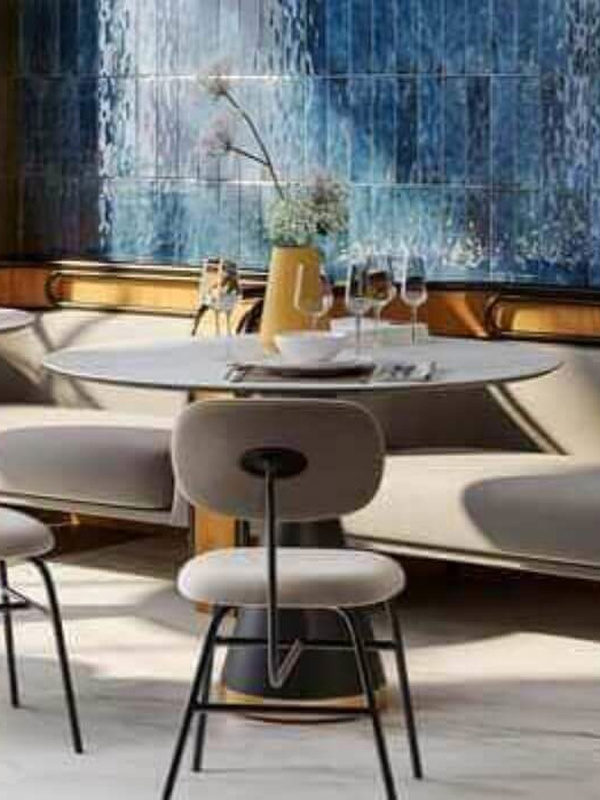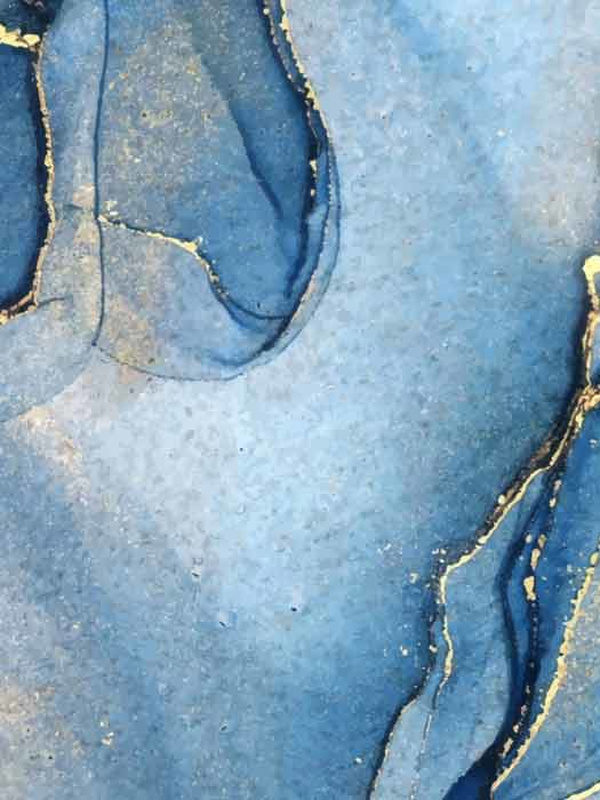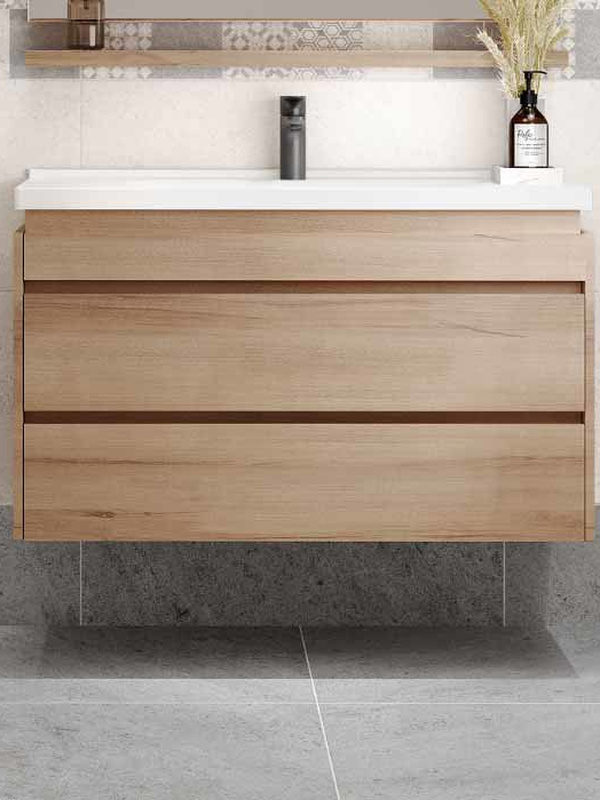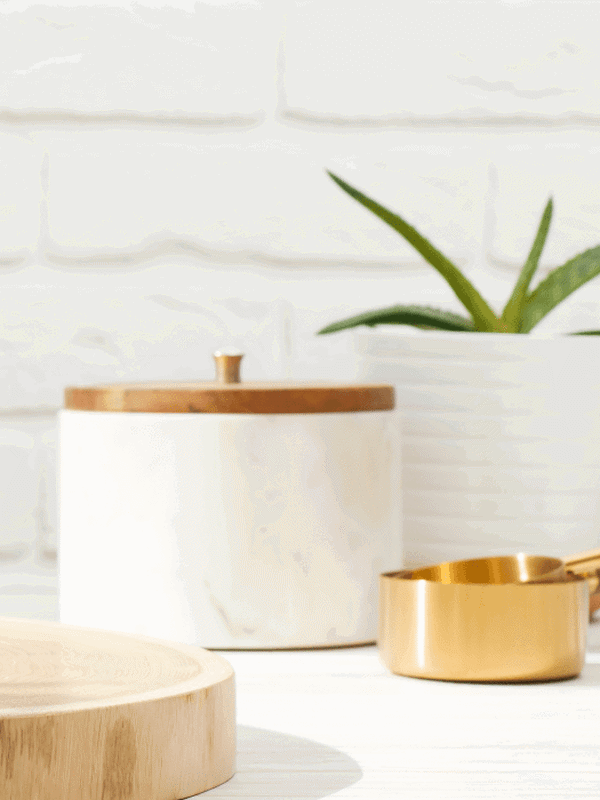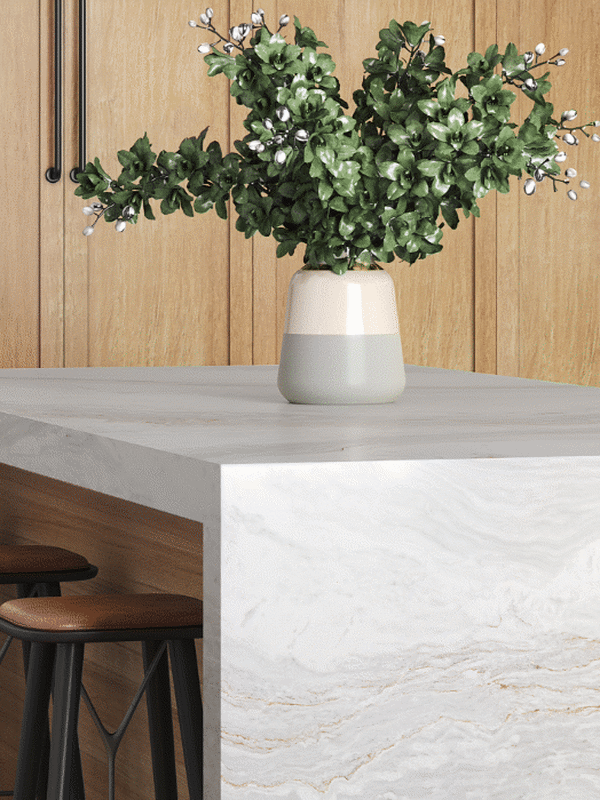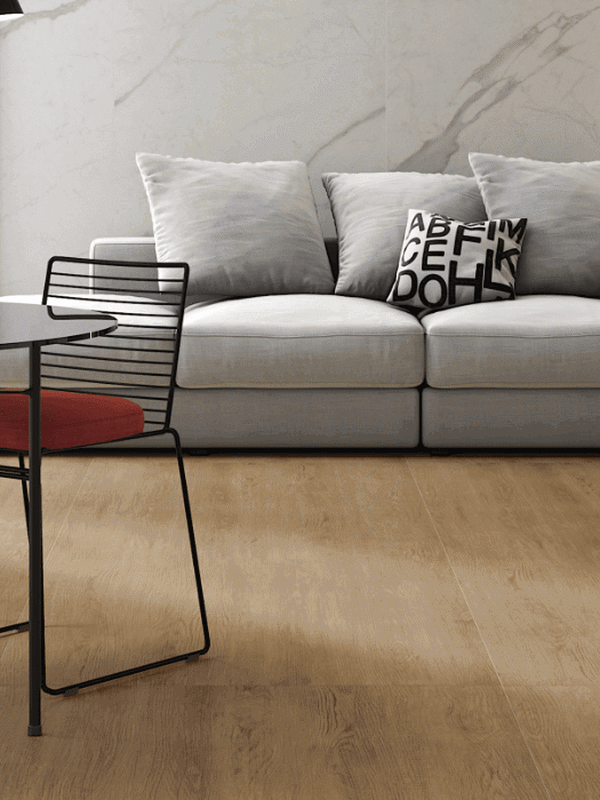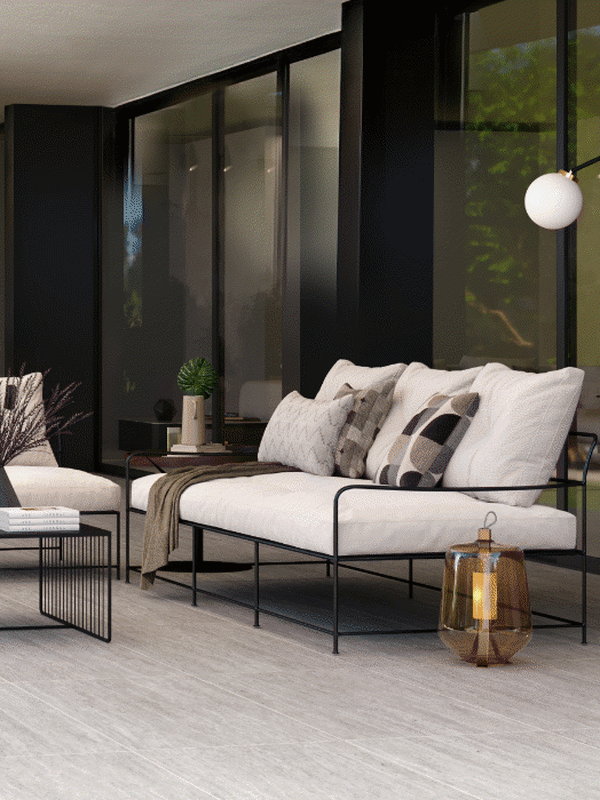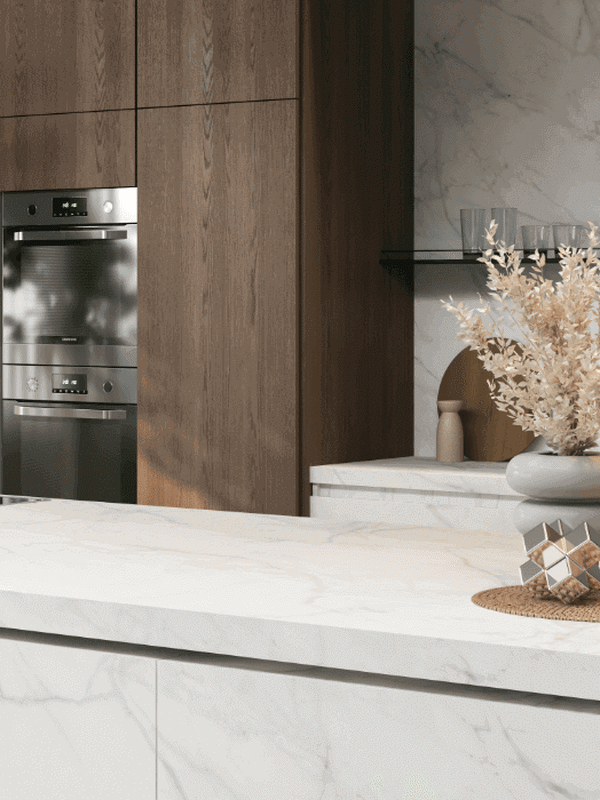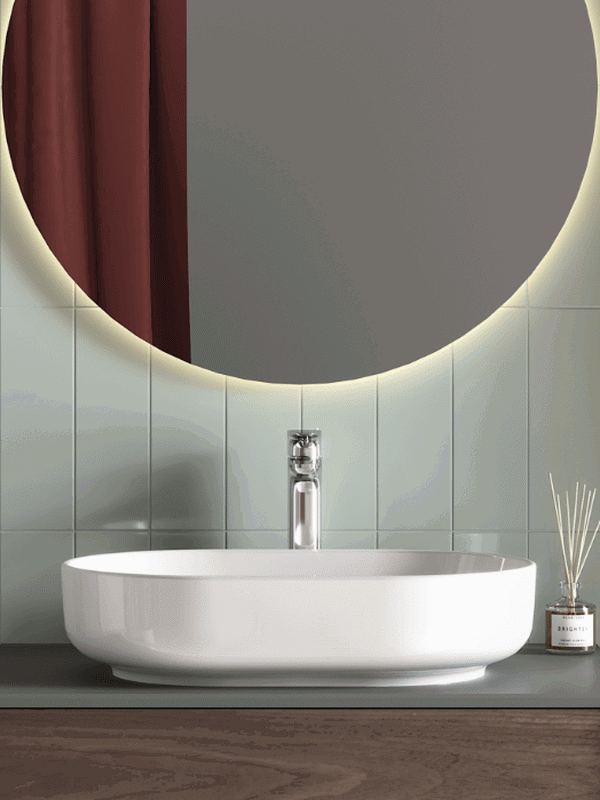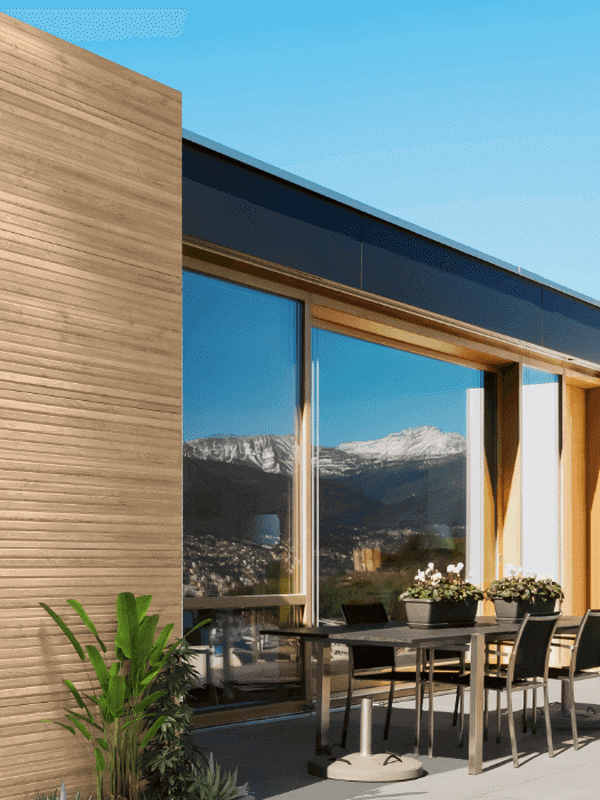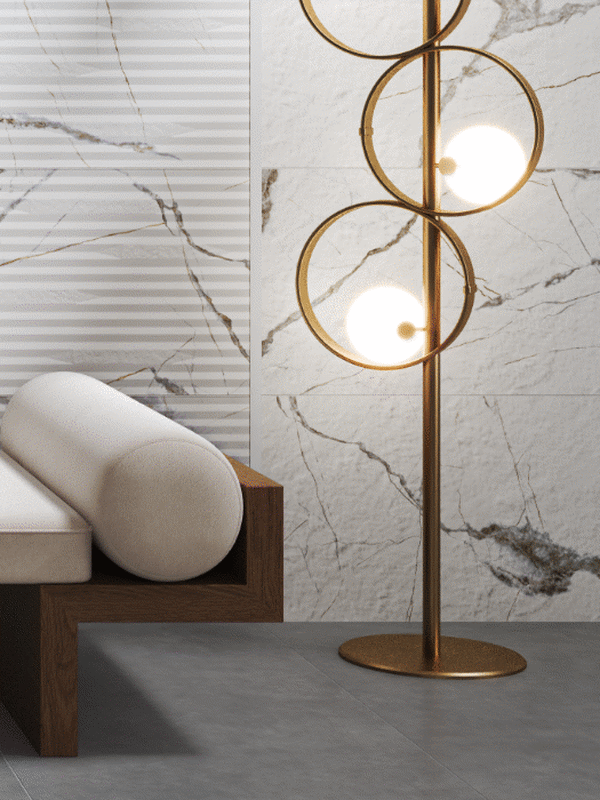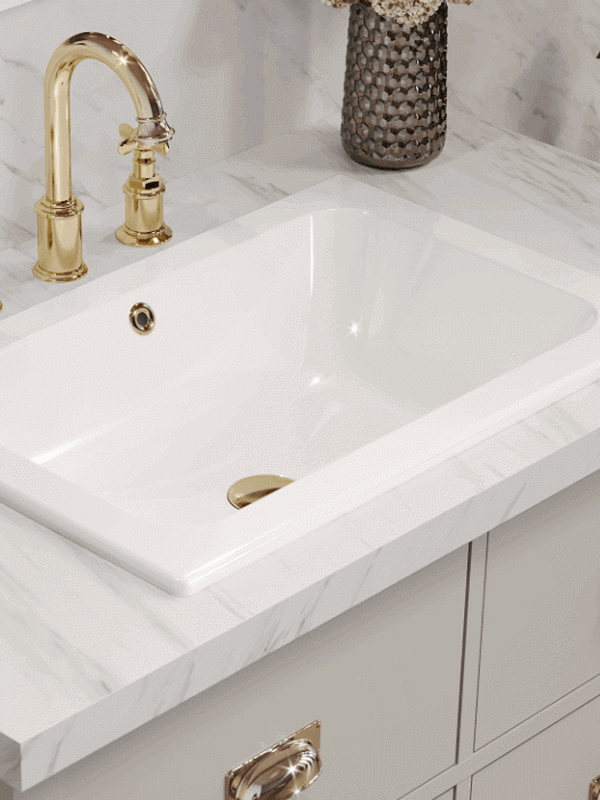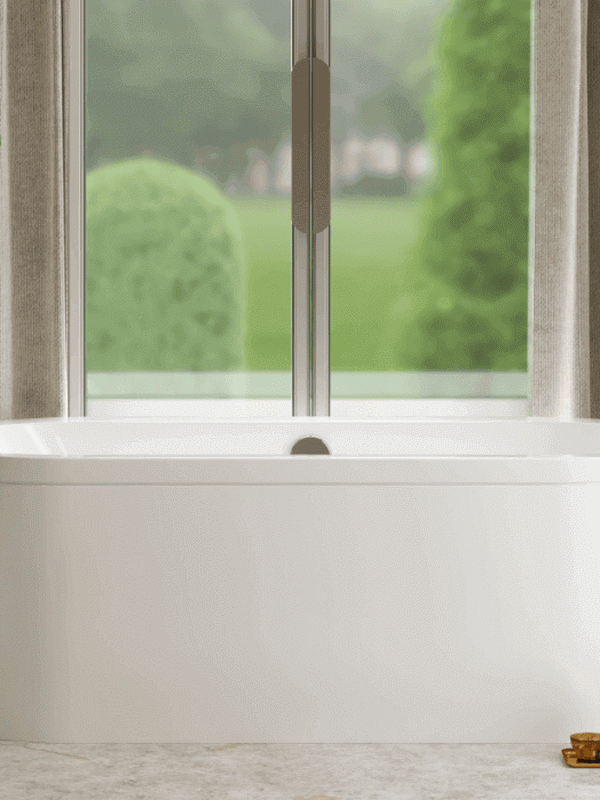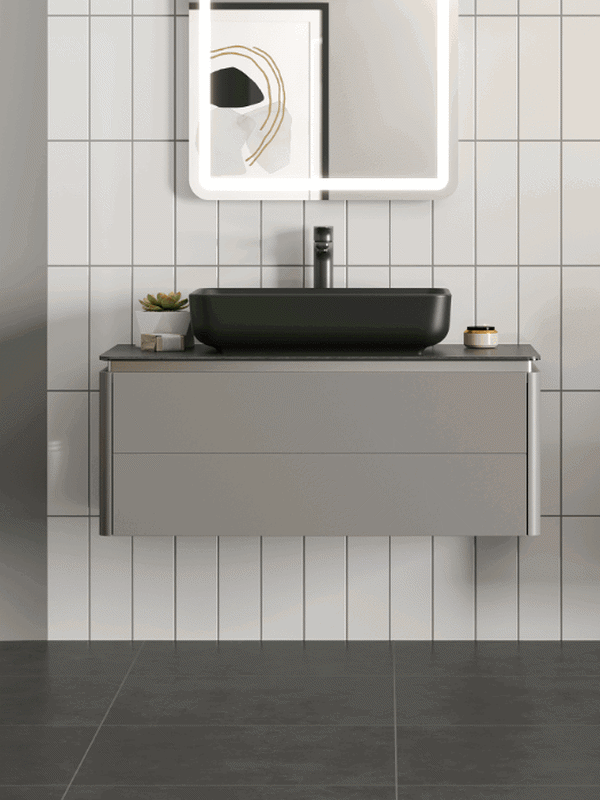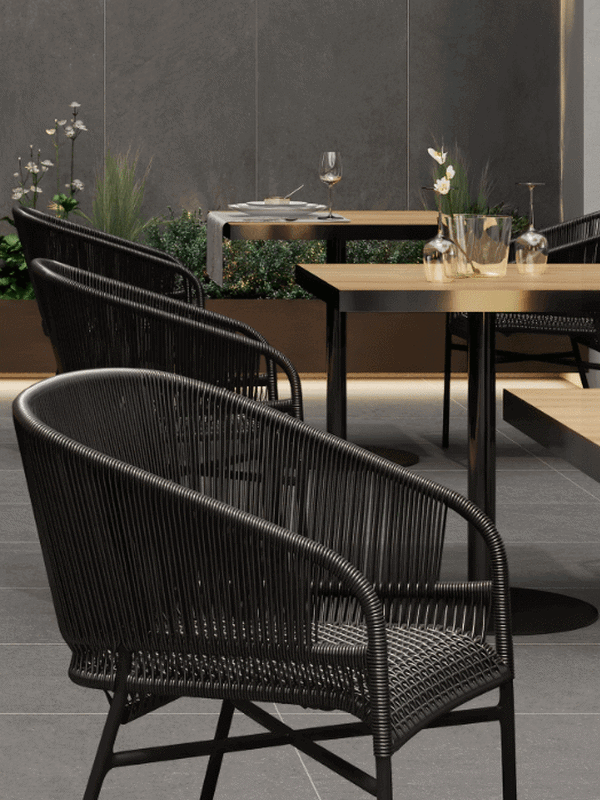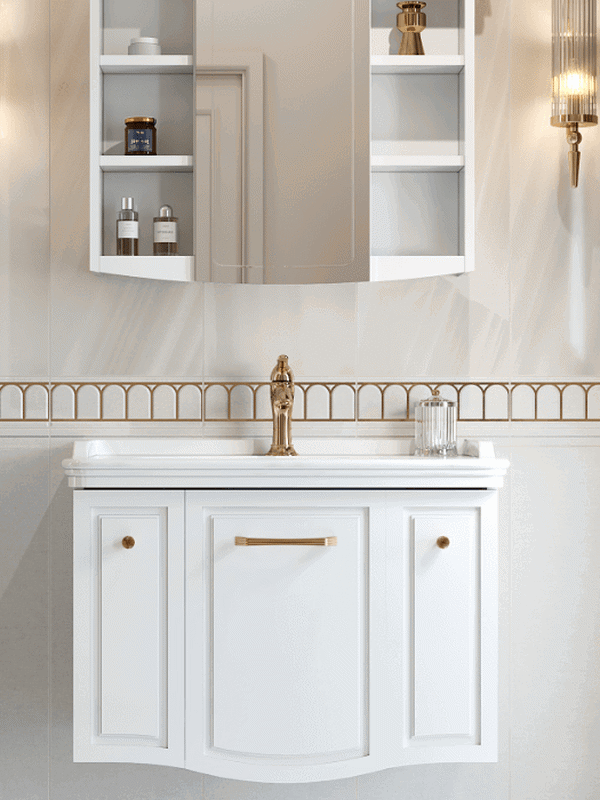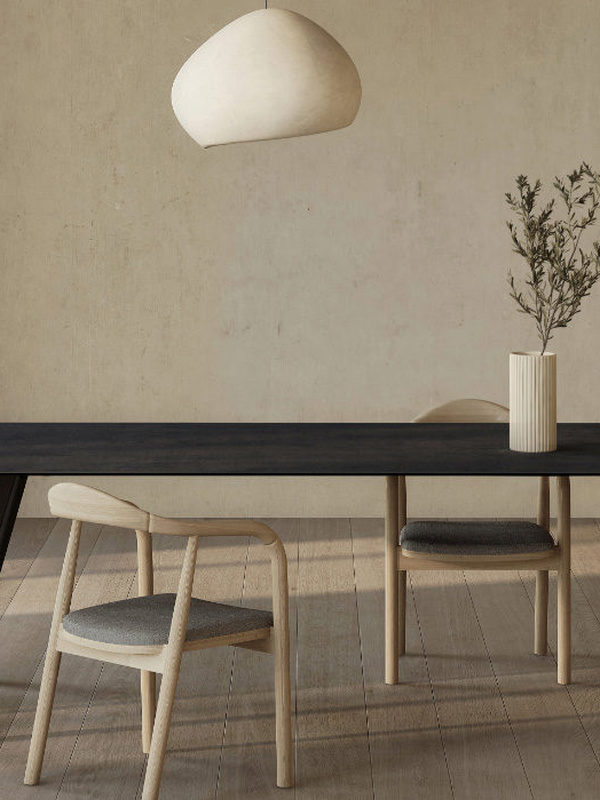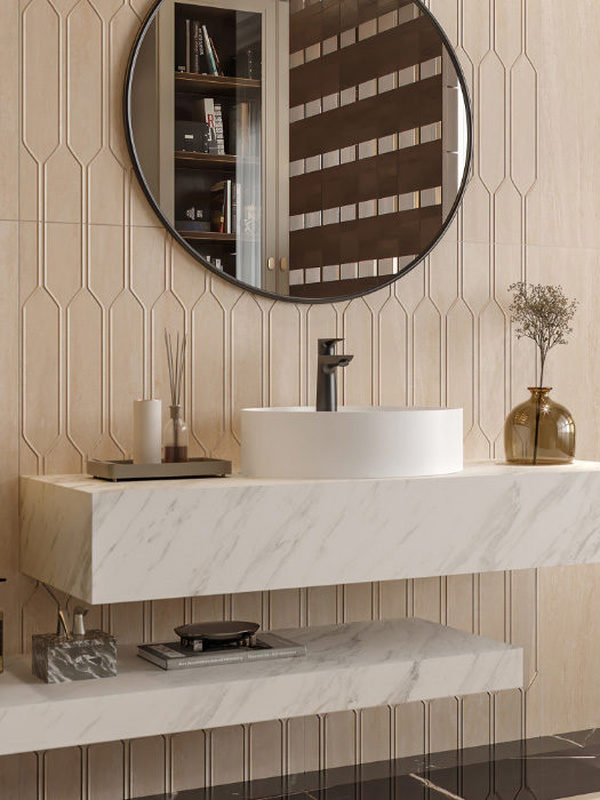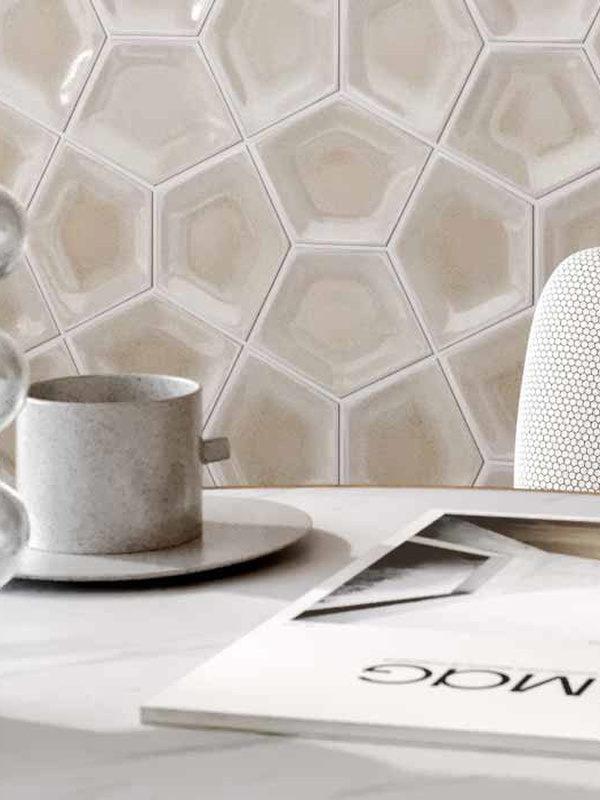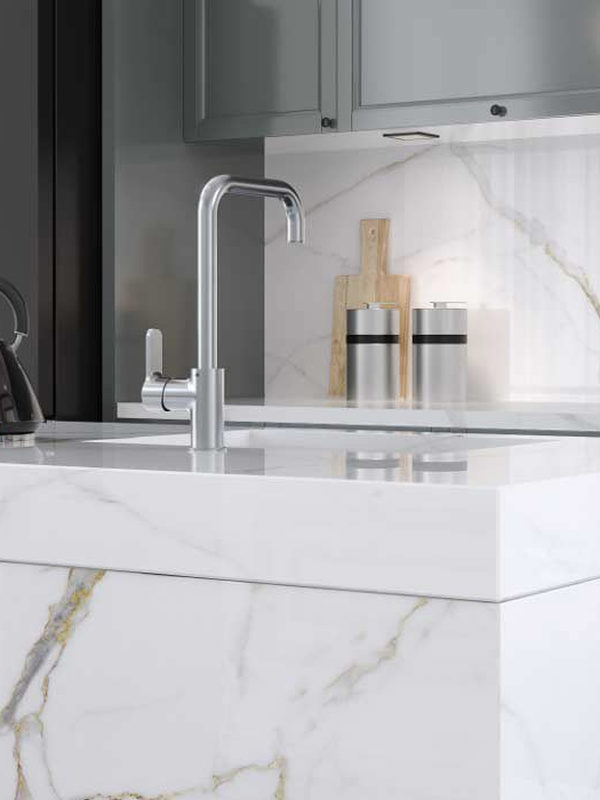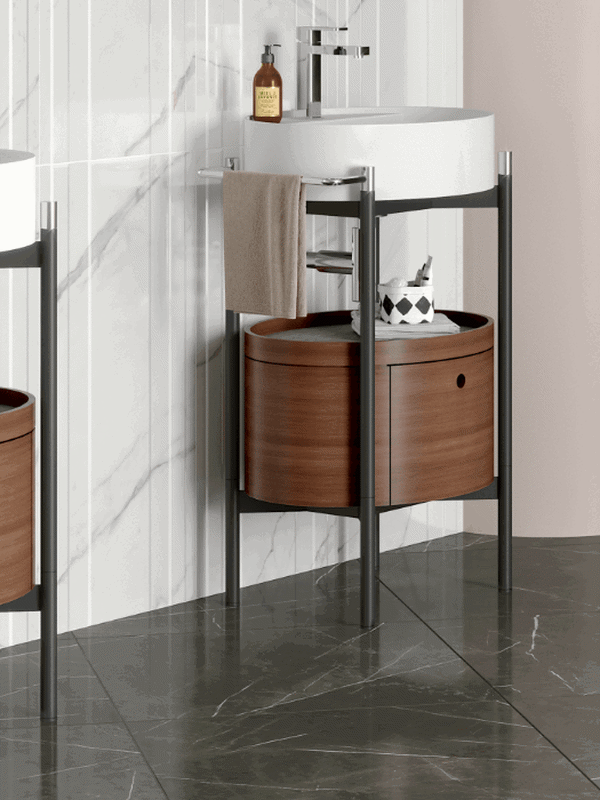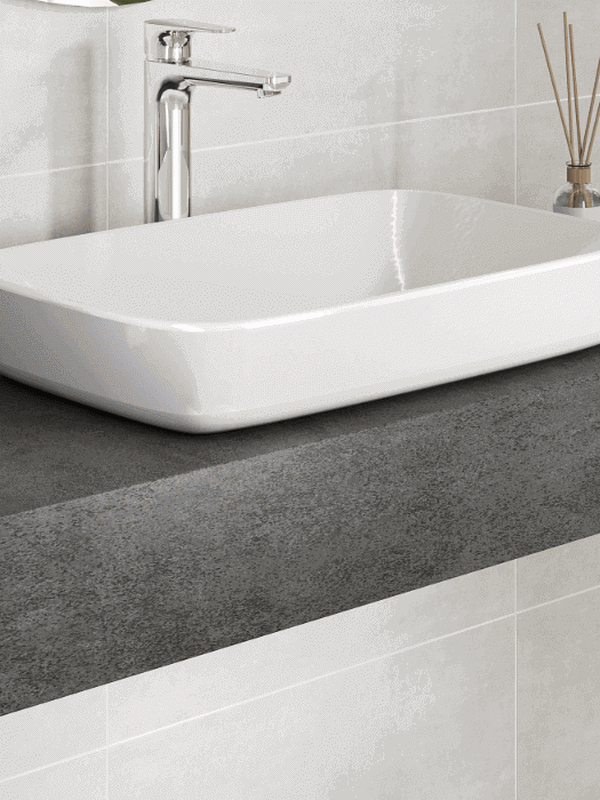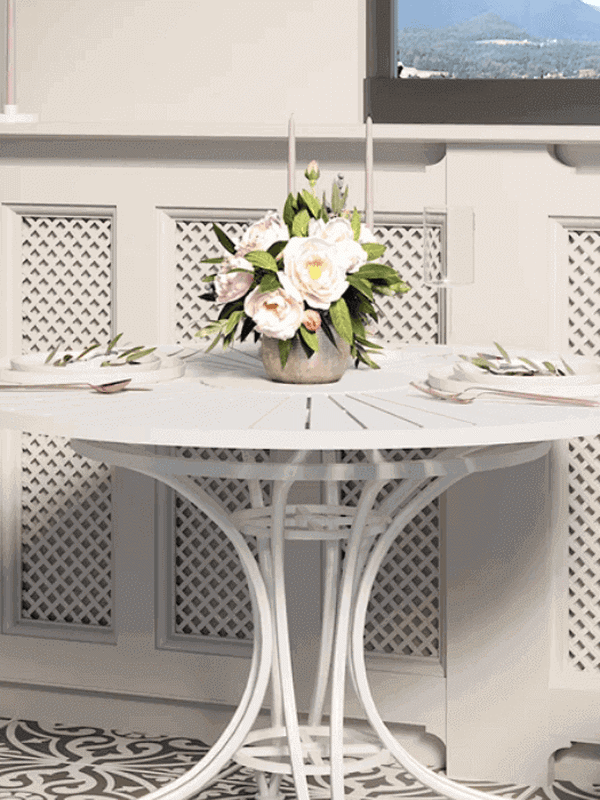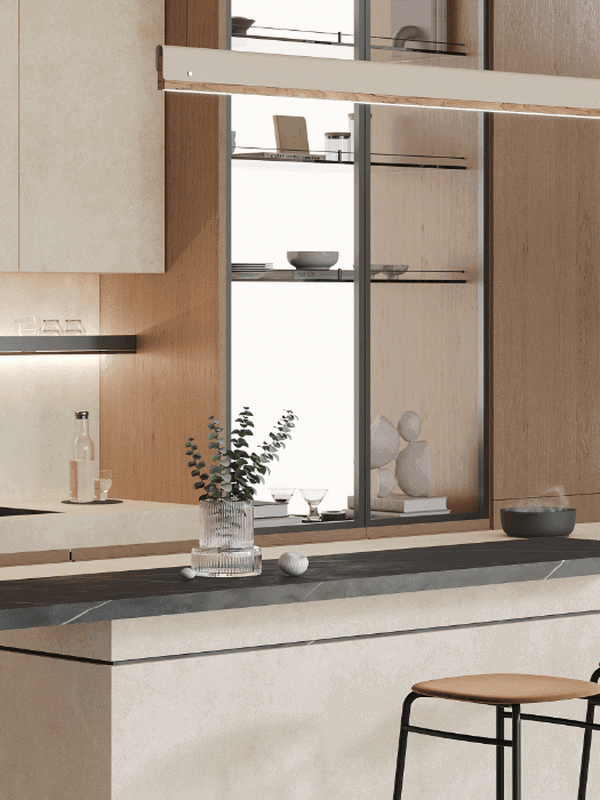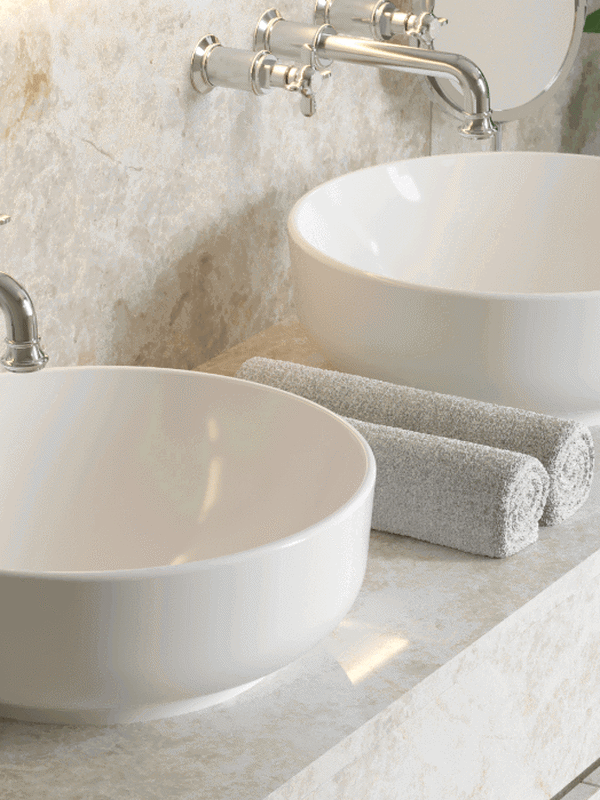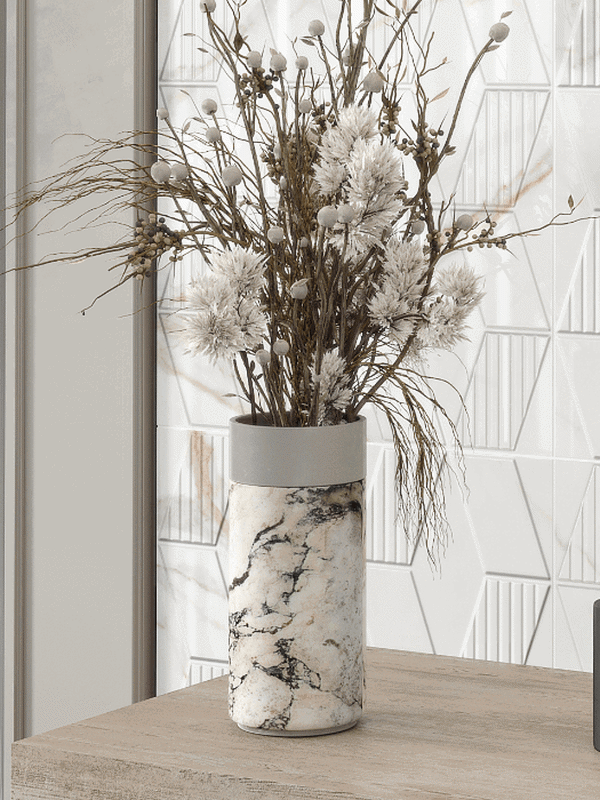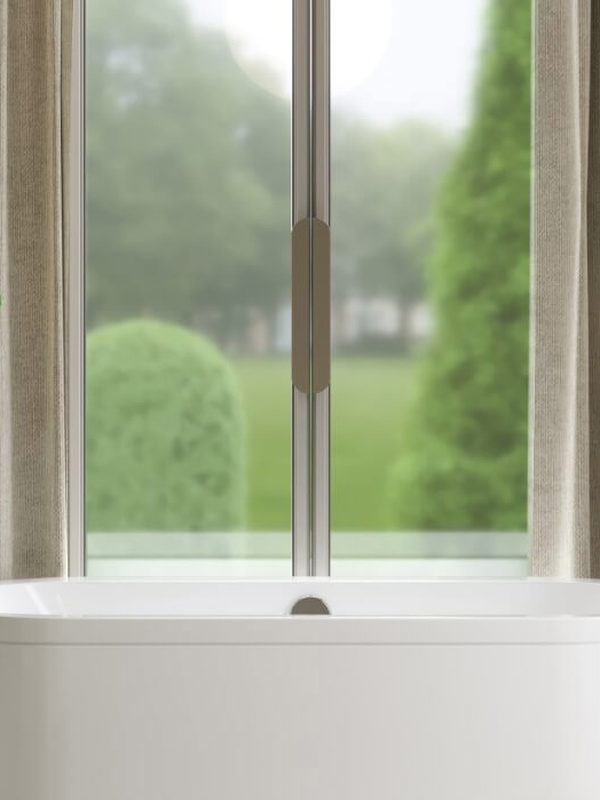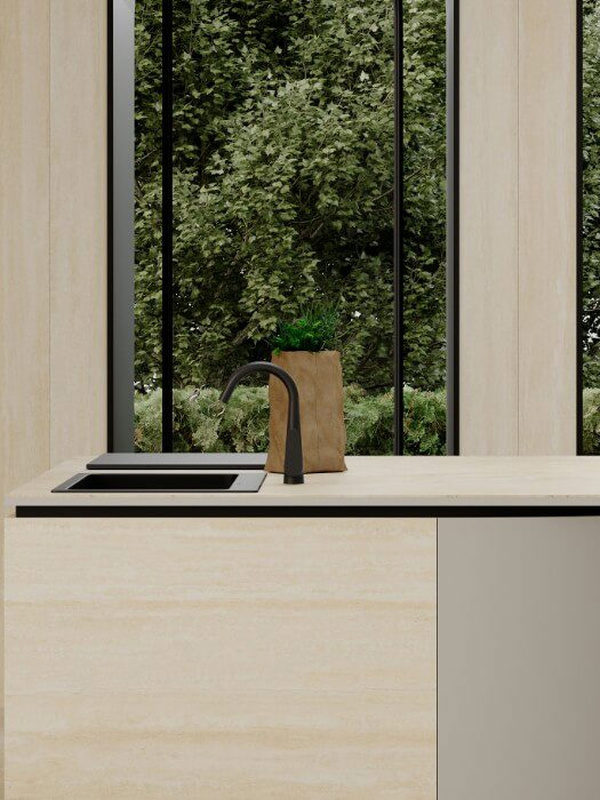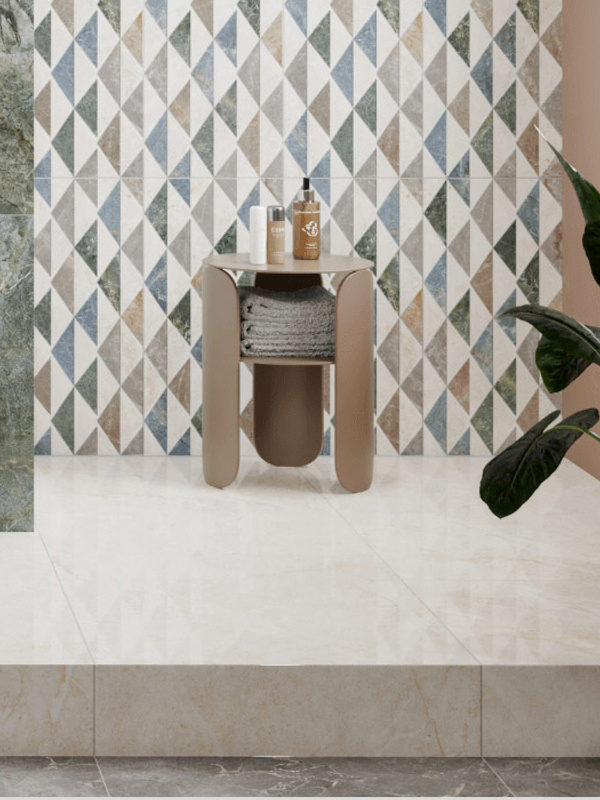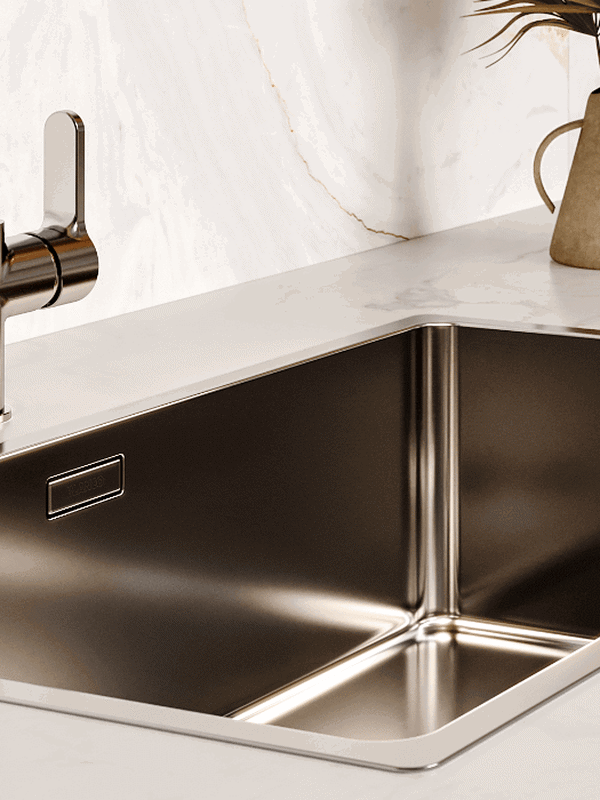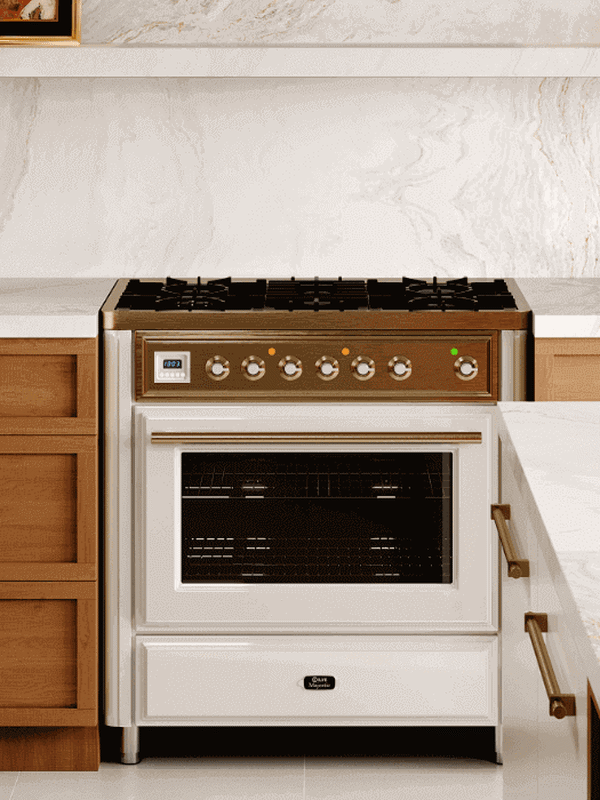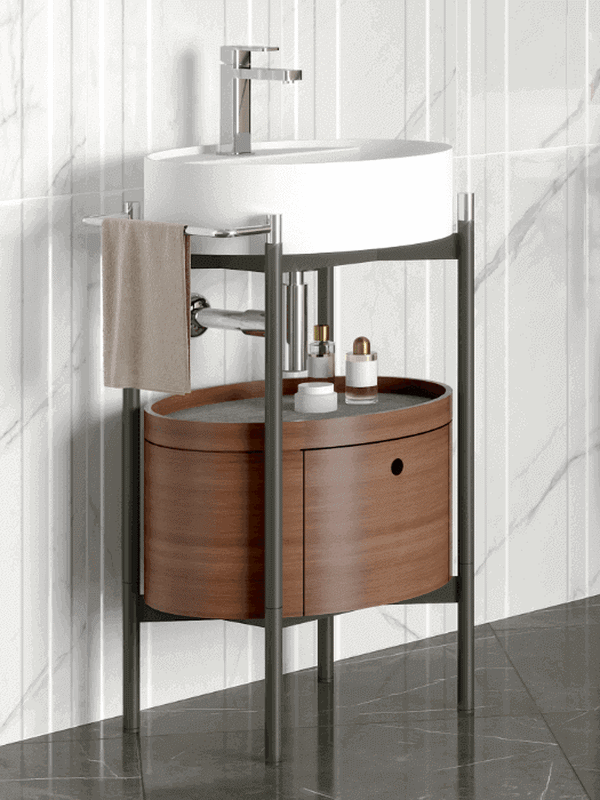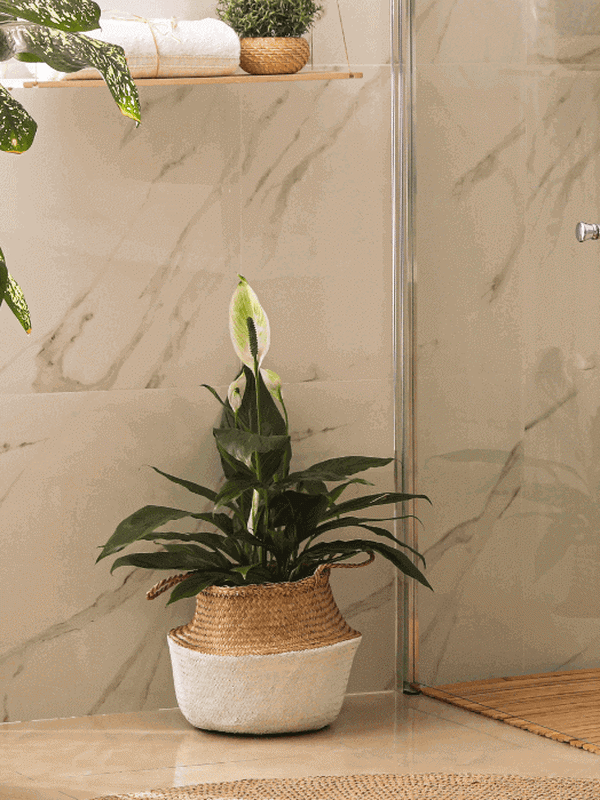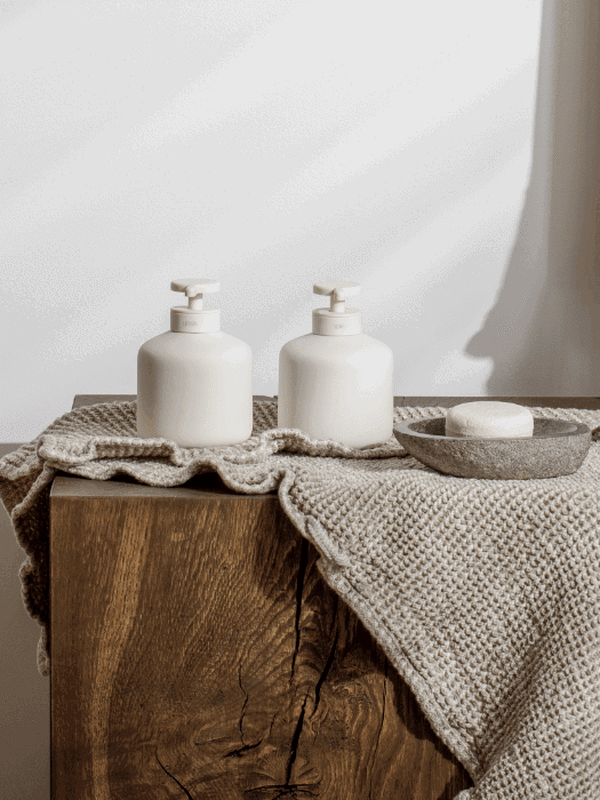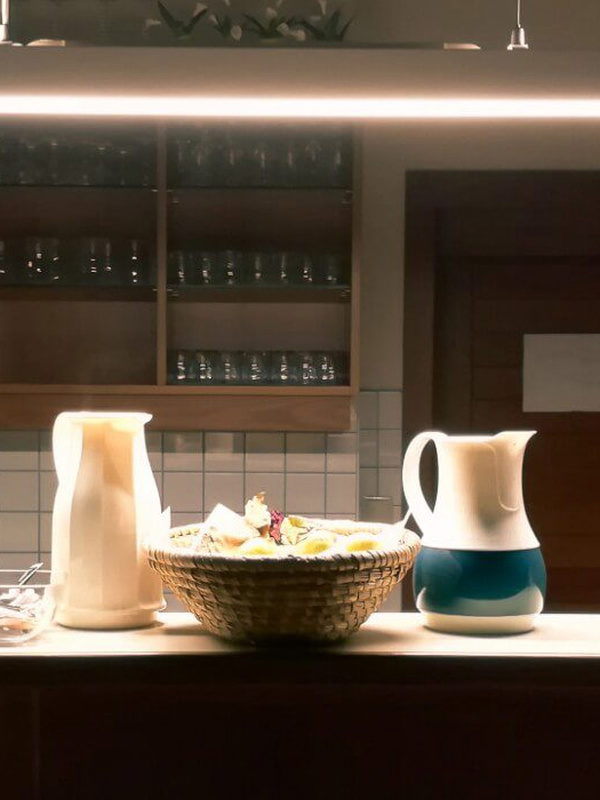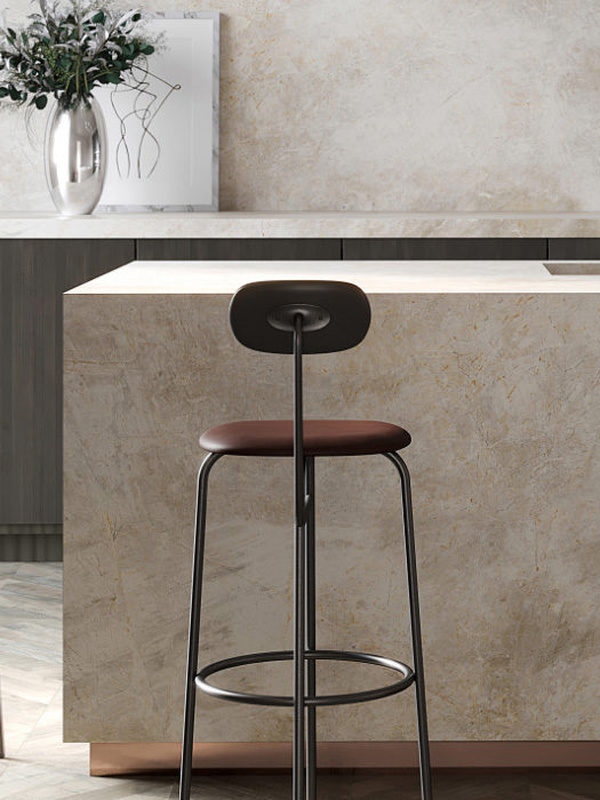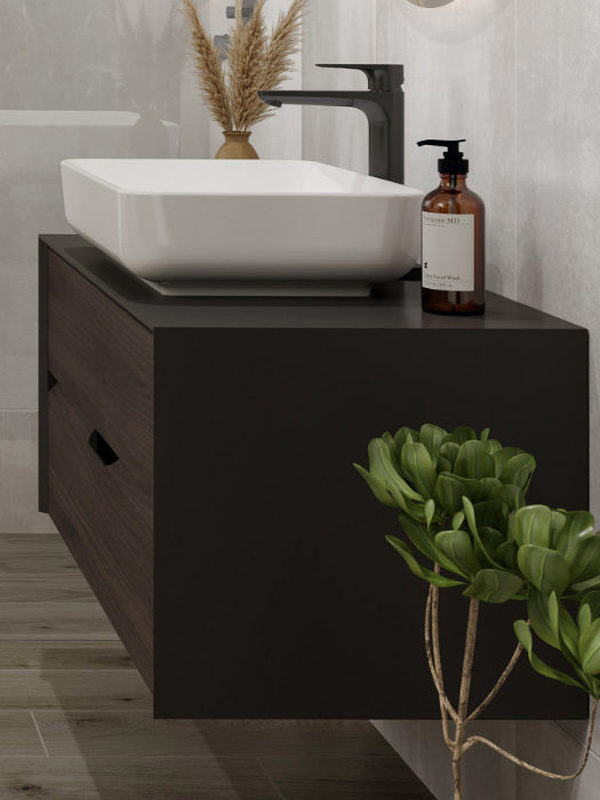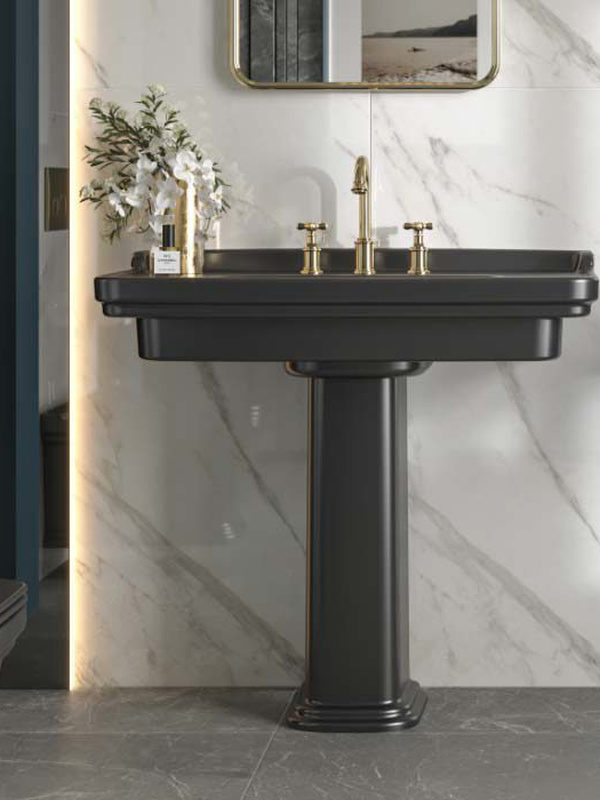
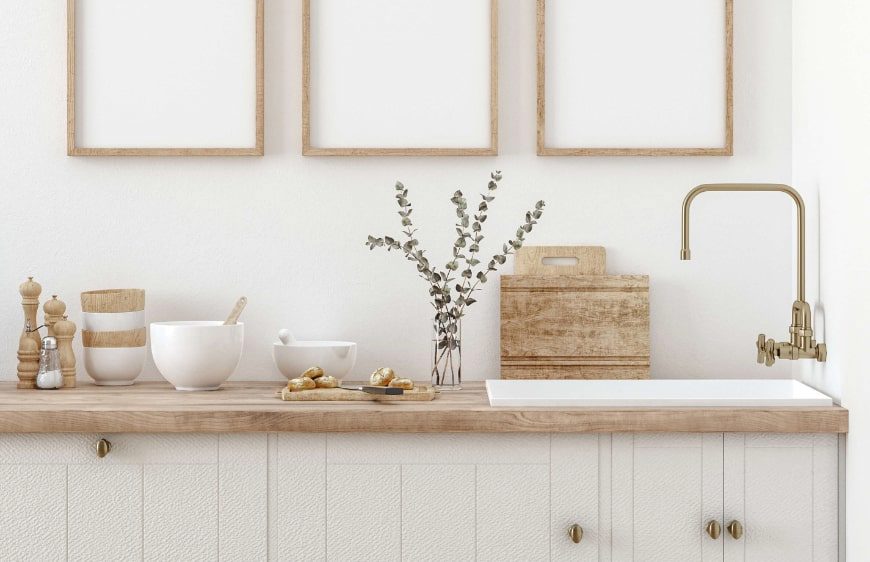
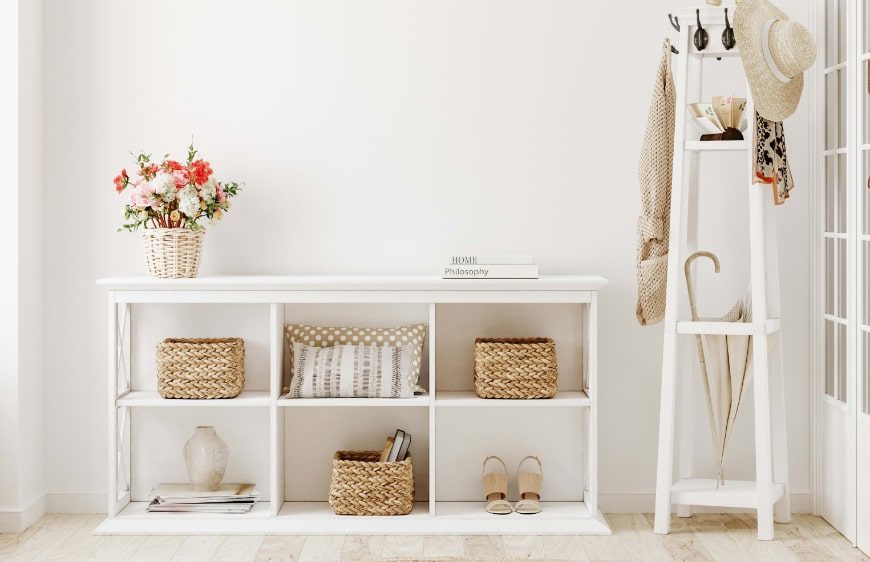
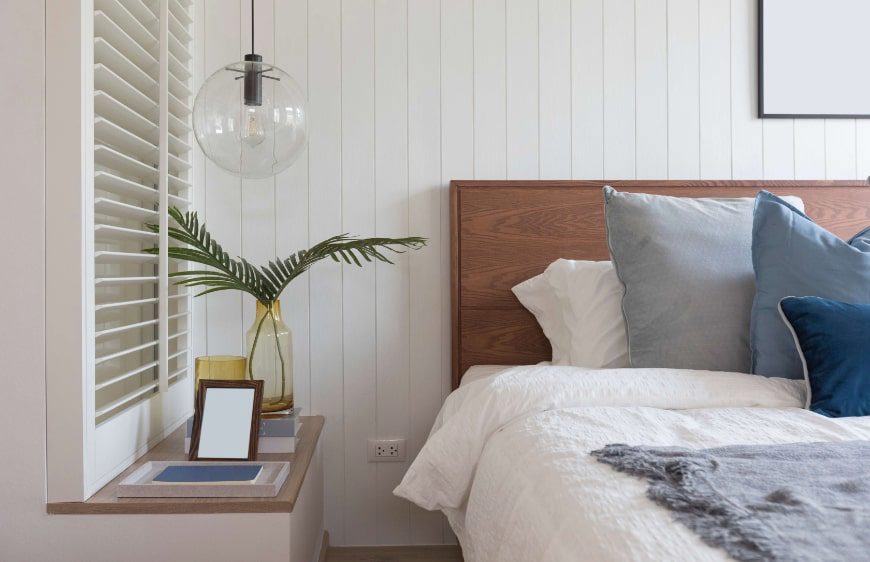
Both styles call for white walls as a starting point. If you are worried this might feel dull, you can choose softer shades of white such as cream, bone, ivory or rice white for your palette. These tones help create an airy, fresh and relaxed interior, make spaces look larger and allow decorative pieces to stand out. The styling trick with white walls is to create further layers using textured surfaces. In front of plain white walls, for example, consider distressed white wooden cupboards, off-white linen curtains with natural creases or a marble table in shades of white. This easily softens the coolness of the backdrop.
5 Inspiring Style Steps for a Rustic, Sea-Loving Interior
How can we create a natural interior that brings together styles united by their love of nature?
Their devotion to nature and natural materials brings rustic and nautical styles close together. With these five style steps, you can blend the two approaches, which use complementary materials, and skilfully bring nature into your living spaces.
- Start with a white interior
- Put comfort first when choosing furniture
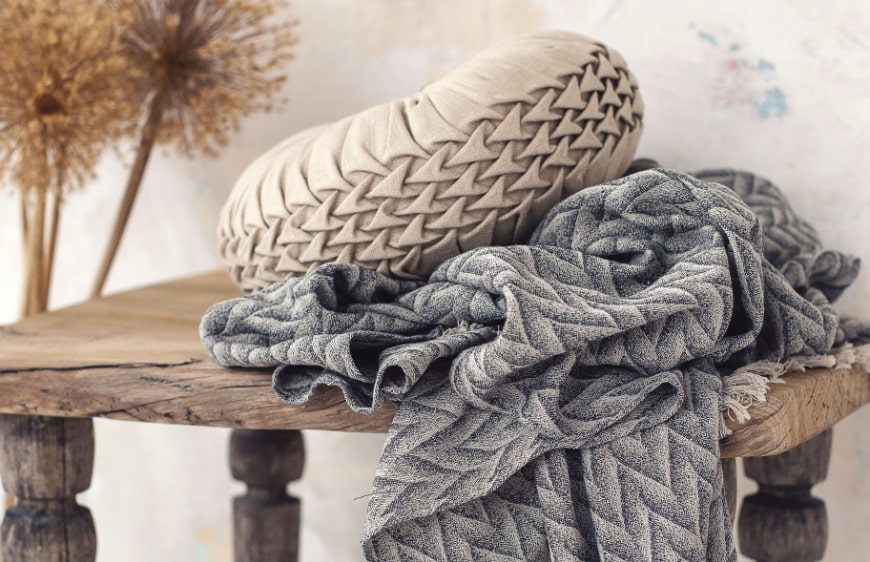
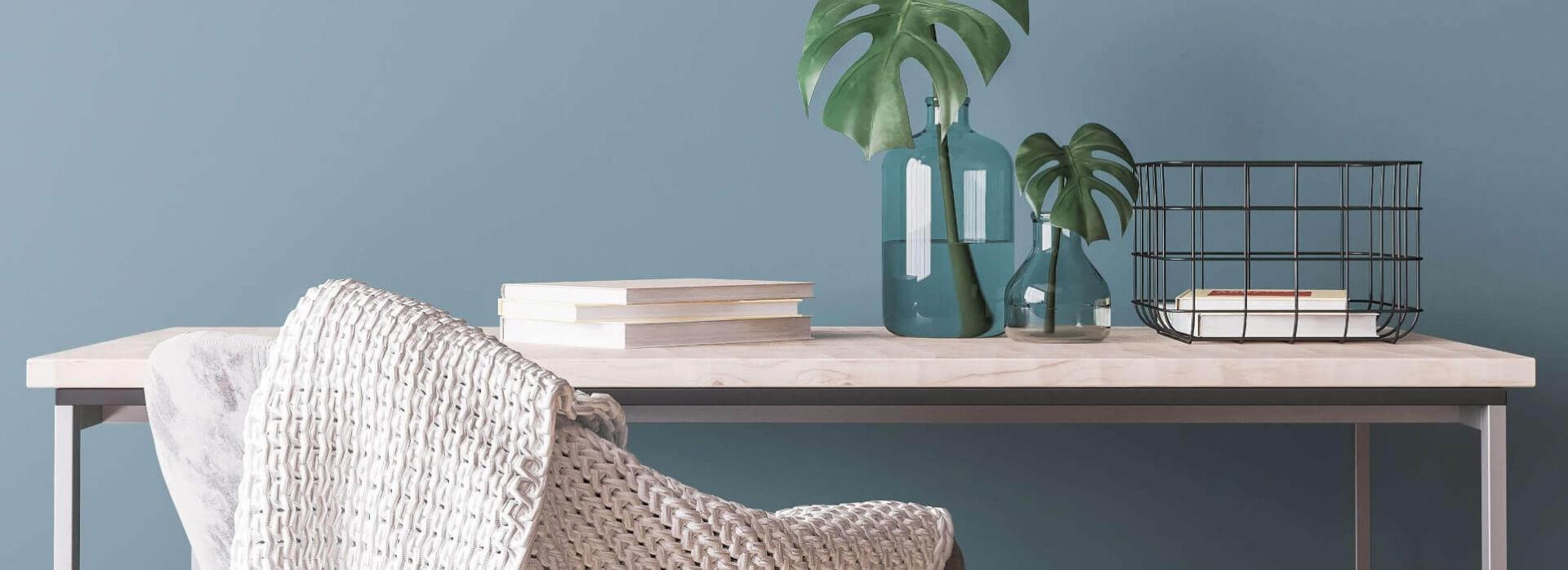
Wood is the defining material in rustic and nautical homes. For upholstered furniture, continue with nature-inspired materials such as leather, linen and cotton—for example, a leather Chesterfield sofa with wool throws—and an earthy colour palette. Neutral shades such as sand beige, nude, kraft brown, chalk white and grey can meet warmer tones of terracotta, earth and spice. In nautical style, these warm shades give way to ocean colours such as navy, indigo blue, turquoise, sea green and coral.Both styles call for upholstered furniture that conveys comfort and generous seating. Wood makes its mark through details: coffee tables, chairs, cupboards, shelves and tables in oak, pine or maple, with simple modern forms, should be finished with dark metal fittings. We recommend avoiding heavily carved furniture and keeping shapes as casual and simple as possible.
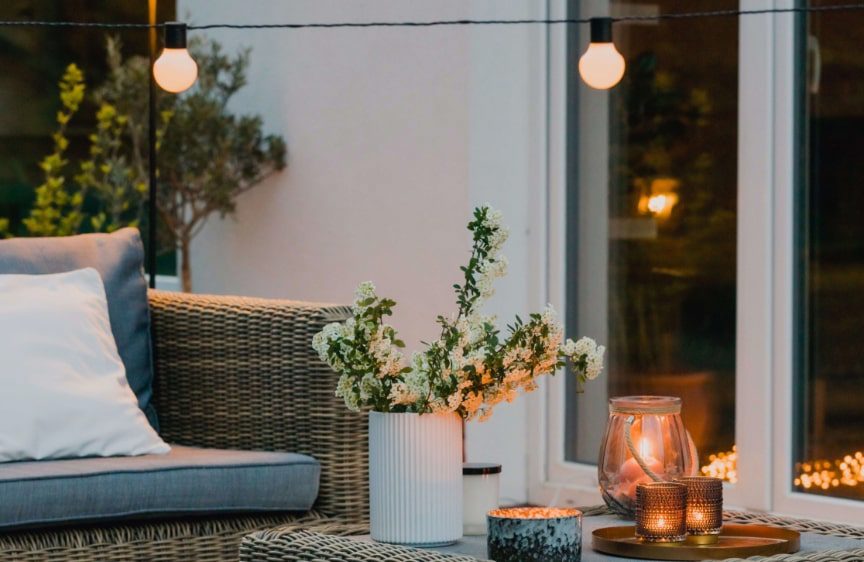
Beyond daylight and ceiling pendants, accent lighting takes centre stage indoors. These lights highlight selected points through tripod floor lamps, table lamps with rounded bases, linear wall lights and freestanding light sources illuminating from floor level. Nautical interiors can feature porthole-shaped wall lights and fittings made with rope, ceramic, glass, chrome, brass or copper, all recalling the sea. Rustic interiors can favour chandeliers in weathered wood or with metal frames painted dark brown, black or anthracite. Remember, however, that both styles gain much greater depth through candle arrangements grouped in holders of different heights.
- Create accent lighting
There is no denying the love these two nature-inspired styles have for daylight. Rather than covering windows and doors that bring sunlight and its shadows inside, leave them as open as possible. Traditional wooden shutters are a shared feature of window treatments in both styles.
- Floors with style
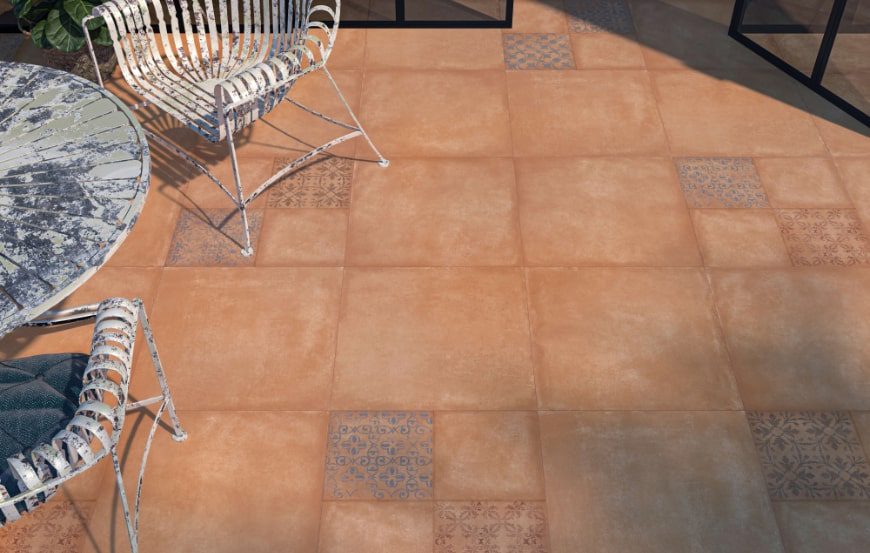
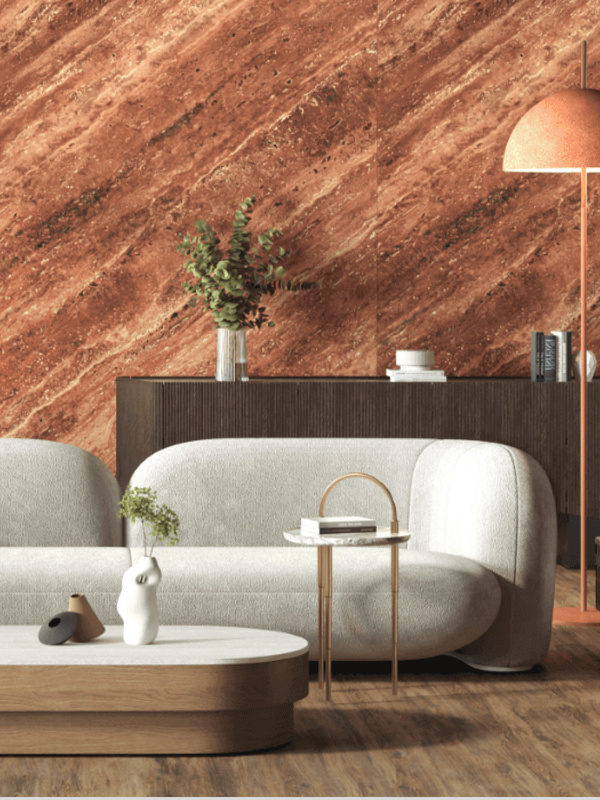
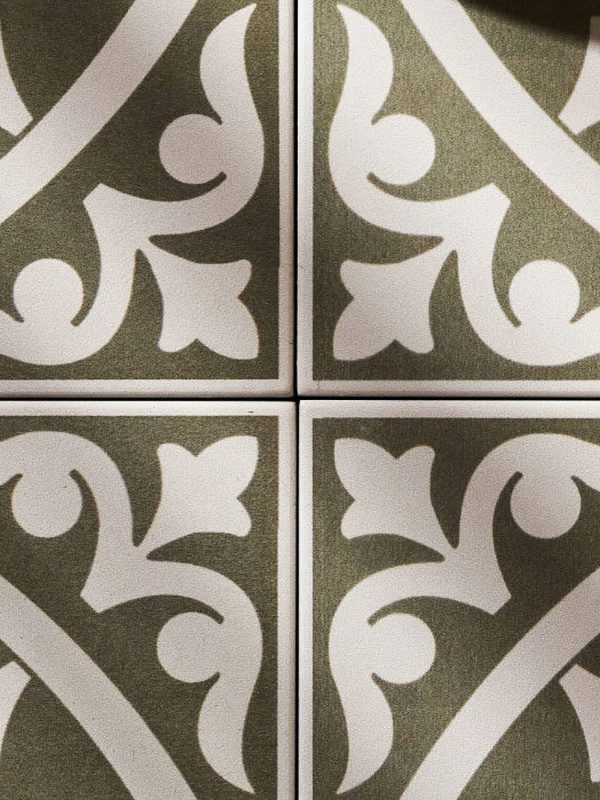
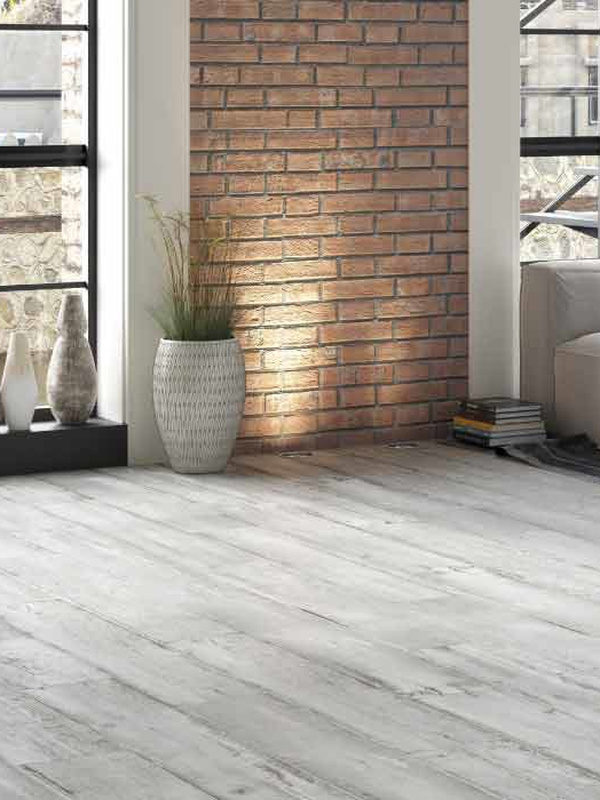
Floors are perhaps where the two styles meet most naturally. Natural floor coverings, led once again by wood, come to the fore. Parquet or parquet-effect ceramic tiles are frequently used in rustic and nautical interiors. If you would like to break up the monotony of wood, stone, nostalgic decorative tiles and terracotta-textured surfaces offer the answer. Particularly in wet areas indoors and out, these options add natural accents with an emphasis on craftsmanship.For terracotta-effect ceramics, Kalebodur’s Courtyard series is an ideal choice, with three different decorative patterns. The brand’s Rockstone series brings natural stone textures into interiors in five colour options.
- Patterns and accessories
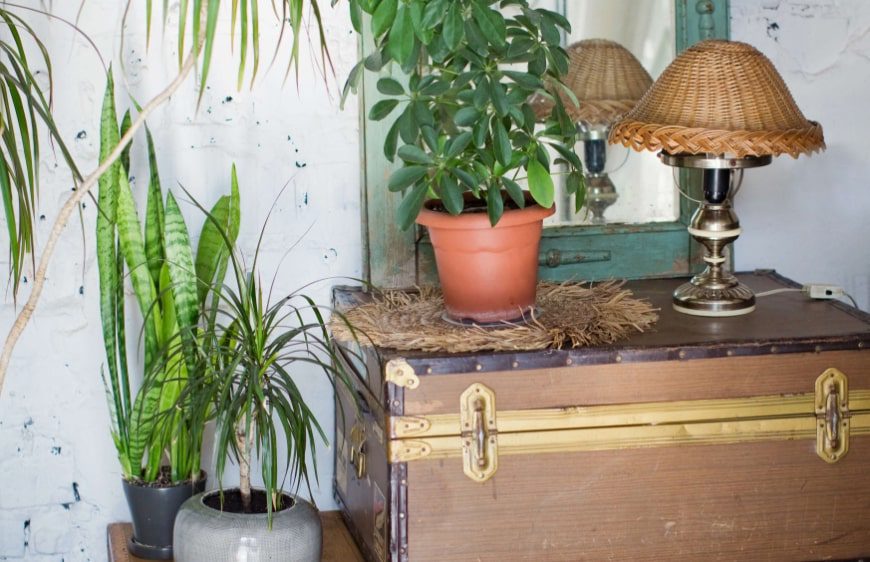
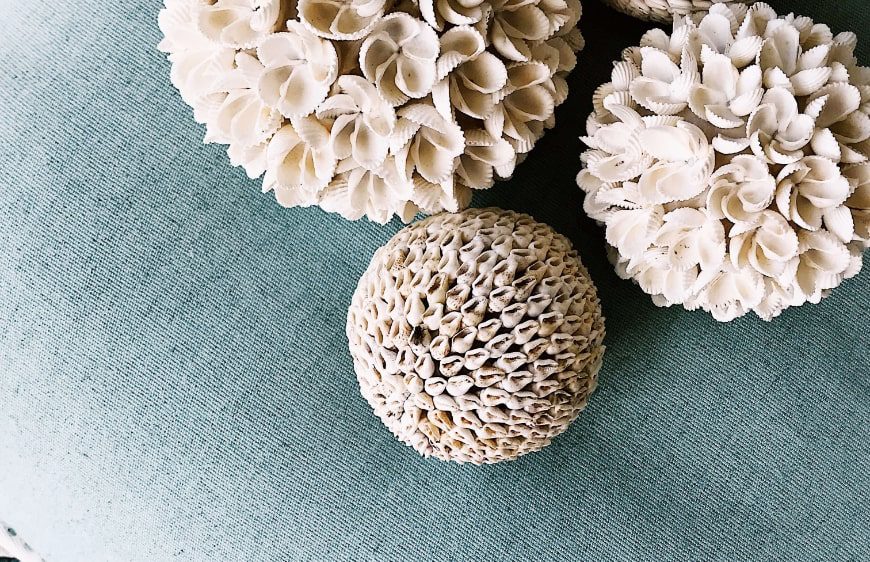
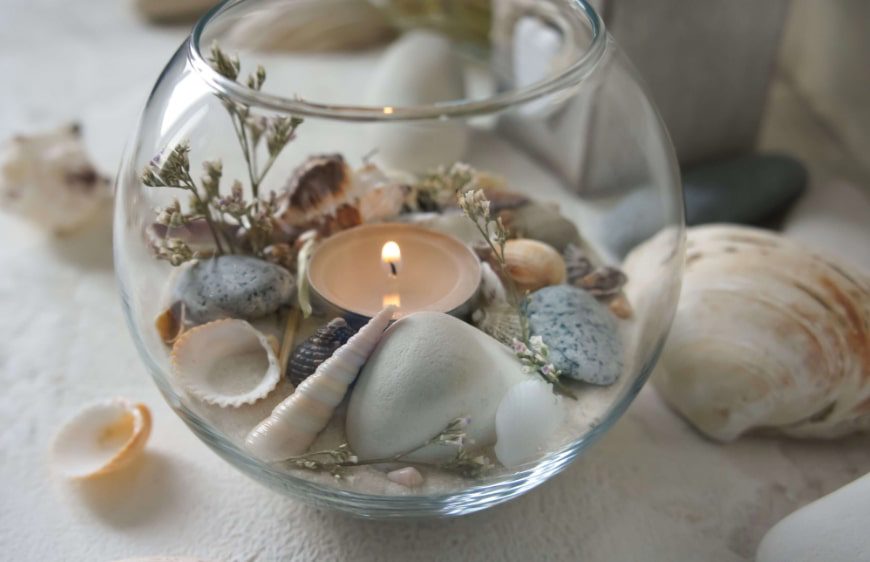
Here the paths diverge, because the power to distinguish these styles lies in accessories and textile patterns. As you might expect, nautical style calls for details inspired by maritime culture: branches weathered by waves, salt and wind, seashells, model sailing boats, anchors, lanterns and maps give it its voice. Rustic decoration, meanwhile, is defined by old leather trunks, reclaimed-wood shelves, paintings depicting pastoral life, ceramic or earthenware plates, pots, bowls and vases, log tables, cushions made from ethnic kilims, baskets and metal globes.
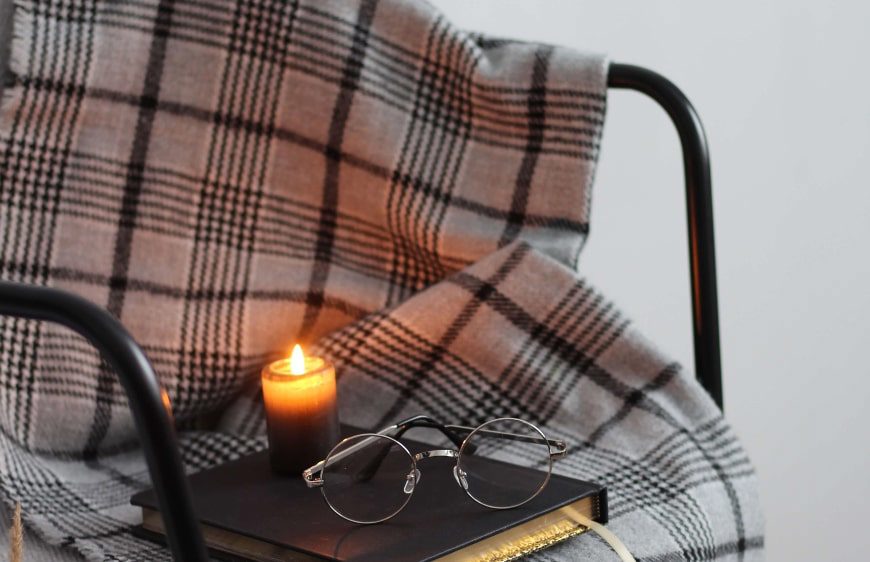
Alongside patterns featuring the motifs mentioned above, rustic style favours buffalo check—two-colour squares resembling a chessboard—gingham, tartan, stripes, animal and plant motifs, and toile de Jouy. Nautical style, meanwhile, favours sea charts, marine life, polka dots, chevrons, stripes and herringbone.