3 Timeless Classic Decorating Styles and Tiles That Reflect Them

3 Timeless Classic Decorating Styles and Tiles That Reflect Them

Technology has accustomed us to a fast pace of life, and keeping up with the speed at which trends change is now difficult. Yet some concepts transcend fashion, trends and popularity, retaining their value for years. Here are 3 timeless classic decorating styles and tile choices that reflect their character.

Shall we begin with a few words about classic style? Until recently, as modern, youthful, exciting and dynamic contemporary styles emerged, classic interiors were often considered heavy and old-fashioned. We would hesitate to say they have “returned”, however, because they never really moved. A group of enduringly popular classic styles has held its ground without changing its principles. Trends have come and gone, while these styles have watched it all from the same vantage point.
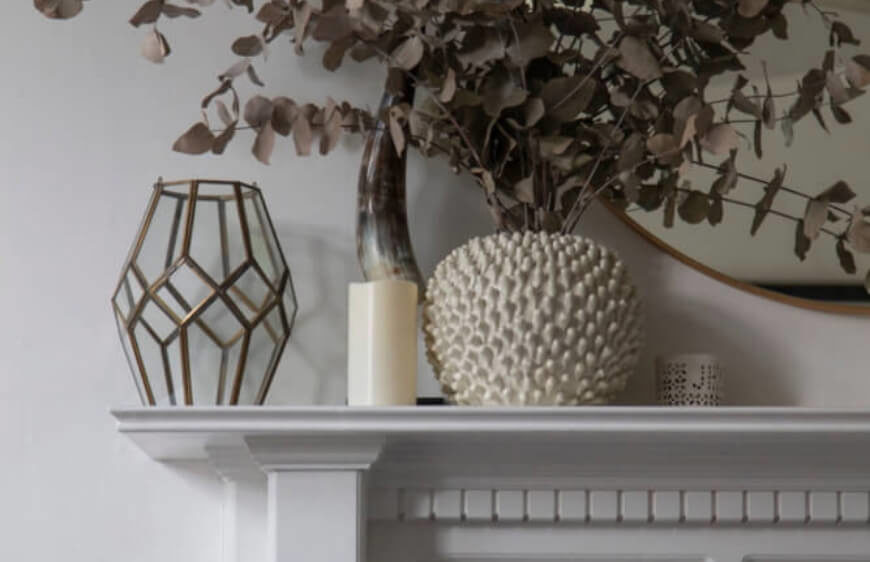
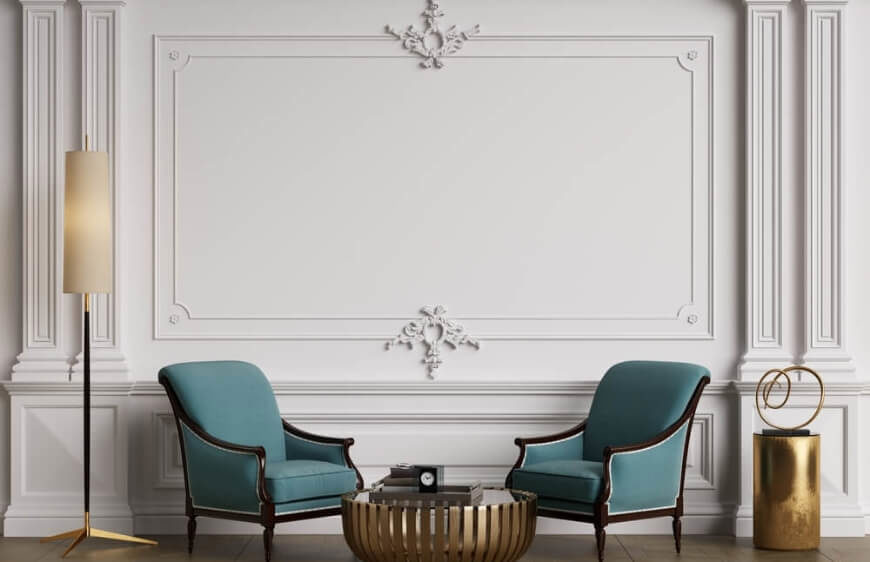
Classic interior decoration is a broad term for styles that emerged and matured ages, rather than years, ago. They evoke their period of origin and draw inspiration from all its arts and crafts, including architecture, painting, sculpture, music, film, ornamentation and carving. Spanning the Middle Ages to the 1940s and expressing different moods, from grandeur to romance, these styles share a traditional outlook. Their principles pass from generation to generation, preserving their character without compromise.

More recent, relaxed styles such as minimalism, pop art, hippie, industrial loft, avant-garde and Scandinavian design drew some attention away from classic interiors. In recent years, however, professionals have embraced them again, updating them with contemporary textures and restoring their place in the range of decorating styles.Let us explore the classic styles that still retain their relevance, renown and popularity in 2022, sharing the beauty of the past with younger generations, and discover products that bring their distinctive details to the floor.

  1. Georgian Style

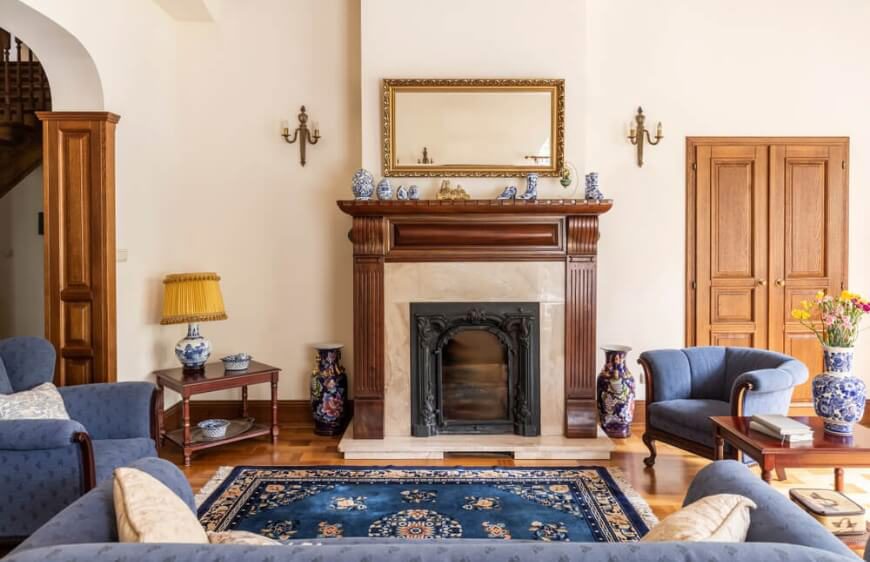
Traditional Georgian decoration originated in England and developed during the reigns of the four King Georges, from 1714 to 1830. Bringing elegance to homes with high ceilings, large windows and refined ornamentation, it creates a sophisticated, welcoming atmosphere.

Georgian architects drew inspiration from ancient Roman and Greek art, incorporating many classical details into English aristocratic homes. In Georgian houses, for example, you can see all three classical Greek column orders: Ionic, Doric and Corinthian. Decorators also used Roman-style vases, urns and sculptures to enhance interiors.

Georgian furniture makers worked with an artist's eye, choosing sumptuous materials such as mahogany, marble, bronze, silver and crystal. For fabrics, they favoured soft pastel colours such as pea green, mauve and pale pink.

Decorative motifs often featured mythological creatures such as satyrs, sphinxes and griffins in fabrics, sculptures and paintings. Geometric ornament, traditional Greek ribbons and wreaths also belonged to this decorative vocabulary.

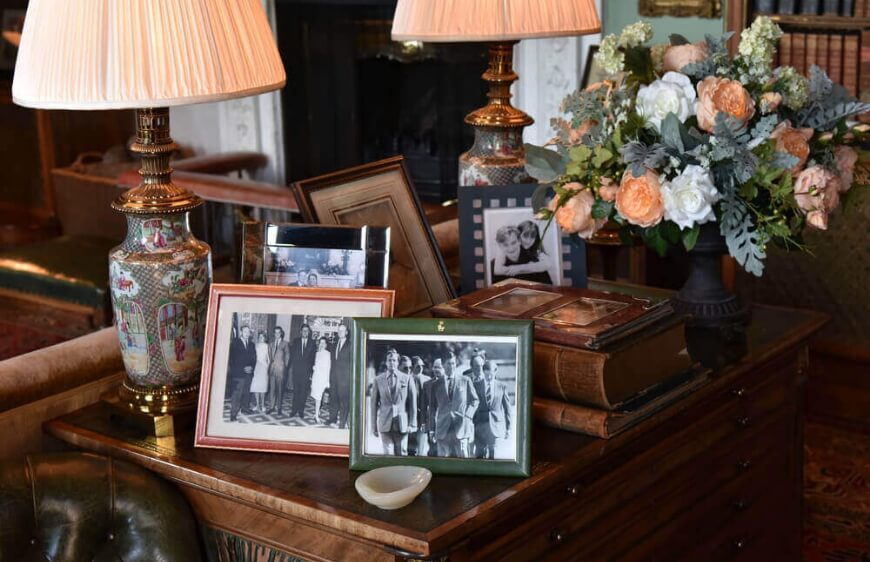
As you may have gathered, Georgian style is more imposing and grand than English country style. Today, it remains popular in homes whose owners love a confident classic look. Despite abundant ornament and accessories, its generous, comfortable furniture makes it deeply comfort-oriented and elegant. Those wishing to combine an aristocratic atmosphere with an intellectual identity and a sense of history adapt a simplified Georgian style, gradually collecting antiques to develop it over time.
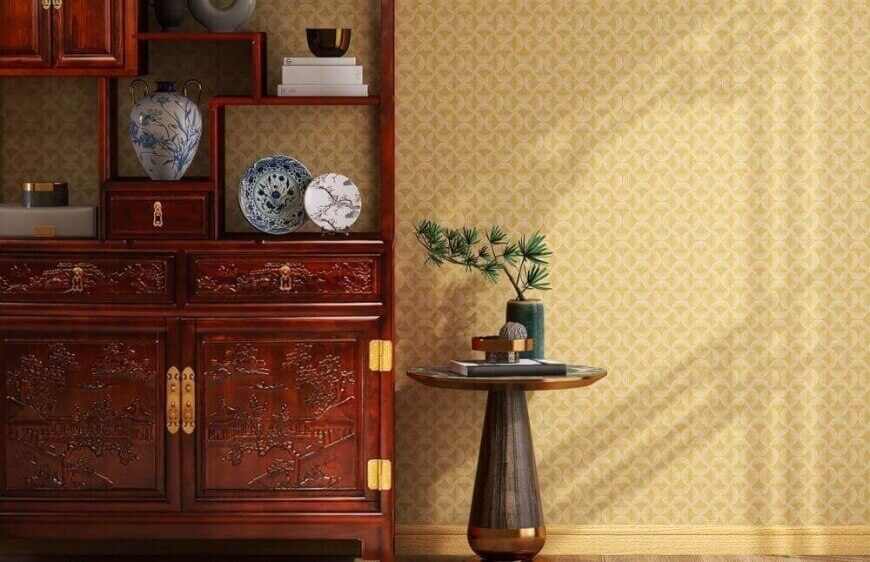
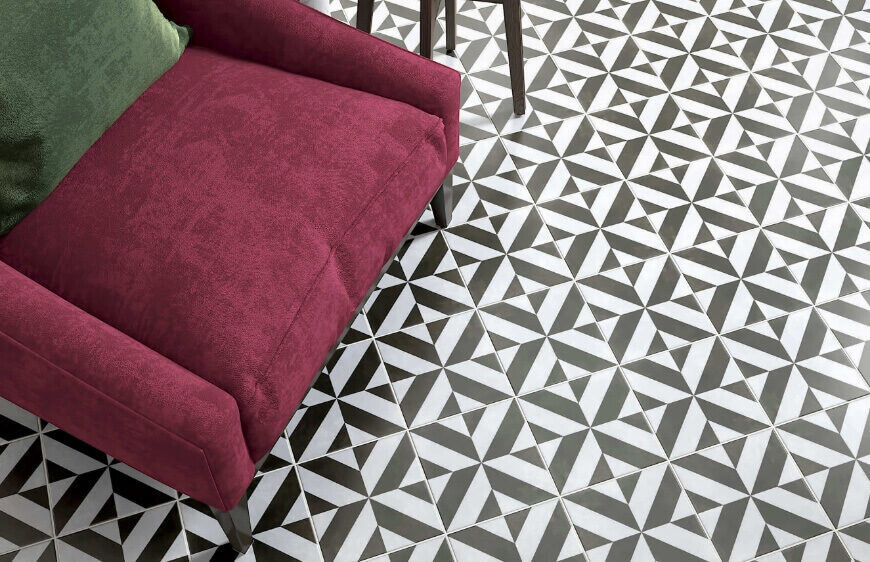
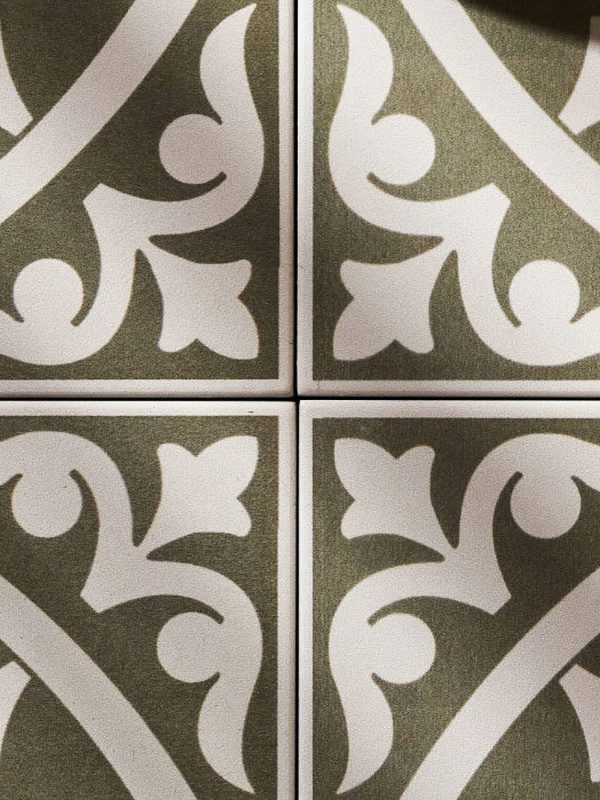
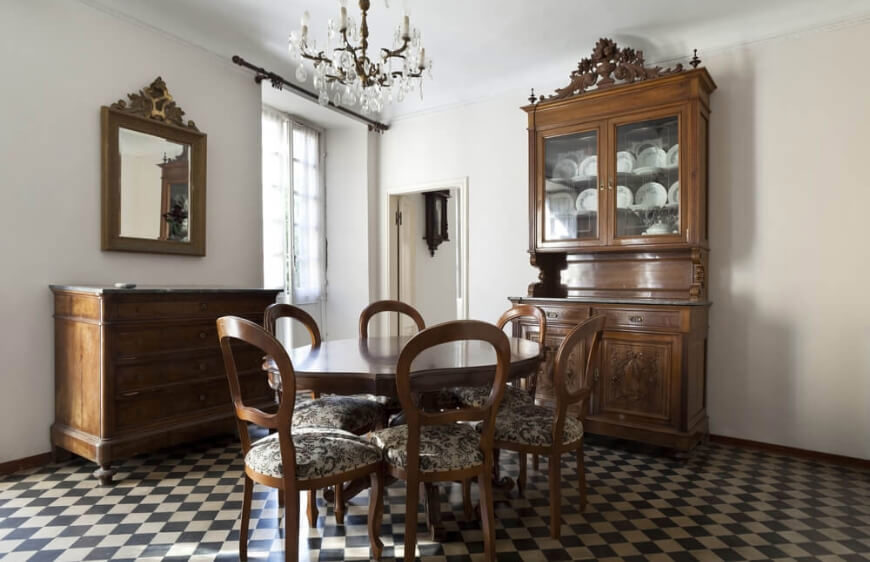
Living rooms, dining rooms, studies and bedrooms in this style feature antique rugs over parquet floors. Transitional areas such as halls and corridors, however, generally use natural stone or chequerboard tiles, alongside Roman-style paving patterns. If you are looking for tiles with these characteristics, consider Çanakkale Seramik's Roma collection, with paving-stone and pebble textures, and the Pera and Ornament collections, with traditional tile patterns.

  1. French Country Style

French country style is inspired by rural French homes, combining the raw, lived-in qualities of rustic design with romantic elegance. Although it originated in Provence, its unpretentious, spontaneous comfort and simple beauty have made it popular in countryside settings around the world. Three characteristics define French country style:

  • Textiles in pastel colours with understated patterns

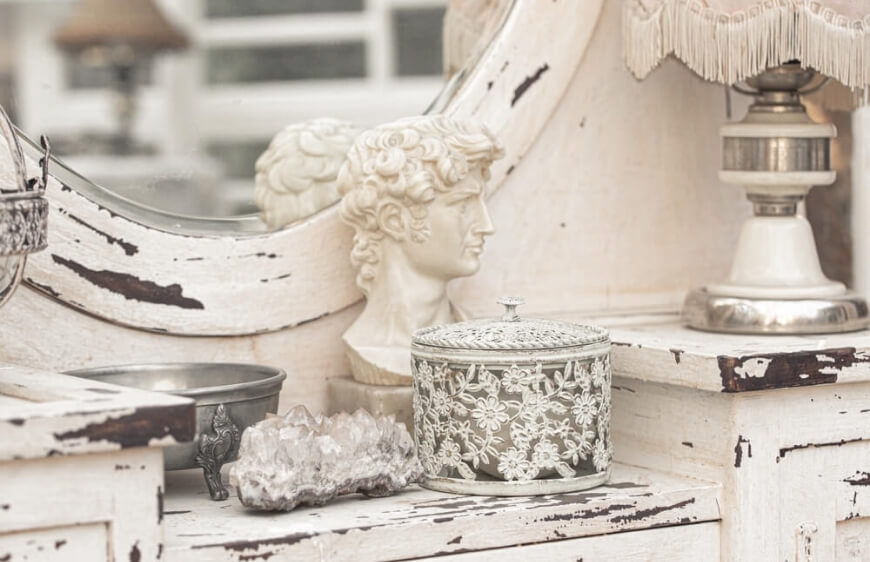
  • Distressed, patinated furniture and accessories

  • Natural textures such as ceramic, glass, wood and stone

French country colours occupy the medium- and low-intensity areas of the colour wheel: pastel yellow, powder pink, light mint and cream. Fabrics also feature richer shades such as sun-faded mustard, terracotta and taupe, recalling the pigments in the region's clay soil. They often have the naturally creased, raw beauty of linen.

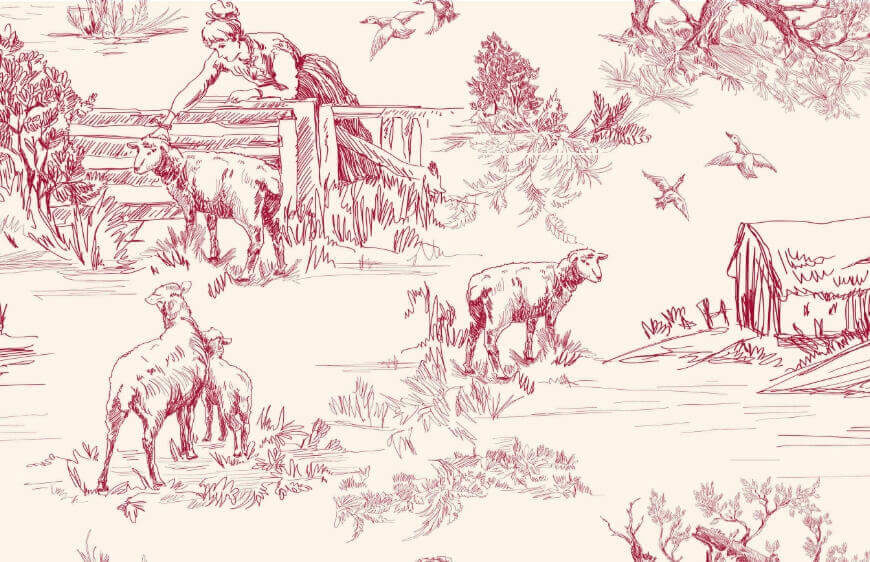
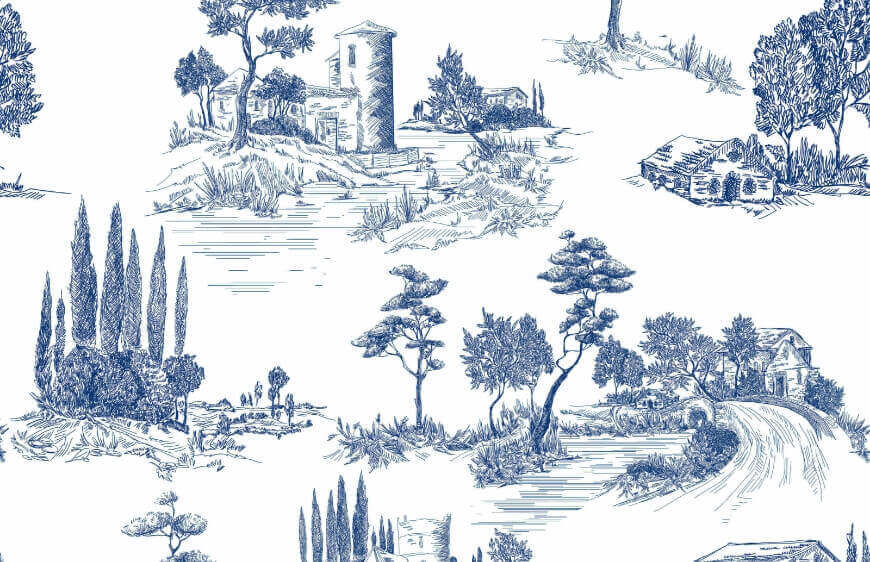
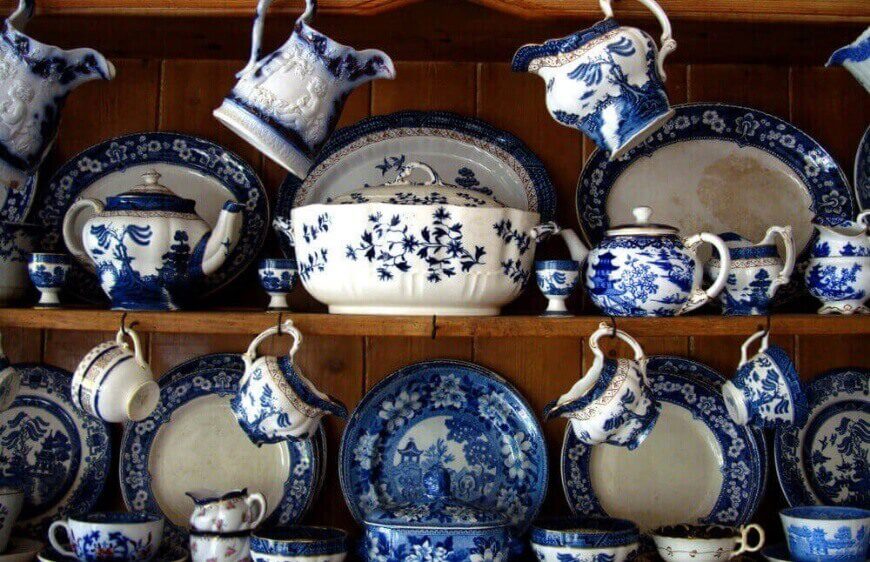
Toile de Jouy is a traditional pattern used in upholstery, curtains, table linen, cushions and wallpaper in French country homes. It takes its name from the 18th-century factory in Jouy-en-Josas, near Versailles, where the fabric was first printed. You will recognise its repeating arrangements of human figures in landscapes wherever you see it. Today, it is used to draw attention in many styles, not only Provençal homes, even appearing in neon colours. Its great advantage is that it combines well with numerous other patterns, including stripes, checks, squares and small florals.


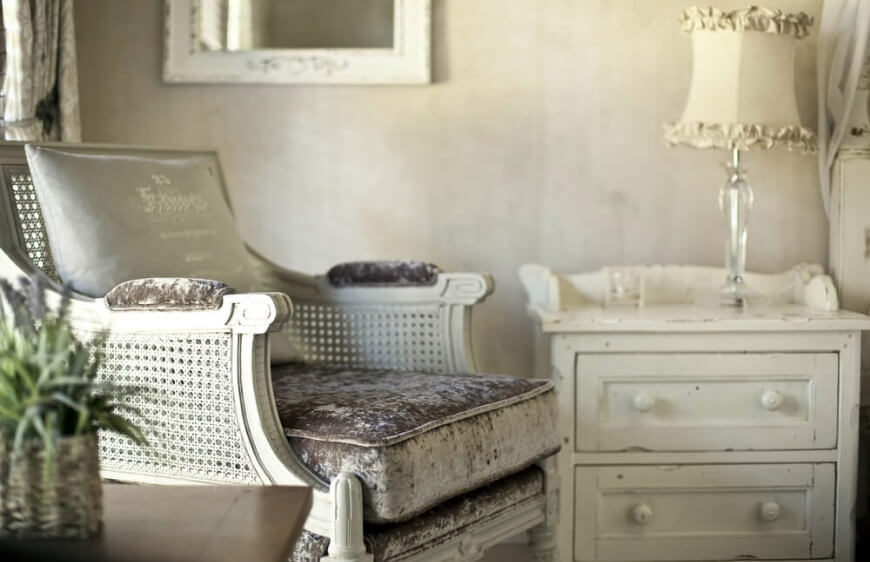
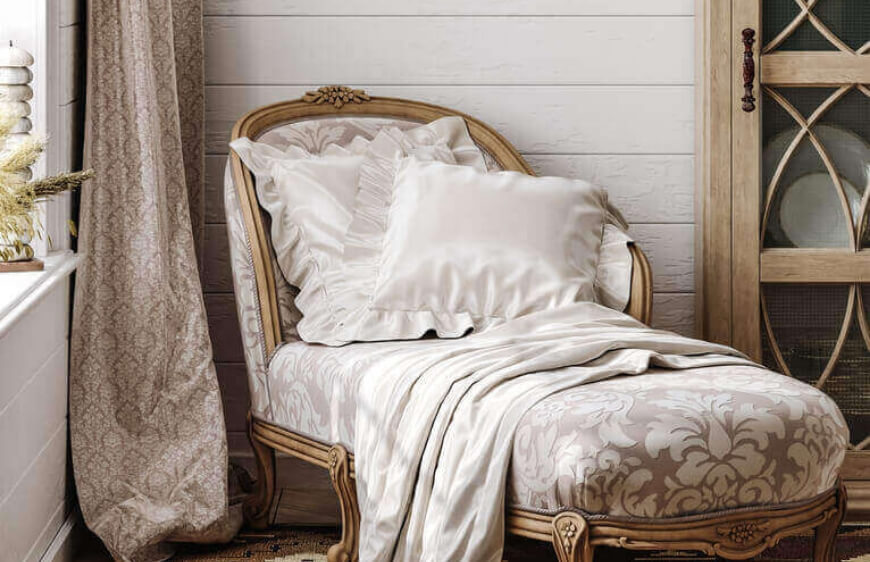
When it comes to French country furniture, the key word is comfort. Generous sofas are always dressed with soft cushions. Tables, side tables and bookcases feature craftsmanship that emphasises simple curves rather than elaborate carving. A patinated, aged appearance is preferred to a flawless paint or varnish finish. Alongside wood, aged wrought iron and brass are common materials. Furniture was, in fact, central to the style's beginnings: in the 18th century, more affordable adaptations of luxurious Rococo furniture made for royalty were produced for wealthy families in the French countryside. Over time, this developed into a style that remains much loved today.
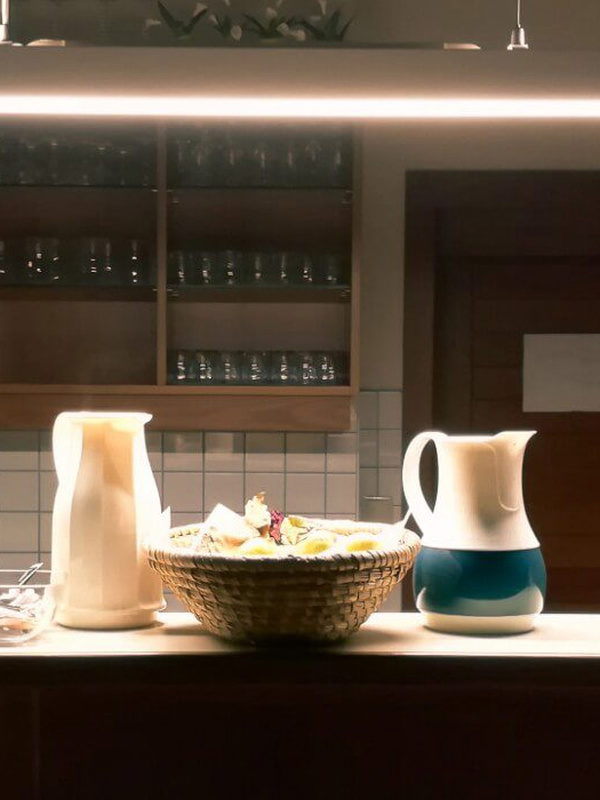
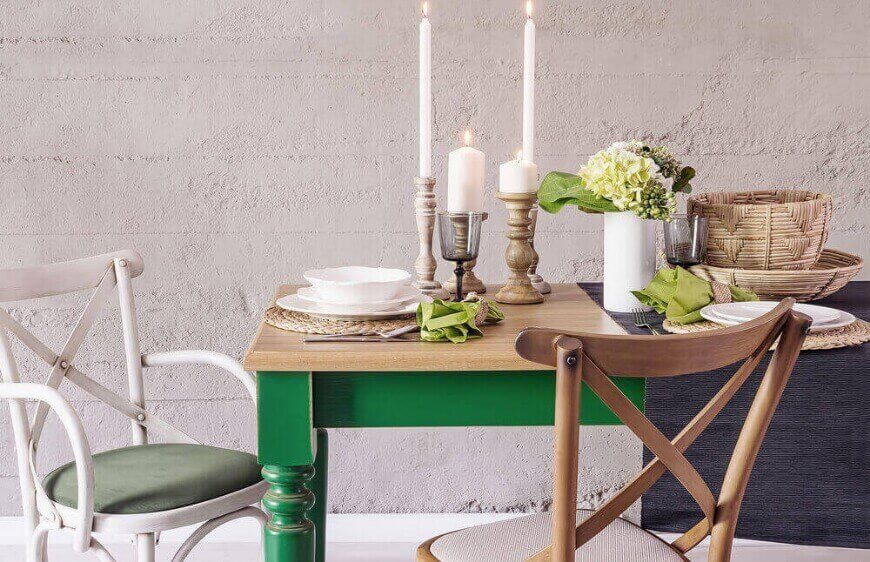
A chandelier made from distressed wood or wrought iron is essential to a traditional French country dining room. A dining table surrounded by different yet harmonious chairs completes a relaxed, welcoming living space. French country rooms are fundamentally airy and filled with sunlight, reflecting the desire for an atmosphere closely connected to nature.

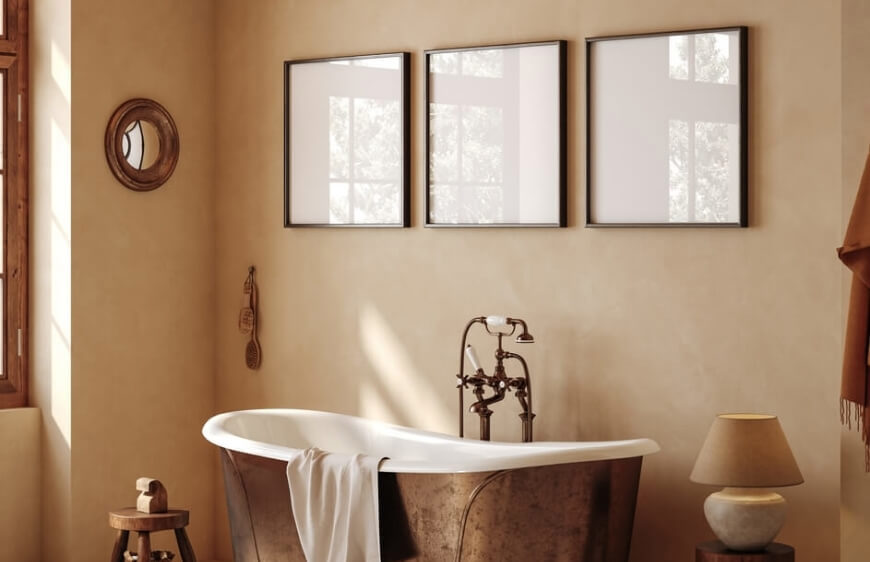
French country houses have distinctive architectural features such as exposed timber ceiling beams, natural stone, timber-board or terracotta floors, and high ceilings. Their kitchens are also spacious and comfortable. With open pantries, shelves filled with jars and bottles, wrought-iron pot racks and plenty of copper cookware, Provençal kitchens are known for their almost signature decorative extractor hoods. French country bathrooms feature a small crystal chandelier, candlestick-style wall lights, a carved mirror with a distressed painted finish, a wrought-iron towel rail and an old claw-foot bath.

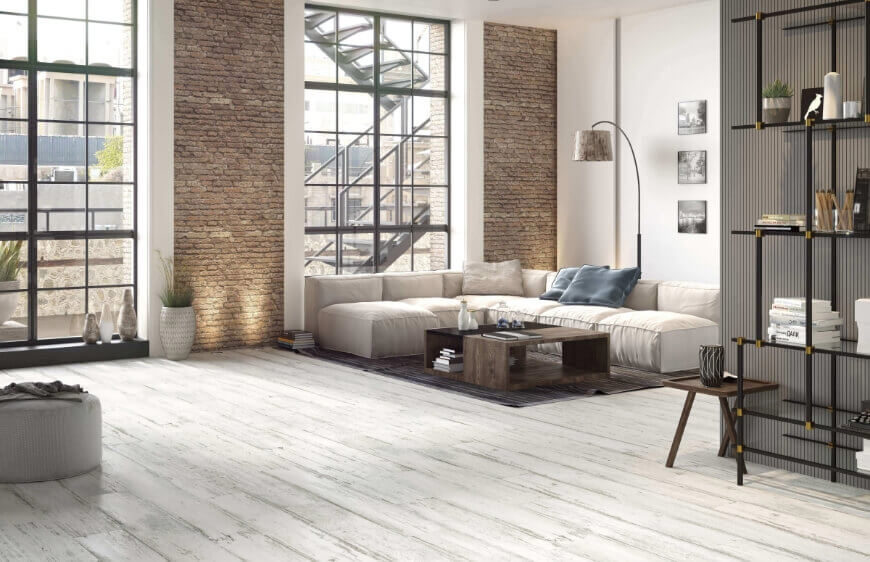
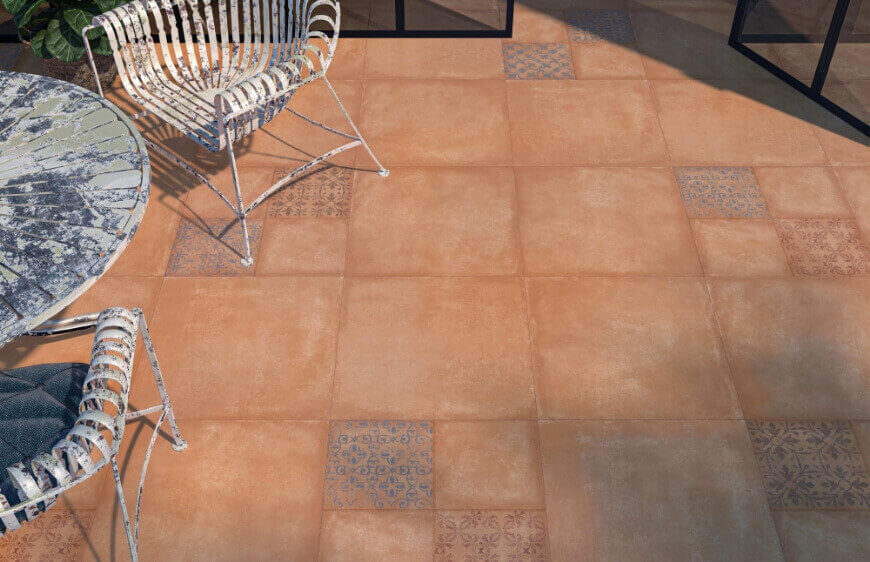
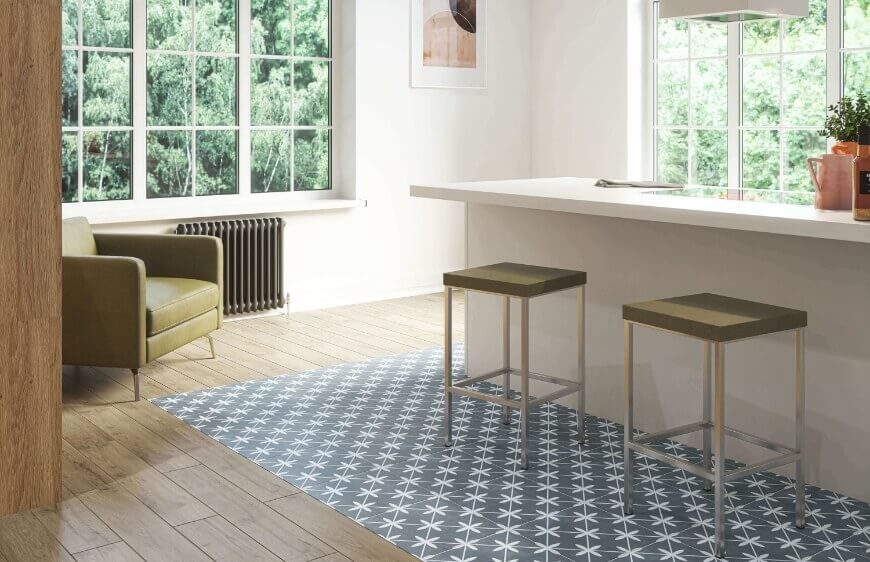
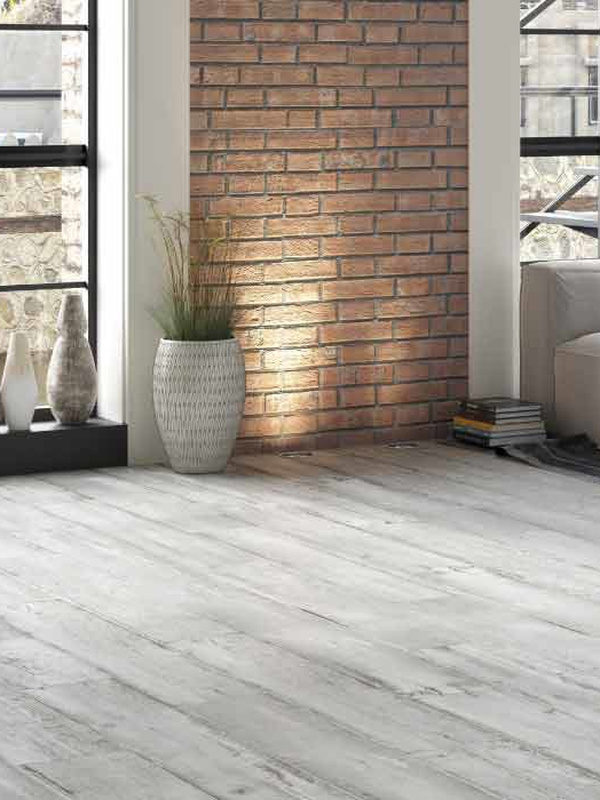
As mentioned, French country floors often feature natural, matt materials such as stone and terracotta, as well as patinated timber boards. Recreating this atmosphere with the original materials today can be costly, laborious and raise questions about durability. Porcelain and ceramic floor tiles, however, offer examples that capture all three textures. Çanakkale Seramik's Garden (rock texture), Grava (pebble texture) and Chakra (white wood texture) collections, along with Kalebodur's Renova Wood (patinated white wood), Stoneart (natural stone) and Courtyard (terracotta) collections, are among the options that complement this style.

  1. Colonial Style

From the 16th to the 18th century, the size of the British Empire was defined by the colonial territories under its rule. Importing new products such as tea and rubber, and extending its territories from Africa to India and the Caribbean, Britain became one of the leading powers of its time.

During that period, European travellers, particularly the British, travelled to these continents to learn about the territories they controlled, explore new places and seek adventure, often spending years away. Colonial decoration emerged to meet aristocratic travellers' needs in their living spaces and gained an enduring place in design history. It can also be seen as a starting point for today's bohemian style and its warm, southern-inspired approach to interiors.

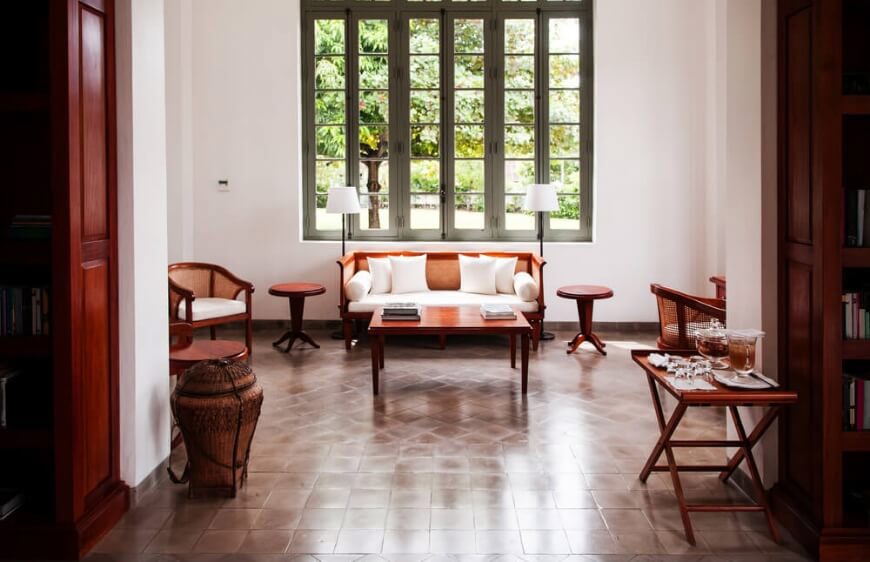
Colonial style is somewhat eclectic. It combines a formal character dominated by leather and wood with a local sensibility expressed through regional rugs, traditional fabrics and natural textures such as jute and woven straw. Fabrics reveal an admiration for the local habitat through motifs such as palm leaves and ferns, while interiors combine fibrous materials such as rattan, bamboo and woven straw with the strong presence of substantial woods such as mahogany.

Furniture that appears ready to be packed up and moved at any moment is central to colonial style: folding writing desks and chairs, serving trolleys and easy-to-assemble wardrobes. Everything should be elegant yet easy to set up and take down. The overall atmosphere should feel tropical and aristocratic, airy and gently dramatic, with shadows filtering through shutters.

Think of desert tones for the colour palette, ranging through brown, beige, hazelnut and camel. Travel-related accessories such as maps, globes, artworks, trunks, suitcases, hats, binoculars and postcards can all contribute to the theme.

Aged leather is one of the style's main sources of inspiration. A distressed leather Chesterfield sofa with brass studs, for example, is a classic essential in a colonial living room. The second principle is shutters everywhere: louvred panels appear not only at windows but also on cabinets and framed doors.

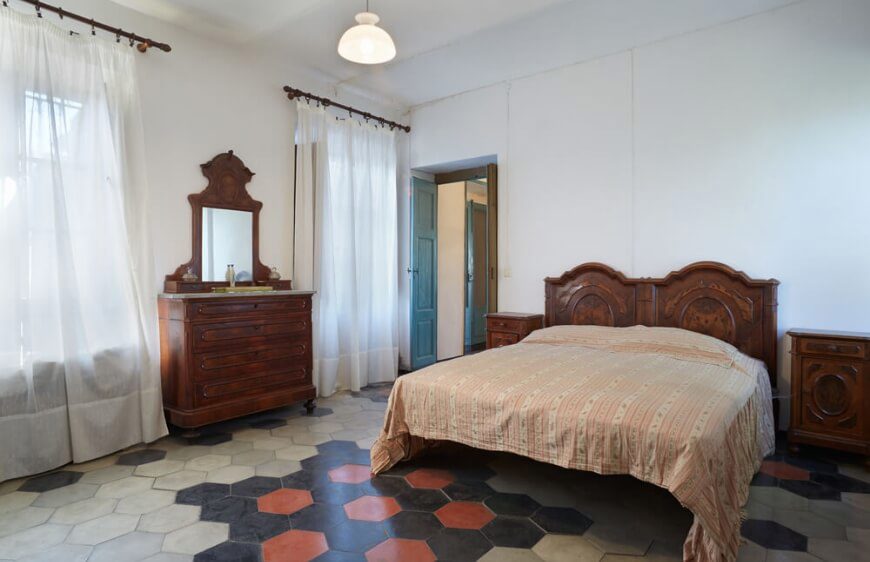
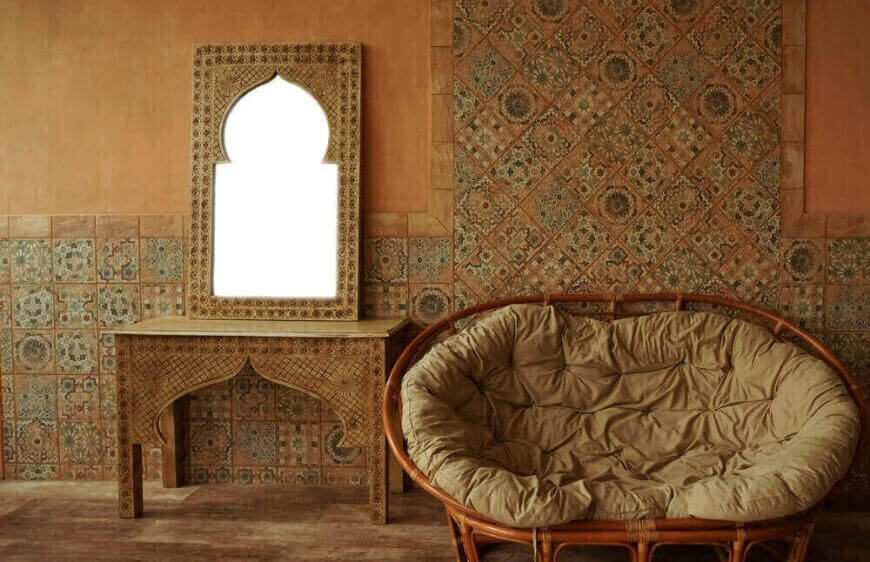
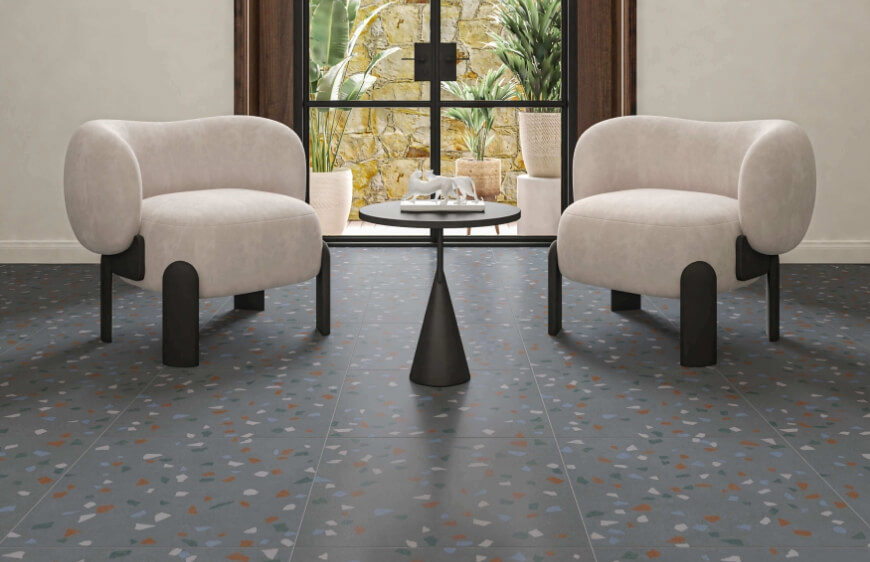
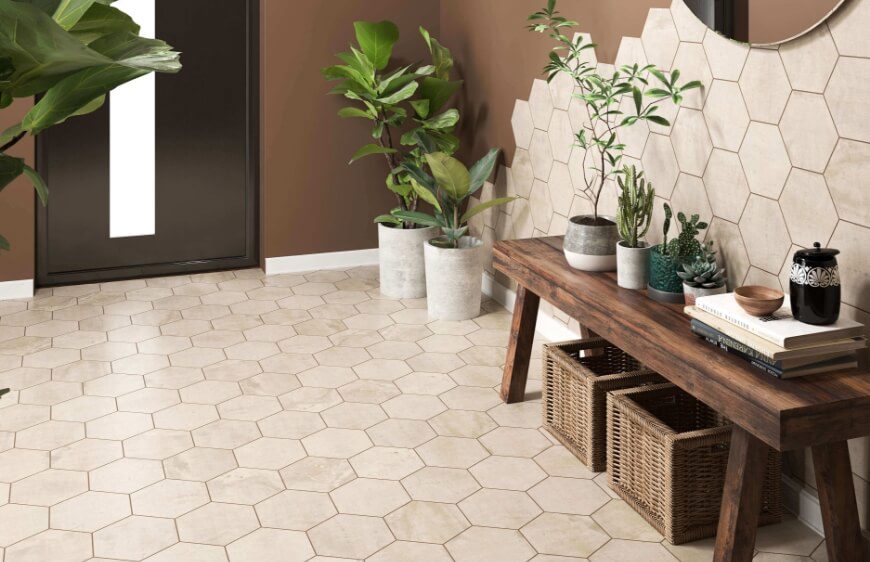
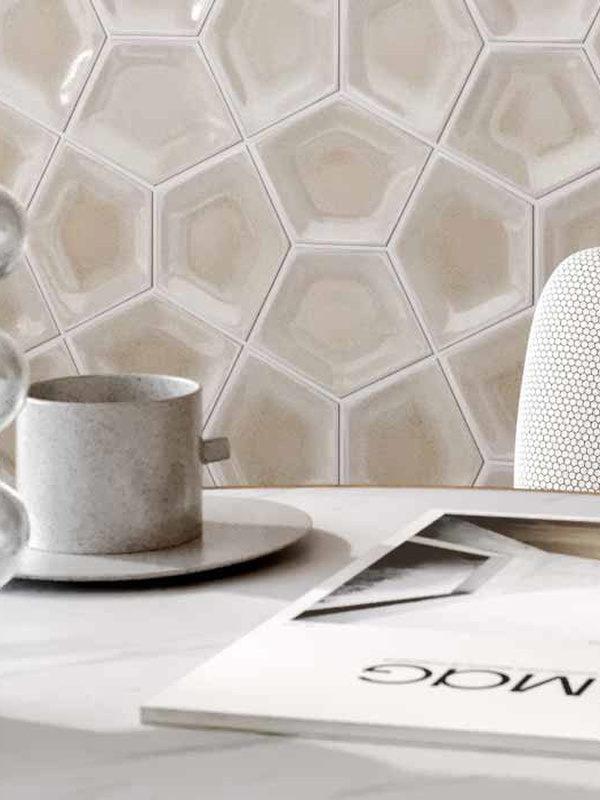
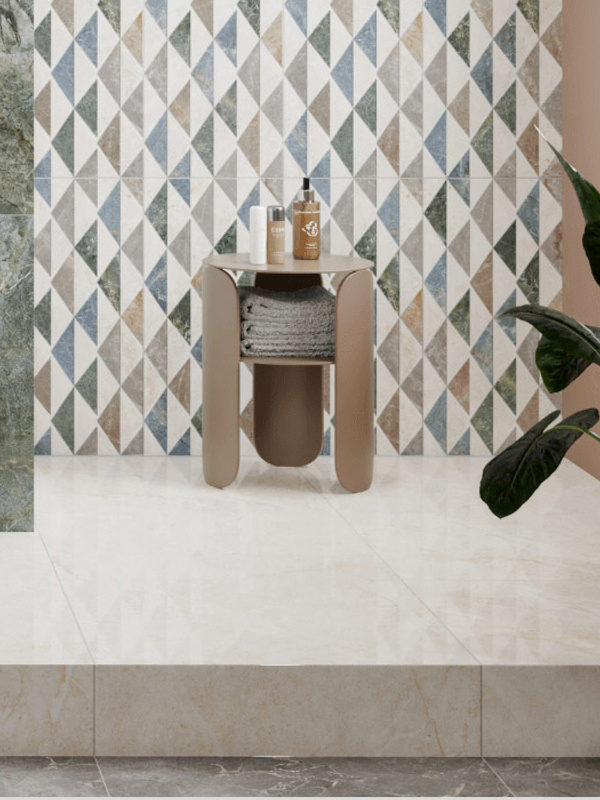
Colonial-style flooring has an authentic character, as the first homes in this style emerged in places such as Morocco, the Far East and India. Traditional patterned tiles, terrazzo, herringbone parquet and hexagonal tiles can therefore complement the look. If colonial decoration appeals to you, explore Çanakkale Seramik's Pera and Ornament collections for traditional tile patterns; Kalebodur's Uddo and Artwood collections for wood aesthetics that can be laid in a chevron pattern; the Terrazzo Macro collection; and the Hexagon collection, which combines hexagonal forms with traditional tile-inspired patterns.

Mekanınızı yapay zeka ile birkaç saniyede yenileyin!

Mekanınızı yapay zeka ile birkaç saniyede yenileyin!

Seçtiğiniz ürünü evinizde görün.

Evinde Gör

Banyonuzu yeniden tasarlamaya ne dersiniz?

Banyoda Gör

Blog

Explore All

Compare

Compare
Compare